DePINs 2026: Web3 Opportunities for U.S. Investors
Decentralized Physical Infrastructure Networks (DePINs) represent a significant Web3 innovation, offering U.S. investors time-sensitive opportunities in 2026 through high-growth projects that decentralize real-world services and assets.
The landscape of digital finance and technology is continuously evolving, presenting novel avenues for investment and innovation. Among the most compelling developments are the emerging Web3 Innovations: Time-Sensitive Opportunities in Decentralized Physical Infrastructure Networks (DePINs) for U.S. Investors – A Look at 4 High-Growth Projects for 2026. These networks are poised to redefine how we interact with physical infrastructure, offering unprecedented decentralization and efficiency. This article delves into the potential of DePINs, highlighting their unique value proposition for investors in the United States seeking high-growth opportunities within the Web3 ecosystem by 2026.
Understanding Decentralized Physical Infrastructure Networks (DePINs)
Decentralized Physical Infrastructure Networks, or DePINs, are a revolutionary concept that merges the tangible world of physical infrastructure with the digital realm of Web3. They leverage blockchain technology to incentivize individuals and organizations to build, maintain, and operate real-world infrastructure, such as wireless networks, energy grids, and data storage facilities. This decentralized approach contrasts sharply with traditional centralized models, promising greater resilience, efficiency, and accessibility.
The core idea behind DePINs is to distribute the ownership and operation of infrastructure among a large network of participants, rather than concentrating it in the hands of a few corporations. This not only democratizes access but also creates a more robust and censorship-resistant system. For U.S. investors, understanding this paradigm shift is crucial, as it unlocks new investment classes with significant long-term growth potential.
The Mechanics of DePINs: Incentivizing Participation
At the heart of every DePIN project lies a sophisticated incentive mechanism, typically powered by cryptocurrencies or native tokens. These tokens reward participants for contributing resources, whether it’s providing internet access, sharing computing power, or operating sensors. This creates a self-sustaining ecosystem where the network’s growth directly benefits its contributors.
- Token Rewards: Participants earn tokens for providing and maintaining infrastructure services.
- Community Governance: Token holders often have a say in the network’s development and future direction.
- Scalability: The decentralized nature allows for rapid expansion without a single point of failure.
The economic models of DePINs are designed to align incentives, ensuring that the network grows and improves over time. This alignment between individual contribution and collective benefit is a powerful driver for adoption and expansion, making DePINs a compelling area for Web3 Innovations: Time-Sensitive Opportunities in Decentralized Physical Infrastructure Networks (DePINs) for U.S. Investors – A Look at 4 High-Growth Projects for 2026.
In conclusion, DePINs represent a fundamental shift in how physical infrastructure is developed and managed. By decentralizing these essential services, they offer a more democratic, efficient, and resilient alternative to traditional models. This innovative approach presents a unique investment thesis for those looking to capitalize on the convergence of blockchain and real-world assets.
Why U.S. Investors Should Consider DePINs in 2026
For U.S. investors, the year 2026 is shaping up to be a pivotal moment for DePINs. Several factors converge to create a time-sensitive window of opportunity, driven by technological maturity, increasing regulatory clarity, and a growing demand for decentralized services. The maturity of blockchain infrastructure, coupled with advancements in hardware and software, makes DePINs more viable and scalable than ever before.
Furthermore, regulatory bodies in the U.S. are gradually developing frameworks that could provide greater certainty for Web3 projects, including DePINs. This clarity is essential for institutional investors and will likely attract significant capital into the sector. Early adoption and strategic investments in well-vetted projects could yield substantial returns as these networks gain mainstream traction.
Factors Driving DePIN Growth in the U.S.
Several key trends are fueling the expansion of DePINs within the United States, creating a fertile ground for investment. These include a push towards sustainable and resilient infrastructure, the increasing demand for secure and private data solutions, and the desire for more equitable access to essential services.
- Infrastructure Modernization: The U.S. is heavily investing in upgrading its aging infrastructure, and DePINs offer a decentralized, cost-effective solution.
- Data Sovereignty: Growing concerns over data privacy and security make decentralized data networks highly attractive.
- Community Empowerment: DePINs empower local communities to build and own their infrastructure, fostering economic growth.
The confluence of these factors positions DePINs as a critical component of future economic and technological development. Investors who recognize these underlying drivers will be well-placed to capitalize on the growth of Web3 Innovations: Time-Sensitive Opportunities in Decentralized Physical Infrastructure Networks (DePINs) for U.S. Investors – A Look at 4 High-Growth Projects for 2026.
In summary, the strategic timing for U.S. investors to engage with DePINs in 2026 is underscored by technological readiness, evolving regulatory landscapes, and strong market demand. These elements collectively create an environment ripe for significant investment and innovation within the decentralized physical infrastructure sector.
Evaluating DePIN Projects: Key Metrics for Success
Identifying high-growth DePIN projects requires a meticulous approach, focusing on several critical metrics that indicate long-term viability and potential for appreciation. Beyond mere market capitalization, investors should delve into the fundamental aspects of each project, including its technology, community, economic model, and real-world utility. A comprehensive evaluation helps differentiate sustainable ventures from speculative plays.
The success of a DePIN project hinges on its ability to deliver tangible value and attract a robust network of participants. This involves assessing the quality of its underlying infrastructure, the strength of its development team, and the clarity of its roadmap. For U.S. investors, due diligence is paramount to navigate the complexities of this nascent yet promising sector effectively.
Essential Criteria for Investment Decisions
When evaluating DePIN projects, several factors stand out as crucial indicators of potential success. These criteria help in understanding the project’s foundational strength and its capacity for future growth, enabling informed investment choices.
- Technological Innovation: Assess the uniqueness and effectiveness of the blockchain solution and hardware integration.
- Tokenomics and Incentives: Examine the sustainability of the token distribution and reward mechanisms.
- Community and Adoption: A strong, active community signals healthy growth and network effect.
- Real-World Utility: The project must address a genuine need or solve a significant problem in the physical world.
- Team and Partnerships: The expertise of the core team and strategic alliances are vital for execution.
These metrics provide a framework for U.S. investors to analyze the potential of various DePIN projects. By rigorously applying these criteria, investors can identify opportunities that align with their risk tolerance and investment objectives within Web3 Innovations: Time-Sensitive Opportunities in Decentralized Physical Infrastructure Networks (DePINs) for U.S. Investors – A Look at 4 High-Growth Projects for 2026.
In conclusion, a thorough evaluation of DePIN projects involves looking beyond superficial metrics to understand their core technological, economic, and community strengths. This analytical approach is essential for U.S. investors seeking to make sound decisions in this rapidly evolving space.
Project Spotlight: 4 High-Growth DePINs for 2026
As we approach 2026, several DePIN projects are demonstrating significant potential for U.S. investors. These projects stand out due to their innovative approaches, strong community backing, and clear pathways to real-world adoption. While all investments carry risk, these four projects exemplify the kind of forward-thinking Web3 Innovations: Time-Sensitive Opportunities in Decentralized Physical Infrastructure Networks (DePINs) for U.S. Investors – A Look at 4 High-Growth Projects for 2026.
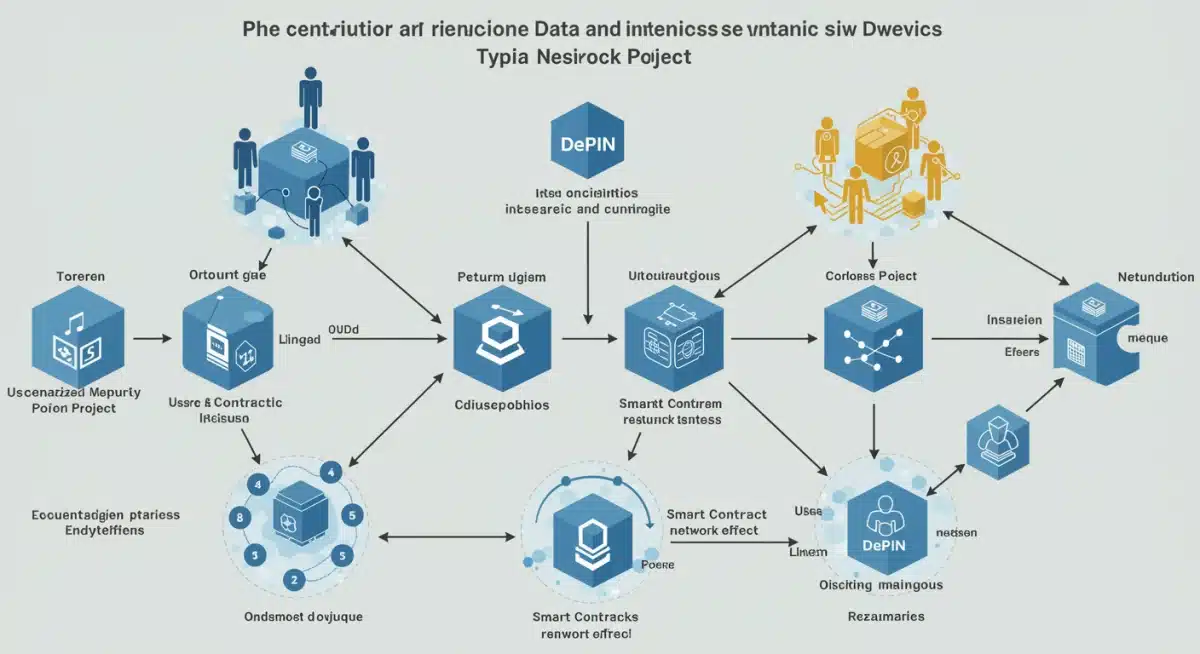
1. Project A: Decentralized Wireless Connectivity
Project A aims to build a global, decentralized wireless network, allowing individuals to own and operate their own hotspots. This approach significantly reduces the cost of internet access and expands coverage in underserved areas across the U.S. Its tokenomics are designed to reward operators based on network usage and coverage, creating a powerful incentive for expansion. The project has seen rapid adoption, particularly in urban centers and rural communities seeking alternative internet solutions.
2. Project B: Sovereign Data Storage and Retrieval
Project B focuses on creating a decentralized network for secure data storage and retrieval. It offers an alternative to centralized cloud providers, giving users complete control over their data with enhanced privacy and censorship resistance. The project’s innovative encryption methods and distributed architecture make it highly appealing for businesses and individuals concerned about data sovereignty. Its growth trajectory is tied to increasing demand for secure, private digital infrastructure.
3. Project C: Renewable Energy Microgrids
Project C is pioneering decentralized energy networks, enabling communities to share and trade renewable energy directly. This project leverages blockchain to manage energy transactions and incentivize local energy production, fostering sustainable practices and reducing reliance on traditional grids. For U.S. investors, Project C offers exposure to both the Web3 and renewable energy sectors, making it a dual-growth opportunity. Its focus on energy independence resonates strongly with current environmental and economic trends.
4. Project D: Decentralized Sensor Networks for Smart Cities
Project D is building a network of decentralized sensors to collect real-time environmental and urban data for smart city initiatives. These sensors monitor air quality, traffic patterns, and other crucial metrics, providing invaluable data for urban planning and public services. The project’s token incentivizes individuals to deploy and maintain these sensors, creating a comprehensive and resilient data layer for smart cities. Its applications range from traffic management to disaster preparedness, offering broad utility and growth potential.
These four projects represent diverse applications of DePIN technology, each addressing a critical need within the physical world through decentralized means. Their potential for growth makes them compelling considerations for U.S. investors looking at Web3 Innovations: Time-Sensitive Opportunities in Decentralized Physical Infrastructure Networks (DePINs) for U.S. Investors – A Look at 4 High-Growth Projects for 2026.
In conclusion, the projects highlighted here showcase the breadth and depth of DePIN innovation. By offering real-world solutions through decentralized frameworks, they present unique and potentially lucrative investment opportunities for U.S. investors in the coming years.
Challenges and Risks in DePIN Investments
While the potential for DePINs is immense, U.S. investors must also be aware of the inherent challenges and risks associated with these nascent Web3 innovations. Like any emerging technology sector, DePINs face hurdles related to technological maturity, regulatory uncertainty, market volatility, and the complexities of real-world integration. A balanced perspective is essential to navigating these opportunities effectively.
Understanding these challenges is not about deterring investment but about fostering informed decision-making. Investors should conduct thorough due diligence and consider the broader market dynamics that could impact the performance of DePIN projects. Mitigating risks often involves diversifying portfolios and staying updated on regulatory developments.
Navigating the DePIN Landscape
Investing in DePINs requires a nuanced understanding of potential pitfalls. Addressing these proactively can help investors minimize exposure to adverse outcomes and capitalize on the sector’s growth.
- Technological Hurdles: Ensuring the scalability and security of decentralized physical networks remains a complex task.
- Regulatory Ambiguity: The evolving regulatory landscape in the U.S. can create uncertainty for token classifications and operational models.
- Market Volatility: Cryptocurrency markets are known for their high volatility, which can impact the value of DePIN tokens.
- Adoption Barriers: Convincing mainstream users and traditional industries to adopt decentralized infrastructure can be slow.
- Competition: The sector is becoming increasingly competitive, requiring projects to continuously innovate and differentiate.
These challenges underscore the importance of selecting projects with strong fundamentals, clear roadmaps, and experienced teams. For U.S. investors, a cautious yet optimistic approach to Web3 Innovations: Time-Sensitive Opportunities in Decentralized Physical Infrastructure Networks (DePINs) for U.S. Investors – A Look at 4 High-Growth Projects for 2026 is advisable.
In conclusion, while DePINs offer significant upside, they are not without risks. Investors must carefully assess these challenges and integrate them into their investment strategy to make informed and resilient choices within this innovative Web3 sector.
The Future Outlook for DePINs and Web3 Integration
The long-term outlook for Decentralized Physical Infrastructure Networks (DePINs) is overwhelmingly positive, with projections indicating a substantial increase in their integration into mainstream Web3 ecosystems and real-world economies. As blockchain technology matures and practical applications become more prevalent, DePINs are expected to play a crucial role in building a more decentralized, efficient, and equitable future. This future involves seamless interoperability between various DePINs and other Web3 components like DeFi, NFTs, and the metaverse.
The U.S. market, with its robust technological infrastructure and innovative spirit, is particularly well-positioned to drive the adoption and growth of DePINs. Government initiatives, private sector investments, and growing public awareness are all contributing to a fertile environment for these networks to flourish. The increasing demand for sustainable and resilient infrastructure further solidifies the long-term relevance of DePINs.
Synergies with Broader Web3 Ecosystem
The true power of DePINs will be unlocked through their integration with the wider Web3 ecosystem. This synergy will create new opportunities and enhance the utility of decentralized services, driving further innovation and adoption.
- DeFi Integration: DePIN assets can be tokenized and used as collateral in decentralized finance protocols.
- Metaverse Applications: DePINs can provide the underlying physical infrastructure for virtual worlds and augmented reality experiences.
- NFTs for Ownership: Non-fungible tokens could represent ownership or usage rights of physical infrastructure components within DePINs.
- Cross-Chain Interoperability: Seamless communication between different blockchain networks will enhance the functionality and reach of DePINs.
These integrations suggest a future where physical and digital realms are deeply intertwined, with DePINs forming the backbone of this new decentralized reality. For U.S. investors, understanding these broader trends is key to identifying the most impactful Web3 Innovations: Time-Sensitive Opportunities in Decentralized Physical Infrastructure Networks (DePINs) for U.S. Investors – A Look at 4 High-Growth Projects for 2026.
In conclusion, the future of DePINs is bright, characterized by increasing integration with the broader Web3 ecosystem and a growing impact on real-world infrastructure. This evolution promises significant opportunities for those who invest strategically in this transformative technology.
| Key Aspect | Brief Description |
|---|---|
| DePINs Definition | Decentralized Physical Infrastructure Networks leveraging blockchain for real-world services. |
| U.S. Investor Opportunity | Time-sensitive window in 2026 due to tech maturity and regulatory clarity. |
| Key Evaluation Metrics | Technological innovation, tokenomics, community, real-world utility, and team. |
| Future Outlook | Strong growth and integration with broader Web3 ecosystem. |
Frequently Asked Questions About DePINs
DePINs (Decentralized Physical Infrastructure Networks) use blockchain to incentivize individuals to build and maintain real-world infrastructure like wireless networks or energy grids. Participants earn crypto tokens for contributing resources, fostering a decentralized and community-owned approach to essential services, contrasting with traditional centralized models.
2026 presents a unique window due to maturing blockchain technology, increasing regulatory clarity in the U.S., and growing demand for decentralized services. Early investment now could position U.S. investors to capitalize significantly as these networks gain mainstream adoption and institutional interest, offering substantial returns.
Investors should assess technological innovation, tokenomics sustainability, community strength, real-world utility, and the experience of the development team. These factors indicate a project’s long-term viability and potential for growth, helping to differentiate robust projects from speculative ventures in the DePIN space.
Key risks include technological hurdles, regulatory uncertainty, high market volatility typical of crypto assets, and potential barriers to widespread adoption. Investors should conduct thorough due diligence and diversify their portfolios to mitigate these risks while exploring the significant opportunities DePINs offer.
DePINs integrate by tokenizing physical assets for DeFi, providing infrastructure for the metaverse, using NFTs for ownership, and enabling cross-chain interoperability. This synergy creates new use cases and enhances the utility of decentralized services, forming a critical backbone for the evolving Web3 landscape.
Conclusion
The emergence of Decentralized Physical Infrastructure Networks (DePINs) marks a significant inflection point in the Web3 landscape, offering compelling and time-sensitive opportunities for U.S. investors by 2026. These networks, by decentralizing essential physical services, promise to deliver unprecedented efficiency, resilience, and accessibility. While challenges and risks are inherent in any nascent technology, the strategic alignment of technological maturity, growing regulatory clarity, and a strong market demand paints a promising picture for DePINs. Astute investors who conduct thorough due diligence and strategically position themselves within these innovative projects stand to gain significantly from the transformative power of decentralized physical infrastructure. The future of Web3 is increasingly intertwined with the real world, and DePINs are at the forefront of this exciting evolution.