Unlock 15% Annual Yields: Altcoin Staking for US Investors 2025
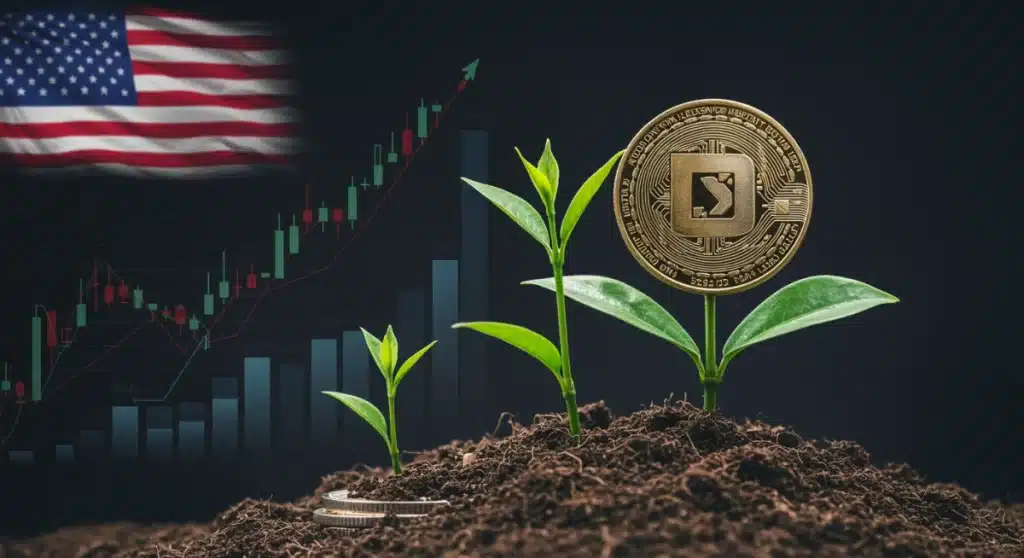
Achieving 15% annual yields through altcoin staking in 2025 is a realistic goal for US investors, provided they understand the market, manage risks, and navigate regulatory landscapes effectively. This guide outlines essential strategies for maximizing returns.
For US investors seeking significant returns in the evolving digital asset landscape, Unlocking 15% Annual Yields: An Altcoin Staking Guide for US Investors in 2025 offers a compelling pathway. This guide delves into the mechanisms, opportunities, and crucial considerations for leveraging altcoin staking to potentially achieve substantial passive income.
understanding altcoin staking
Altcoin staking has emerged as a cornerstone of the decentralized finance (DeFi) ecosystem, offering participants the chance to earn rewards by holding and locking up their cryptocurrency assets. This process is integral to the security and operation of Proof-of-Stake (PoS) blockchains, where stakers validate transactions and maintain network integrity.
Unlike traditional mining, which requires significant computational power, staking is more energy-efficient and accessible. It allows investors to contribute to the network’s stability while earning a yield, often surpassing returns available in conventional financial markets. The appeal for US investors lies in the potential for high annual percentage yields (APYs), which can be particularly attractive in a low-interest-rate environment.
how proof-of-stake works
Proof-of-Stake (PoS) is a consensus mechanism where participants lock up their cryptocurrency as collateral to validate new blocks on the blockchain. This process replaces the energy-intensive Proof-of-Work (PoW) model used by Bitcoin. Validators are chosen based on the amount of cryptocurrency they stake and their reputation within the network.
- Validators: Nodes that propose and validate new blocks.
- Delegators: Holders who entrust their tokens to a validator, sharing in the rewards.
- Slashing: Penalties for validators who act maliciously or are offline.
The rewards for staking typically come from transaction fees and newly minted tokens. These incentives encourage active participation and secure the network against attacks. Understanding these mechanics is crucial for any investor looking to engage in altcoin staking, especially those aiming for specific yield targets.
In essence, altcoin staking provides a symbiotic relationship: investors earn passive income, and the blockchain network gains enhanced security and decentralization. This foundational understanding is key to navigating the opportunities available in 2025.
identifying high-yield altcoins for 2025
The altcoin market is dynamic, with new projects constantly emerging and established ones evolving. For US investors targeting 15% annual yields in 2025, careful research and selection of altcoins are paramount. Not all altcoins offer staking, and among those that do, yields can vary significantly based on network demand, tokenomics, and inflation rates.
Focusing on projects with strong fundamentals, active development teams, and robust community support can mitigate some of the inherent risks. Additionally, understanding the project’s long-term vision and its utility within the broader crypto ecosystem is vital for sustainable staking returns.
key selection criteria
When evaluating altcoins for staking, several factors should guide your decision-making process. These criteria help in identifying projects that are more likely to offer stable and high yields.
- Market Capitalization: Projects with a reasonable market cap tend to be more stable.
- Developer Activity: Consistent updates and improvements indicate a healthy project.
- Community Engagement: A strong, active community is a sign of long-term viability.
- Tokenomics: Analyze inflation rates, supply schedules, and reward distribution mechanisms.
Beyond these, consider the specific staking mechanics of each altcoin. Some may require a minimum stake, while others might have lock-up periods or unbonding times that affect liquidity. Diversifying across several promising altcoins can also spread risk and potentially stabilize overall returns, moving closer to the 15% target.
Thorough due diligence is not just a recommendation; it’s a necessity for successful altcoin staking. The landscape of 2025 will reward informed decisions, allowing US investors to capitalize on emerging opportunities.
regulatory landscape for US investors
Navigating the regulatory environment is perhaps the most critical aspect for US investors engaging in altcoin staking. The regulatory stance on cryptocurrencies in the United States is still evolving, with various government agencies asserting jurisdiction. Understanding these regulations is essential to ensure compliance and protect investments.
The Securities and Exchange Commission (SEC) and the Commodity Futures Trading Commission (CFTC) are key players, along with the IRS, which treats cryptocurrencies as property for tax purposes. Staking rewards are generally considered taxable income, and accurate record-keeping is crucial for reporting.
tax implications of staking rewards
For US investors, the tax treatment of staking rewards is a complex but unavoidable consideration. The IRS views staking rewards as income at the time they are received, based on their fair market value in US dollars.
- Income Tax: Rewards are typically taxed as ordinary income.
- Capital Gains Tax: If the staked altcoin appreciates in value after being received as a reward and is later sold, it may be subject to capital gains tax.
- Record Keeping: Meticulous records of all staking activities, including dates, amounts, and USD value at the time of receipt, are vital.
It is advisable for US investors to consult with a tax professional experienced in cryptocurrency to ensure full compliance with current tax laws. The regulatory landscape is prone to changes, and staying informed is a continuous process. Compliance is not just about avoiding penalties; it’s about safeguarding your investment strategy in the long run.
Awareness of these regulatory nuances will empower US investors to make informed decisions and build a compliant and profitable altcoin staking portfolio in 2025.
mitigating risks in altcoin staking
While the prospect of 15% annual yields is appealing, altcoin staking is not without its risks. Understanding and actively mitigating these risks is crucial for preserving capital and achieving sustainable returns. The volatile nature of altcoins, smart contract vulnerabilities, and potential slashing penalties all contribute to the risk profile.
A balanced approach involves thorough research, diversification, and staying updated on the security practices of the platforms and projects you choose to engage with. Diligence in these areas can significantly reduce exposure to potential losses.
common staking risks and solutions
Investors must be aware of several risks inherent to altcoin staking to protect their assets effectively. Proactive measures can help to minimize these potential downsides.
- Price Volatility: The value of altcoins can fluctuate dramatically. Diversify your portfolio across different assets to spread risk.
- Smart Contract Risk: Vulnerabilities in smart contracts can lead to loss of funds. Choose reputable projects with audited code.
- Slashing Penalties: Validators can be penalized for downtime or malicious behavior. Select reliable validators with a proven track record.
- Liquidity Risk: Locked-up tokens may not be accessible immediately. Understand lock-up periods and unbonding times.
Employing strategies such as dollar-cost averaging when acquiring altcoins, regularly monitoring staked assets, and using cold storage wallets for unstaked portions can further enhance security. Furthermore, staying informed about market trends and project developments helps in making timely adjustments to your staking strategy.
Risk mitigation is an ongoing process that requires continuous attention and adaptation. By implementing robust risk management strategies, US investors can confidently pursue high yields in altcoin staking.
choosing the right staking platform or service
For US investors, selecting a reliable staking platform or service is as important as choosing the right altcoins. The platform acts as the intermediary between your assets and the blockchain network, influencing ease of use, security, and the actual yield you receive. Various options exist, from centralized exchanges to decentralized staking pools and self-custody solutions.
Each option presents a different balance of convenience, control, and risk. Evaluating these choices based on your personal risk tolerance, technical expertise, and investment goals is essential for a successful staking experience.
types of staking solutions
The market offers a range of staking solutions, each with distinct features and benefits. Understanding these options helps in making an informed decision.
- Centralized Exchanges: Offer user-friendly interfaces and often manage the technical complexities of staking. Examples include Coinbase, Kraken, and Binance.
- Decentralized Staking Pools: Allow users to combine their assets to meet minimum staking requirements, often offering more control than centralized exchanges.
- Self-Custody Staking: Involves running your own validator node, providing maximum control but requiring significant technical knowledge and hardware.
When choosing a platform, consider factors such as security measures, fee structures, customer support, and the range of altcoins supported for staking. For US investors, it is also crucial to ensure the platform operates compliantly within US regulations. Some platforms may have geographical restrictions, so verify availability in your state.
Ultimately, the best staking platform is one that aligns with your individual needs, offers robust security, competitive yields, and a clear understanding of its operational framework.
maximizing yields and future outlook for 2025
Achieving and sustaining a 15% annual yield through altcoin staking in 2025 requires more than just initial investment; it demands continuous optimization and an understanding of market dynamics. Strategies like yield farming, re-staking rewards, and participating in liquid staking protocols can further enhance returns, but they also introduce additional complexities and risks.
The future of altcoin staking looks promising, with ongoing innovations in DeFi and the broader Web3 space. As more blockchains transition to PoS and as regulatory clarity improves, the opportunities for US investors are set to expand.
advanced yield optimization strategies
Beyond basic staking, several advanced strategies can help US investors push towards higher yields, albeit with increased risk. These methods leverage different aspects of the DeFi ecosystem.
- Yield Farming: Providing liquidity to decentralized exchanges (DEXs) in exchange for fees and governance tokens.
- Liquid Staking: Staking assets while retaining liquidity through a derivative token, which can then be used in other DeFi protocols.
- Compounding Rewards: Regularly re-staking earned rewards to benefit from compound interest.
However, these strategies come with heightened risks, including impermanent loss in yield farming, smart contract vulnerabilities in liquid staking, and increased exposure to market volatility. A thorough understanding of these risks and a well-thought-out diversification strategy are crucial for successful implementation.
The outlook for 2025 suggests a maturing market with greater institutional adoption and clearer regulatory frameworks. Staying ahead of these developments, continuously educating oneself, and adapting strategies will be key to unlocking significant yields for US investors in the exciting world of altcoin staking.
| Key Aspect | Brief Description |
|---|---|
| Staking Fundamentals | Earn rewards by locking altcoins to secure PoS networks; more accessible than mining. |
| Altcoin Selection | Focus on strong fundamentals, active development, and robust tokenomics for stable yields. |
| US Regulations & Taxes | Staking rewards are taxable income; meticulous record-keeping and professional advice are vital. |
| Risk Management | Diversify, choose audited projects, select reliable validators, and understand liquidity constraints. |
frequently asked questions about altcoin staking
Altcoin staking involves locking up your cryptocurrency holdings on a Proof-of-Stake (PoS) blockchain to support network operations. In return, you earn rewards, typically in the form of additional tokens or transaction fees, as a passive income stream. This process helps secure and decentralize the network.
Yes, in the United States, staking rewards are generally considered taxable income by the IRS. They are typically taxed as ordinary income based on their fair market value in USD at the time of receipt. It is crucial to maintain detailed records and consult a tax professional.
Key risks include price volatility of the staked asset, smart contract vulnerabilities, slashing penalties for validator misconduct, and liquidity risk due to lock-up periods. Diversification, thorough research, and choosing reputable platforms can help mitigate these risks effectively.
Achieving 15% annual yields requires a combination of selecting high-yield altcoins with strong fundamentals, actively managing your portfolio, and potentially exploring advanced strategies like yield farming or liquid staking. Continuous market research and risk management are essential for success.
US investors can choose from various platforms, including centralized exchanges like Coinbase and Kraken, or decentralized staking pools. It’s vital to select platforms that are compliant with US regulations, offer robust security, and support the altcoins you wish to stake.
conclusion
The journey to unlocking 15% annual yields through altcoin staking for US investors in 2025 is both promising and challenging. It demands a comprehensive understanding of staking mechanisms, meticulous research into high-potential altcoins, diligent navigation of the evolving regulatory and tax landscape, and a proactive approach to risk management. By embracing these principles, US investors can strategically position themselves to capitalize on the growth of the Proof-of-Stake ecosystem and potentially achieve significant passive income, contributing to the security and decentralization of the next generation of blockchain networks.