Smart contracts transforming business transactions online

Smart contracts transform business transactions online by automating agreements on blockchain, enhancing security, transparency, and efficiency while eliminating the need for intermediaries.
Smart contracts transforming business transactions online are increasingly becoming a game-changer in the digital economy. Have you ever wondered how automated agreements could streamline your business operations? Let’s dive in.
Understanding smart contracts and their functionality
Understanding smart contracts is essential for anyone interested in how technology is reshaping business transactions. These digital agreements run on blockchain technology and execute automatically when certain conditions are met. Imagine a world where contracts are self-enforcing, reducing the need for intermediaries.
How Smart Contracts Work
At their core, smart contracts are little computer programs. They are stored on the blockchain and ensure that all parties uphold their end of an agreement. This setup minimizes the risk of fraud and enhances accountability.
Key Features of Smart Contracts
- Automation: Once the conditions are set, they operate without human intervention.
- Transparency: All participants can see the contract’s terms and the execution process.
- Security: Blockchain technology ensures data integrity and prevents tampering.
- Cost-Efficiency: Reduces costs associated with traditional contract management.
The combination of these features makes smart contracts very appealing. Instead of relying on a third party, businesses can save both time and resources. Imagine being able to close deals instantly without having to go through lengthy processes!
Moreover, smart contracts can operate across various industries. They can be used in finance for transactions, in real estate for property sales, or in supply chain management for tracking goods. This versatility proves that the potential applications are only limited by our imagination.
As we explore the functionality of smart contracts, it’s evident they not only boost efficiency but also create more secure transaction environments. For businesses aiming to streamline operations, understanding these contracts is a significant step forward.
How smart contracts enhance security in transactions
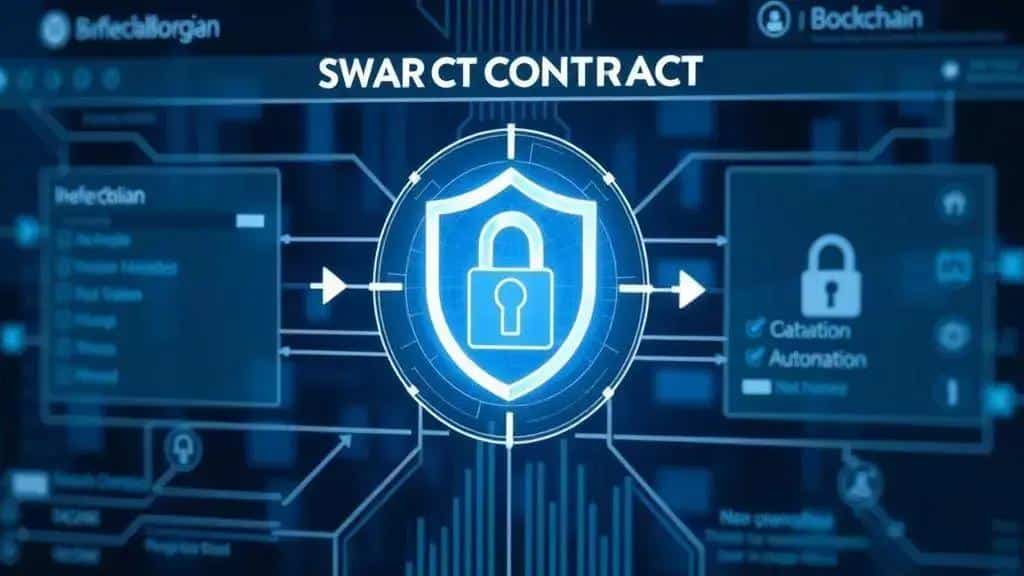
Smart contracts play a crucial role in enhancing security in transactions. These digital agreements eliminate the need for intermediaries, which often introduce potential vulnerabilities. When using smart contracts, every transaction is recorded on a blockchain, making it nearly impossible to alter once completed.
Key Security Features
One of the standout features of smart contracts is their transparency. All parties involved can view the contract and its terms, allowing for trust without the need for a third party. This transparency helps to mitigate risks associated with fraud or miscommunication.
Decentralization and Data Integrity
- Decentralization: Since smart contracts run on a blockchain, there is no central authority to manipulate the data.
- Data Integrity: The use of cryptographic algorithms ensures that once a contract is executed, the information is secure and cannot be tampered with.
- Reduced Human Error: Automating the contract’s execution diminishes the chances of mistakes that can happen during manual processing.
- Auditability: The blockchain records the history of the transaction, allowing for easy auditing whenever required.
In addition to these features, smart contracts operate automatically when the terms are met. This automation not only speeds up the process but also enhances security by ensuring the agreed conditions trigger the contract without any human intervention. Imagine being able to complete a transaction confidently, knowing both parties must adhere to the contract.
Moreover, the implementation of smart contracts can provide significant legal advantages. In many jurisdictions, smart contracts are recognized legally, giving them a level of legitimacy that can be highly advantageous in disputes. Their clear, executable nature simplifies legal interpretations when issues arise, thereby reducing the potential for conflicts.
Real-world applications of smart contracts
Real-world applications of smart contracts are transforming various industries by enhancing efficiency and trust. These digital contracts execute automatically when pre-defined conditions are met. This automation is revolutionizing how businesses operate.
Financial Services
In the financial sector, smart contracts are used for automating transactions. They can facilitate loans, ensure timely payments, and track the flow of funds securely. This eliminates the need for manual intervention, reducing errors and processing time significantly.
Real Estate Transactions
- Property Transfers: Smart contracts streamline property sales by securely transferring ownership once conditions are fulfilled.
- Escrow Services: They can function as an escrow, ensuring funds are only released when both parties meet the terms.
- Rental Agreements: Automated rental contracts can manage deposits and payment schedules, adding security for landlords and tenants.
Smart contracts also find applications in supply chain management. They help track products from the manufacturer to the consumer, improving transparency and accountability. For instance, they can provide real-time updates on shipment conditions and delivery statuses. This means businesses can react swiftly to any issues that arise during transportation.
Healthcare is another area where smart contracts are making an impact. They facilitate secure sharing of patient data between healthcare providers while maintaining privacy. Patients can grant access to their medical records to different providers through a smart contract, ensuring that only authorized parties can view sensitive information.
With industries rapidly embracing smart contracts, the possibilities continue to grow. From gaming to insurance, smart contracts are paving the way for innovative solutions that improve transaction security and efficiency.
Challenges and limitations of smart contract technology
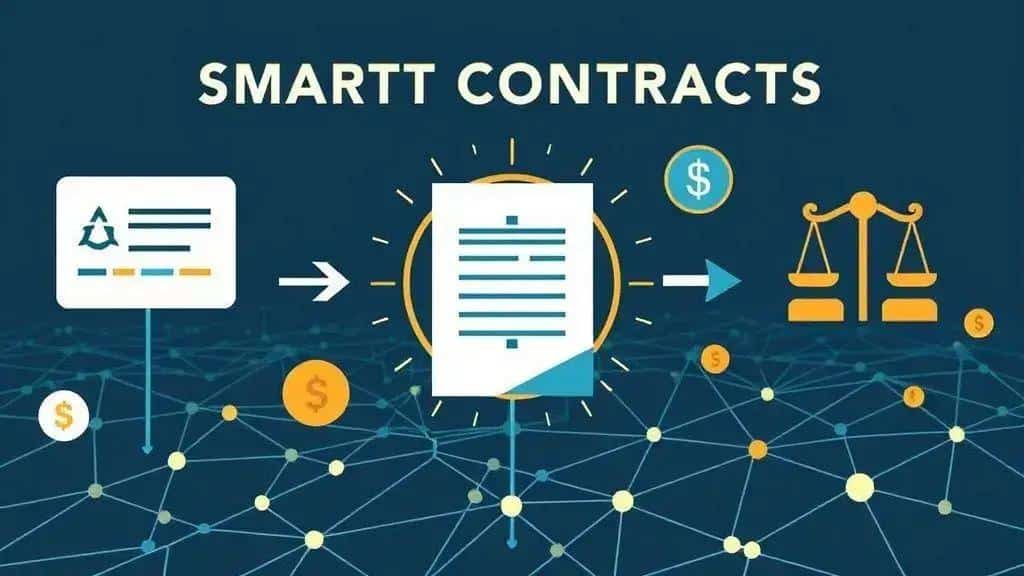
While smart contracts offer numerous benefits, they also come with challenges and limitations that must be acknowledged. One significant challenge is the complexity of programming these contracts. Creating a smart contract requires technical knowledge and an understanding of the particular blockchain platform being used.
Legal and Regulatory Issues
Another major hurdle involves legal recognition. In many jurisdictions, the legality of smart contracts is still unclear. Without clear regulations, businesses may hesitate to adopt this technology. This lack of legal framework can lead to difficulties in enforcing contracts should disputes arise.
Code Vulnerabilities and Bugs
- Code Quality: Smart contracts are only as good as the code they are built on. Poorly written contracts can contain bugs or vulnerabilities that can be exploited.
- Irreversible Transactions: Once a smart contract is executed, it cannot be reversed. This is a significant risk if an error occurs or if a party does not fulfill the agreed terms.
- Testing Difficulties: Testing smart contracts thoroughly can be challenging, as simulating all possible scenarios is often complicated.
Moreover, scalability remains an issue for many blockchain networks. As the number of transactions increases, network congestion can occur, leading to slow execution times for smart contracts. This limitation might deter businesses from using them, especially in time-sensitive situations.
Lastly, interoperability is a consideration. Different blockchains may have their own protocols, making it difficult for smart contracts to interact across platforms. This fragmentation can hinder broad adoption.
In conclusion, while smart contracts hold great promise for transforming business transactions, challenges remain. These include issues related to complexity, legal frameworks, security vulnerabilities, and scalability. It’s essential for businesses to weigh the benefits against these limitations. As the technology evolves, more solutions may emerge to address these challenges. Understanding both the advantages and the drawbacks is key to successfully adopting smart contracts in various industries.
FAQ – Frequently Asked Questions about Smart Contracts
What is a smart contract?
A smart contract is a self-executing contract with the terms of the agreement directly written into code, running on a blockchain.
How do smart contracts enhance security?
Smart contracts enhance security by eliminating intermediaries, ensuring transparency, and running on an immutable blockchain that prevents data tampering.
What are the main challenges of using smart contracts?
Challenges include legal recognition, programming complexity, potential security vulnerabilities, and scalability issues.
In which industries can smart contracts be applied?
Smart contracts can be applied in finance, real estate, supply chain management, healthcare, and many other fields, revolutionizing business processes.