Digital security strategies for protecting personal crypto assets
Digital security strategies for protecting personal crypto assets include using strong passwords, enabling multi-factor authentication, employing hardware wallets, and staying informed about evolving threats and security practices.
Digital security strategies for protecting personal crypto assets are more crucial than ever as cyber threats grow. Have you ever wondered how to keep your crypto safe? Let’s dive into effective ways to secure your digital investments.
Understanding crypto asset vulnerabilities
Understanding crypto asset vulnerabilities is crucial for anyone involved in digital currencies. With the rise in popularity of cryptocurrencies, the risks associated with them have also increased. Let’s explore some common vulnerabilities and how they can impact your assets.
Common Vulnerabilities
Many users are unaware of the various threats they face in the crypto space. Here are a few primary vulnerabilities:
- Phishing attacks: Scammers may impersonate legitimate platforms to steal your login information.
- Exchange hacks: Centralized exchanges have been targeted multiple times, leading to significant losses.
- Malware: Malicious software can be used to access your wallets without your consent.
The constant evolution of hacking techniques makes it essential for users to stay informed. Not understanding these vulnerabilities can lead to devastating financial losses.
Protecting Yourself
Recognizing these vulnerabilities is the first step towards protecting your assets. Strong passwords, two-factor authentication, and hardware wallets are effective measures you can implement.
Moreover, always keep your software updated and be wary of suspicious emails or links. Security in the crypto world relies on being proactive and informed.
Essential tools for securing cryptocurrencies
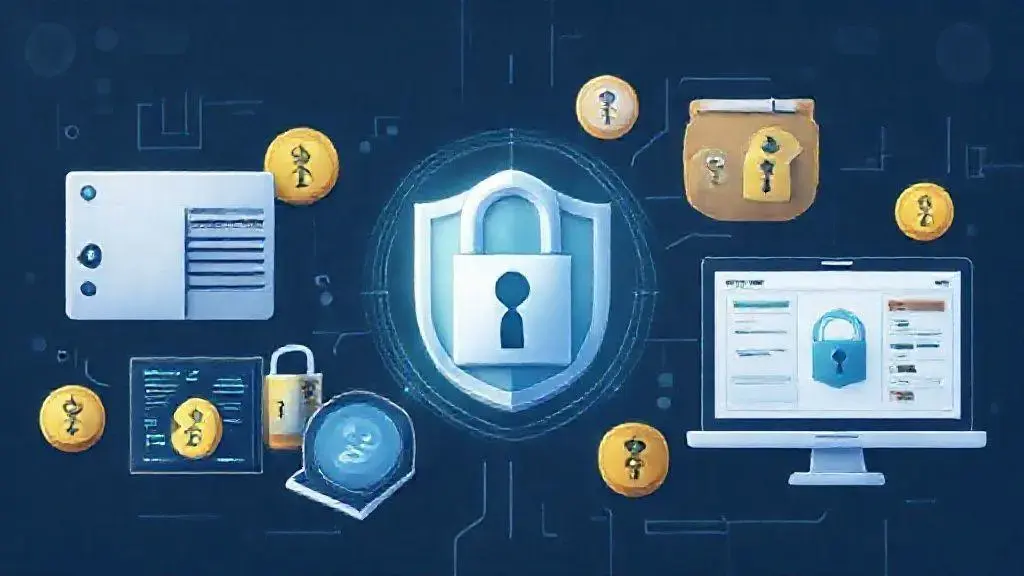
Essential tools for securing cryptocurrencies play a significant role in protecting your digital assets. Using the right tools can make a big difference in keeping your investments safe. Let’s explore some must-have tools that every crypto enthusiast should consider.
Wallet Types
The first step in securing your cryptocurrencies is choosing the right wallet. There are two main types: hot wallets and cold wallets. Hot wallets are connected to the internet, making transactions easy but less secure. Cold wallets, on the other hand, store your assets offline, providing greater protection.
- Hardware Wallets: Devices like Ledger and Trezor offer robust security against online threats.
- Software Wallets: Applications like Exodus and Electrum provide convenience with reasonable security.
- Paper Wallets: A physical printout of your keys; while secure from hacking, it requires careful handling.
Choosing the right wallet is crucial in your overall security strategy. Each type has its pros and cons, so consider your needs.
Security Software
Aside from wallets, employing security software is essential. Antivirus programs and firewalls help protect your devices from malware and hacking attempts. Keep your software updated to defend against the latest threats. Additionally, using a VPN can help secure your online activities, especially when accessing your crypto accounts from public networks.
Multi-factor authentication (MFA) is another powerful tool. Enable MFA whenever possible to add an extra layer of security. This way, even if a password is compromised, your account will remain safe.
Staying Informed
Finally, always stay informed about the latest security trends in the crypto industry. Follow reputable news sources and join community forums. Understanding threats and security measures helps you better protect your assets.
Best practices for online security
Best practices for online security are essential to protect your cryptocurrencies and personal information from potential threats. Implementing effective security measures can greatly reduce the risk of compromise.
Strong Passwords
One of the first defenses against unauthorized access is using strong passwords. A strong password should include a mix of uppercase and lowercase letters, numbers, and special characters. Avoid using easily guessed information, such as birthdays or common words. Consider using a password manager to help keep track of your passwords securely.
Enable Multi-Factor Authentication (MFA)
Applying multi-factor authentication adds an important layer of security. With MFA enabled, you’ll need to provide additional verification, like a code sent to your phone, in addition to your password. This makes it significantly harder for attackers to gain access.
Keep Software Updated
Staying updated on software patches and updates is vital. Regular updates fix vulnerabilities that hackers might exploit to compromise your accounts. Setting your devices to update automatically can help ensure you are always protected.
Be cautious with the links you click on and the downloads you accept. Phishing scams can trick you into revealing sensitive information. Always verify the sender before clicking on links in emails or messages.
Using a VPN when accessing public Wi-Fi networks can help protect your data from being intercepted. Avoid accessing important accounts when on unsecured networks.
Finally, regularly monitor your accounts for any suspicious activity. Quickly reporting any unauthorized transactions can help limit damage and secure your assets.
The role of education in crypto safety
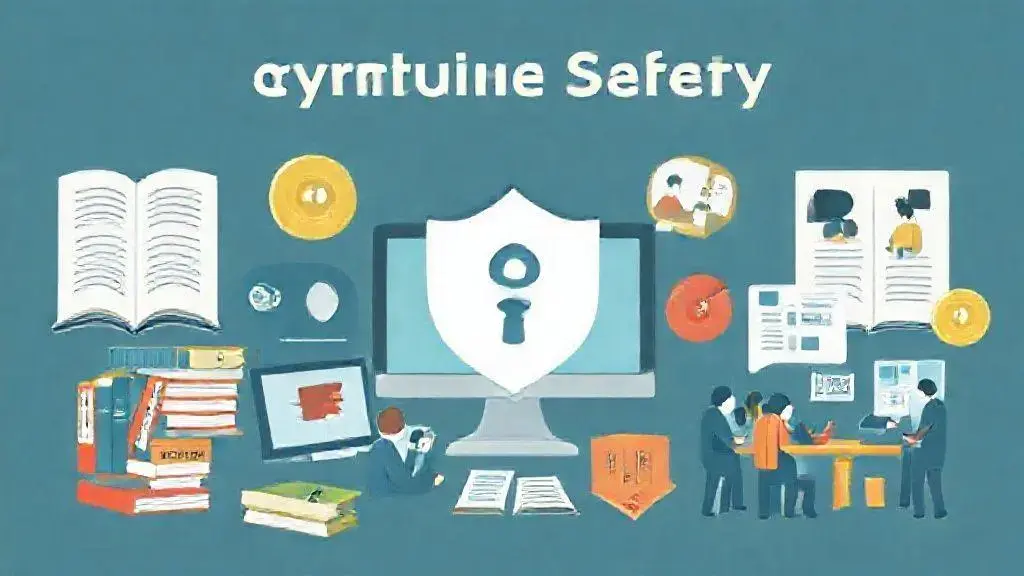
The role of education in crypto safety is vital for protecting assets in the digital world. Knowledge about security threats can empower users to make informed decisions.
Understanding Risks
Education helps individuals understand the various risks associated with cryptocurrencies. By learning about scams, hacking methods, and phishing attacks, users can recognize warning signs and avoid falling victim to these threats.
Effective Practices
Informed individuals are more likely to adopt best practices for security. Engaging in educational resources such as blogs, courses, and webinars can significantly improve one’s ability to secure their crypto assets.
- Stay Updated: Regular education ensures you stay current with evolving threats and security measures.
- Community Learning: Joining forums and community groups can provide shared experiences and tips on keeping assets safe.
- Certification Courses: Consider participating in courses related to blockchain technology and digital security.
Having access to practical knowledge about security tools and procedures can greatly enhance your overall online safety. The more you know, the better equipped you are to take action against potential threats.
Encouraging a Culture of Safety
Promoting education in your circle can create a culture of security awareness. Sharing information with friends and family about safe practices can multiply its effectiveness. Encouraging discussions about experiences or recent news related to cryptocurrency can keep the topic active and on everyone’s mind.
Ultimately, education is a powerful tool. It equips people with the necessary skills to protect their investments and ensures a safer online environment for everyone.
FAQ – Frequently Asked Questions about Protecting Crypto Assets
What are the best practices for securing my cryptocurrency investments?
Best practices include using strong passwords, enabling multi-factor authentication, and utilizing hardware wallets for storage.
How can education help in ensuring crypto safety?
Education helps users understand security risks, enabling them to recognize threats and adopt effective security measures.
Why is it important to stay updated on security trends?
Staying updated ensures you are aware of new threats and can implement the latest security measures to protect your assets.
What tools can I use to enhance my crypto security?
Essential tools include hardware wallets, antivirus software, and VPNs, which enhance your overall security posture.