Emergency Response Plan: Recovering Stolen Crypto Assets in 2026

Emergency Response Plan: A 6-Step Guide for Recovering Stolen Crypto Assets in 2026
In the rapidly evolving world of digital finance, the threat of cryptocurrency theft remains a significant concern for individuals and institutions alike. As we navigate 2026, the sophistication of cybercriminals continues to grow, making a robust and immediate emergency response plan not just advisable, but absolutely critical. Losing your hard-earned digital assets can be a devastating experience, but with the right steps taken promptly, the chances of successful recovery significantly increase. This comprehensive guide outlines a 6-step emergency response plan designed to help you navigate the complex process of how to recover stolen crypto assets, focusing on practical solutions and time-sensitive actions that can make all the difference.
The cryptocurrency market, with its decentralized nature and pseudo-anonymity, presents unique challenges and opportunities for both legitimate transactions and illicit activities. While blockchain technology offers unparalleled security in many respects, human error, phishing scams, sophisticated malware, and exchange vulnerabilities continue to be vectors for theft. Understanding these risks is the first step towards prevention, but even the most diligent users can fall victim. This guide is your lifeline when the unthinkable happens, providing a structured approach to mitigate damage and maximize your chances to recover stolen crypto.
Our focus for 2026 incorporates the latest advancements in blockchain forensics, legal frameworks, and collaborative efforts between law enforcement and crypto platforms. The landscape is ever-changing, and so too must our strategies. By following this detailed plan, you’ll be equipped with the knowledge and actionable steps required to respond effectively when your digital assets are compromised. Remember, time is of the essence in these situations, and swift action is paramount to increasing your odds of recovery and truly being able to recover stolen crypto.
Step 1: Immediate Action & Damage Control
The moment you suspect or confirm that your cryptocurrency has been stolen, panic is a natural reaction. However, succumbing to it can cost you valuable time. The very first step in your emergency response plan to recover stolen crypto is to take immediate, decisive action to mitigate further losses and gather crucial information. This phase is all about damage control and laying the groundwork for subsequent recovery efforts.
1.1 Isolate Affected Accounts and Devices
If the theft occurred due to a compromised exchange account, immediately change your passwords for that exchange, your email associated with it, and any other accounts that share the same credentials. Enable Two-Factor Authentication (2FA) if it wasn’t already active, or switch to a more secure 2FA method (e.g., hardware 2FA instead of SMS). If your device (computer, phone) is suspected to be compromised, disconnect it from the internet to prevent further unauthorized access. Scan it thoroughly for malware. If a hardware wallet is compromised, ensure no other wallets connected to it are still accessible.
1.2 Document Everything
This cannot be stressed enough. Create a detailed log of everything related to the incident. This includes:
- The exact date and time you discovered the theft.
- The amount and type of cryptocurrency stolen.
- The wallet addresses involved (your compromised wallet and the perpetrator’s wallet, if known).
- Transaction IDs (TxIDs) of the unauthorized transfers.
- Screenshots of your wallet history, exchange logs, and any suspicious emails or messages.
- Any communication with the scammer (chat logs, email exchanges).
- Details of how you believe the theft occurred (e.g., phishing link, malware, exchange hack).
This documentation will be invaluable when reporting the incident to exchanges, law enforcement, and blockchain analytics firms. Accurate records are vital to help you recover stolen crypto.
1.3 Notify Relevant Exchanges and Platforms
If the theft originated from or involved an exchange, contact their support team immediately. Provide them with all the documented information. Many exchanges have protocols in place to freeze funds if they can be traced to their platform, especially if reported quickly. While not guaranteed, a swift report significantly increases the chances of an exchange being able to intervene and potentially help you recover stolen crypto.
Step 2: Trace the Stolen Funds Using Blockchain Analytics
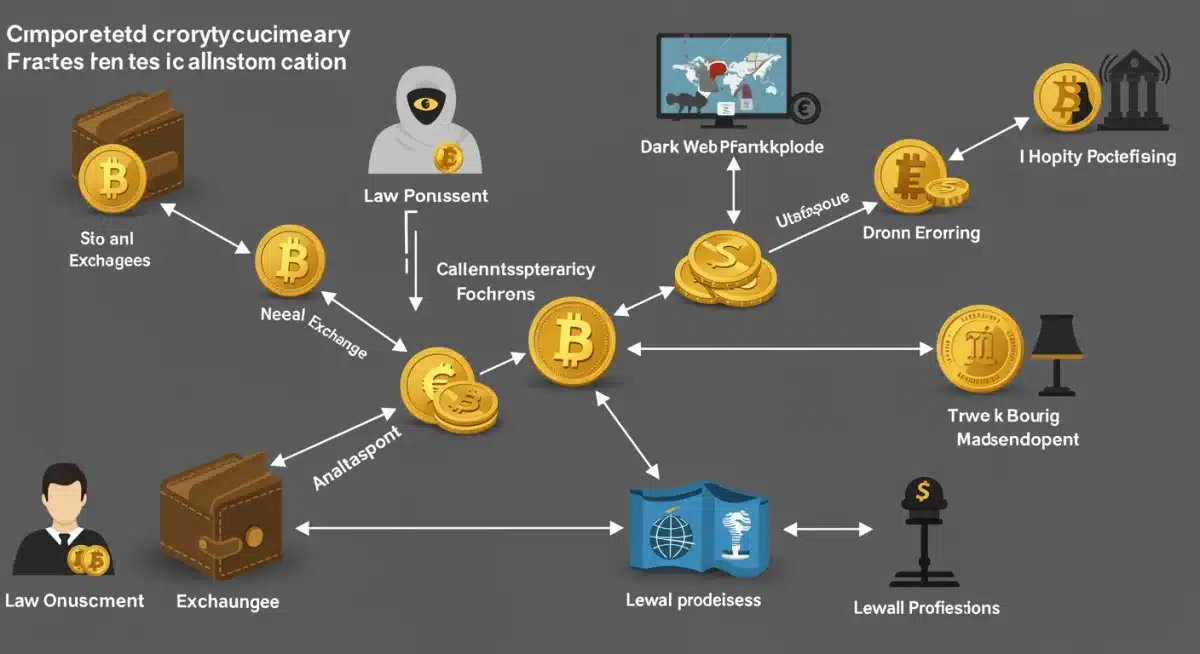
Once initial damage control is in place, the next critical step is to trace the movement of the stolen funds. Blockchain technology, while offering a degree of anonymity, is also transparent. Every transaction is recorded on a public ledger, making it possible to follow the trail of stolen assets. This is where blockchain analytics firms become indispensable in your quest to recover stolen crypto.
2.1 Utilize Blockchain Explorers
Start by using public blockchain explorers (e.g., Etherscan for Ethereum, Blockchain.com for Bitcoin) to track the stolen funds from your wallet address to the attacker’s address. Note down all subsequent transactions, including any attempts to move funds to other wallets or exchanges. This initial tracing can provide a basic understanding of the attacker’s patterns and destinations.
2.2 Engage Professional Blockchain Analytics Firms
For more complex cases, especially those involving multiple hops, mixing services, or transfers across different blockchains, engaging a professional blockchain analytics firm is highly recommended. Companies like Chainalysis, Elliptic, and CipherTrace specialize in forensic analysis of blockchain transactions. They use sophisticated tools and algorithms to de-anonymize transactions, identify clusters of addresses belonging to the same entity, and often link these to real-world identities or known illicit actors. Their expert reports are often crucial evidence for law enforcement and legal proceedings, significantly improving your chances to recover stolen crypto.
2.3 Understand the Limitations
While powerful, blockchain analytics has limitations. If funds are moved through privacy-enhanced coins (like Monero or Zcash with shielded transactions) or sophisticated mixing services, tracing can become extremely difficult, if not impossible. However, many attackers still rely on traditional exchanges for off-ramping, which provides a potential point of intervention.
Step 3: Report to Law Enforcement and Regulatory Bodies
Reporting the theft to the appropriate authorities is a crucial, albeit often frustrating, step. While law enforcement agencies are increasingly aware of crypto-related crimes, their understanding and resources can vary. Nevertheless, an official report is essential for any potential legal action or international cooperation to recover stolen crypto.
3.1 File a Police Report
Contact your local police department and file a formal police report. Provide them with all the documentation you’ve gathered, including transaction IDs, wallet addresses, and any communication with the perpetrator. Emphasize the financial loss and the digital nature of the assets. Obtain a copy of the police report, as this will be necessary for future steps.
3.2 Report to Federal Agencies
Depending on your jurisdiction, report the incident to relevant federal agencies. In the United States, this includes the FBI (via their Internet Crime Complaint Center – IC3) and potentially the Secret Service. Other countries have similar bodies (e.g., National Cyber Security Centre in the UK, Europol in Europe). These agencies often have specialized units dedicated to cybercrime and can coordinate efforts across jurisdictions, which is often necessary to recover stolen crypto that has moved internationally.
3.3 Inform Regulatory Bodies
If the theft involved a regulated exchange or financial institution, consider reporting it to financial regulatory bodies in your country. While they might not directly recover your funds, they can investigate the platform’s security practices and potentially issue directives that could aid in your case.
Step 4: Explore Legal Avenues and Asset Freezing
Once you have a clear understanding of the fund’s movement and have reported the crime, legal action becomes a viable path to recover stolen crypto. This often involves civil litigation and the pursuit of asset freezing orders.
4.1 Consult with Legal Counsel Specializing in Crypto Law
Engage an attorney who has experience with cryptocurrency law and asset recovery. This is a highly specialized field, and a general practice lawyer may not have the expertise needed. Your lawyer can advise you on the feasibility of legal action, the jurisdiction, and the best strategy to pursue. They will help you navigate the complexities of digital asset ownership and recovery in the legal system.
4.2 Seek Asset Freezing Orders (Injunctions)
One of the most powerful legal tools available is an asset freezing order, also known as a Mareva injunction. If the stolen funds can be traced to an identifiable exchange or entity, your lawyer can petition a court to issue an order to freeze those assets. This prevents the perpetrator from moving or liquidating the stolen cryptocurrency. The success of such an order heavily relies on the speed of action and the clear identification of where the funds currently reside. This is where the reports from blockchain analytics firms become critically important in the effort to recover stolen crypto.
4.3 Pursue Civil Litigation
If the identity of the perpetrator can be established, your lawyer can initiate civil proceedings to recover the stolen assets and potentially claim damages. This can be a long and costly process, but it is a direct route to reclaim your property through the legal system. The evidence gathered in previous steps will be crucial for building a strong case.
Step 5: Engage the Crypto Community and Media (Strategic Use)
While not a primary recovery method, strategically engaging the crypto community and, in some cases, the media, can sometimes create pressure and lead to breakthroughs in your efforts to recover stolen crypto.
5.1 Leverage Social Media and Forums
Share details of your theft (wallet addresses, TxIDs, how it happened) on relevant crypto forums, Reddit communities (e.g., r/cryptocurrency), and Twitter. The crypto community is often vigilant and can help track funds, identify patterns, and even alert exchanges. Be cautious about sharing personal identifying information, but provide enough detail to gain community support. Sometimes, the collective intelligence of the community can uncover leads that even professionals might miss.
5.2 Contact Crypto News Outlets
If the theft is substantial or involves a novel attack vector, consider reaching out to cryptocurrency news outlets. Publicizing the incident can put pressure on the perpetrators, exchanges, or even highlight vulnerabilities that need addressing. Media attention can sometimes galvanize action from reluctant parties. However, this step should be taken carefully and in consultation with your legal counsel, as it can be a double-edged sword.
Step 6: Prevention and Future Security Enhancements
While this guide focuses on recovery, the best defense against crypto theft is a strong offense. Once you’ve navigated the immediate crisis, dedicate time to significantly enhance your security posture to prevent future incidents and reduce the likelihood of needing to recover stolen crypto again.
6.1 Post-Incident Security Audit
Conduct a thorough review of all your digital security practices. This includes:
- Password Hygiene: Use strong, unique passwords for every account, managed by a reputable password manager.
- 2FA Everywhere: Implement hardware-based 2FA (e.g., YubiKey) wherever possible, especially for exchanges and email. Avoid SMS 2FA.
- Device Security: Ensure all your devices are updated, use antivirus software, and consider using a dedicated, clean device for crypto transactions.
- Software Wallets: Re-evaluate the security of your software wallets. Ensure they are legitimate, updated, and only used on secure devices.
- Hardware Wallets: If you don’t already, invest in a reputable hardware wallet (Ledger, Trezor) for storing the majority of your crypto. Never share your seed phrase.
- Email Security: Secure your email accounts with strong passwords and 2FA, as email is often a primary target for account takeover.
6.2 Education and Awareness
Stay informed about the latest phishing scams, malware types, and social engineering tactics used by cybercriminals. Regularly review security best practices. A well-informed user is a hard target. Educate yourself on how to identify phishing attempts and suspicious links. Understanding the methods criminals use is crucial to prevent future incidents and avoid the need to recover stolen crypto.
6.3 Diversify and Limit Exposure
Consider diversifying your crypto holdings across different wallets and exchanges. Avoid keeping all your assets in one place. Only keep the amount you actively trade on exchanges, with the bulk of your holdings in cold storage (hardware wallets). This limits your exposure in case one platform or wallet is compromised.

The Evolving Landscape of Crypto Recovery in 2026
The year 2026 marks a significant period for cryptocurrency security and recovery. We’re seeing increased collaboration between law enforcement agencies across borders, driven by the growing prevalence of crypto-related crime. Blockchain analytics tools are becoming more sophisticated, capable of tracing even complex transaction patterns. Furthermore, legal precedents are being set, making it easier for victims to pursue civil action and obtain asset freezing orders in various jurisdictions.
However, alongside these advancements, cybercriminals are also evolving their tactics. Decentralized Autonomous Organizations (DAOs) and DeFi protocols, while innovative, introduce new vulnerabilities that require different recovery approaches. The rise of privacy coins and enhanced mixing services continues to pose challenges for tracing. Therefore, a multi-faceted approach, combining rapid technical response, professional forensic analysis, legal action, and community engagement, is essential for anyone hoping to recover stolen crypto in this dynamic environment.
Conclusion: Be Prepared, Act Decisively to Recover Stolen Crypto
Losing cryptocurrency to theft is a distressing experience, but it is not always a lost cause. This 6-step emergency response plan provides a structured and actionable framework for individuals and organizations in 2026 to navigate the recovery process. From immediate damage control and meticulous documentation to engaging blockchain analytics experts, reporting to law enforcement, pursuing legal avenues, and strategically using community outreach, each step plays a vital role in maximizing your chances to recover stolen crypto.
The key takeaways are clear: speed, thorough documentation, and leveraging specialized expertise are paramount. While prevention is always better than cure, having a well-rehearsed plan for when things go wrong can make a monumental difference. As the digital asset space continues to mature, so too must our preparedness for its inherent risks. By following this guide, you equip yourself with the best possible strategy to confront crypto theft head-on and fight to reclaim what is rightfully yours.