DAOs Reshaping US Corporate Governance by 2026
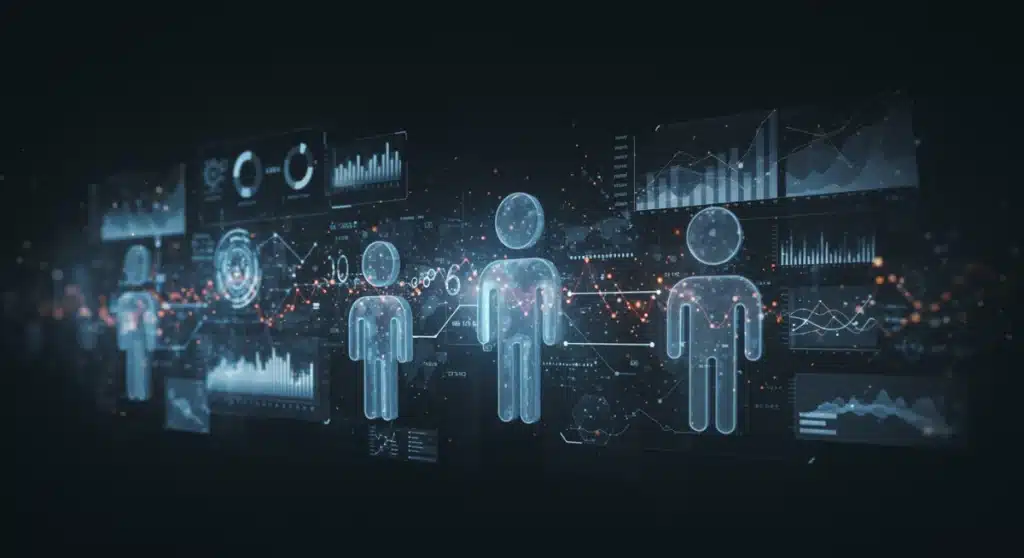
Decentralized Autonomous Organizations (DAOs) are rapidly emerging as a transformative force, fundamentally altering traditional corporate governance structures in the U.S. by 2026 through innovative, transparent, and community-driven models.
Are you ready for a seismic shift in how businesses are run? The landscape of corporate governance in the U.S. is on the cusp of a profound transformation, driven by the rise of DAO Corporate Governance. These Web3 innovations are not just theoretical concepts; they are rapidly becoming tangible realities, promising a future where decision-making is more transparent, democratic, and efficient. By 2026, the influence of Decentralized Autonomous Organizations (DAOs) will be undeniable, challenging established norms and offering new paradigms for collective action and organizational structure.
The Dawn of Decentralized Autonomous Organizations in the U.S.
The concept of Decentralized Autonomous Organizations (DAOs) represents a fundamental departure from traditional, hierarchical corporate structures. Instead of a board of directors or a CEO making all the critical decisions, DAOs leverage blockchain technology to enable collective governance where token holders propose and vote on key initiatives. This shift towards a more democratic and transparent operational model is gaining significant traction within the U.S., particularly as Web3 innovations mature and regulatory frameworks begin to adapt.
DAOs are essentially internet-native organizations that are collectively owned and managed by their members. They operate without central leadership, relying instead on smart contracts to automate decision-making processes and enforce rules. This architecture fosters a high degree of transparency and immutability, as all transactions and votes are recorded on a public blockchain. The implications for corporate governance are immense, offering a potential antidote to issues of corporate opacity and centralized power that have plagued traditional entities.
Understanding the Core Principles of DAOs
At their heart, DAOs are built on a few core principles that differentiate them from conventional organizations. These principles are what make them so disruptive and potentially transformative for corporate governance.
- Decentralization: Power is distributed among many participants, rather than concentrated in a few hands.
- Transparency: All operations, proposals, and votes are publicly recorded on a blockchain, ensuring accountability.
- Community Governance: Members actively participate in decision-making, often through token-weighted voting.
- Automation: Smart contracts execute agreed-upon rules and decisions without human intermediaries.
The emergence of DAOs in the U.S. is not merely a technological trend; it’s a socio-economic movement that challenges the very foundations of corporate control and stakeholder engagement. As we approach 2026, their impact will become increasingly evident across various sectors, from finance to media.
Traditional Governance vs. DAO Models: A Paradigm Shift
Comparing traditional corporate governance with DAO models reveals a stark contrast in structure, transparency, and decision-making processes. Traditional corporations are characterized by a top-down hierarchy, where shareholders elect a board of directors, and the board appoints executives to manage daily operations. This structure, while familiar, can often lead to agency problems, information asymmetry, and a lack of direct stakeholder input.
DAO models, conversely, champion a bottom-up approach. Every token holder, to varying degrees based on their holdings or reputation, has a say in the organization’s direction. This direct participation bypasses many layers of bureaucracy and centralized control inherent in traditional corporate structures. The shift is not just about technology; it’s about a fundamental re-imagining of who holds power and how decisions are made within an organization.
Key Differences in Decision-Making
The method of decision-making is perhaps the most significant differentiator between the two models. In traditional corporations, decisions often flow from the top down, with limited avenues for direct input from a broad base of stakeholders. This can lead to slower adaptation to market changes and a disconnect between leadership and the operational realities.
- Traditional: Centralized authority, board-led decisions, shareholder voting (often indirect).
- DAO: Distributed authority, community proposals, direct token-weighted voting, smart contract execution.
The transparency offered by DAOs is also a game-changer. Every proposal, every vote, and every allocation of funds is recorded on the blockchain, creating an immutable audit trail. This level of transparency is virtually impossible to achieve in traditional corporate settings, where internal processes and financial flows can often be opaque to external stakeholders and even some internal ones.
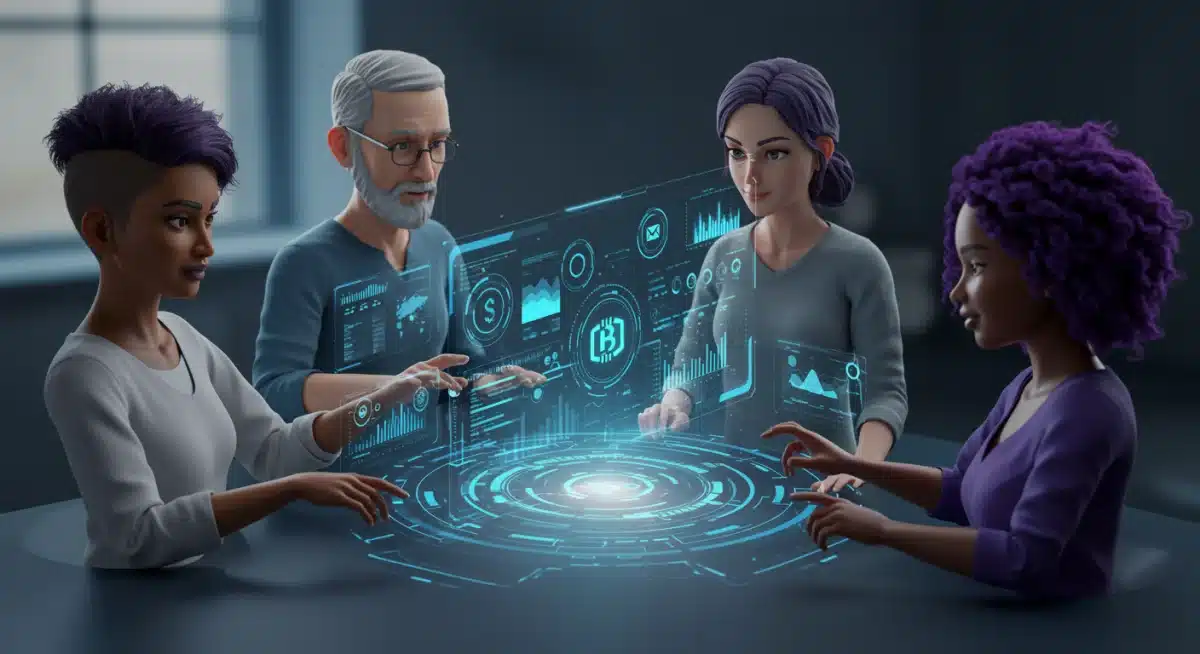
As the U.S. business environment becomes increasingly complex and demands greater accountability, the appeal of DAO models for corporate governance will only grow. They offer a promise of fairness, efficiency, and a truly democratic approach to organizational management that is difficult for traditional structures to match.
Model 1: The Protocol DAO – Governing Web3 Infrastructure
One of the most prevalent and influential models of DAO in the current Web3 landscape is the Protocol DAO. These organizations are specifically designed to govern the underlying infrastructure of decentralized protocols, ensuring their continued development, security, and evolution. In the U.S., Protocol DAOs are already playing a crucial role in shaping the future of decentralized finance (DeFi), blockchain platforms, and other foundational Web3 technologies.
The governance of a Protocol DAO typically revolves around proposals and voting by token holders. These proposals can range from technical upgrades to changes in fee structures, treasury management, or even strategic partnerships. The beauty of this model lies in its ability to adapt and innovate rapidly, driven by the collective intelligence and vested interests of its community.
How Protocol DAOs Operate
Protocol DAOs function through a well-defined set of rules encoded in smart contracts. These contracts automate the execution of approved proposals, removing the need for human intervention and minimizing potential for corruption or delay. The primary mechanism for participation is often through governance tokens, which grant holders voting power proportional to their stake.
- Proposal Submission: Any member can submit a proposal, often requiring a minimum token stake to prevent spam.
- Discussion and Deliberation: Proposals are openly discussed within the community on forums or chat platforms.
- Voting: Token holders cast their votes on the blockchain, with outcomes determined by pre-defined quorum and approval thresholds.
- Execution: Approved proposals are automatically executed by smart contracts, ensuring unbiased implementation.
The success of Protocol DAOs hinges on active community engagement and a robust token distribution that encourages broad participation. As these DAOs mature, their ability to self-govern and evolve will be critical for the long-term viability and security of the Web3 ecosystem in the U.S.
Model 2: The Investment DAO – Democratizing Capital Allocation
Another significant development in the DAO landscape is the emergence of Investment DAOs. These organizations pool capital from members to invest in various assets, projects, or startups, often within the Web3 space. The key differentiator from traditional venture capital or investment funds is the decentralized nature of decision-making: investment proposals are put forth and voted upon by the DAO members, rather than by a centralized fund manager.
Investment DAOs are democratizing access to capital allocation and venture investing, allowing a broader range of participants to collectively fund and benefit from promising opportunities. This model is particularly attractive in the U.S. for those seeking to participate in early-stage Web3 projects without the high barriers to entry typically associated with traditional investment vehicles.
Structure and Benefits of Investment DAOs
Investment DAOs typically operate with a clear mandate outlined in their smart contracts, detailing their investment focus, voting mechanisms, and profit-sharing models. Members contribute capital, often in cryptocurrency, and receive governance tokens in return, granting them voting rights on investment decisions.
- Pooled Capital: Members contribute funds to a shared treasury.
- Community Vetting: Investment opportunities are often sourced and vetted by the community.
- Collective Decision-Making: Members vote on which projects to invest in, often with a simple majority or supermajority rule.
- Transparent Returns: Investment outcomes and treasury balances are publicly viewable on the blockchain.
The transparency and collective wisdom inherent in Investment DAOs can lead to more diversified portfolios and potentially higher returns, as decisions are informed by a wider range of perspectives. By 2026, these DAOs are expected to significantly disrupt traditional venture capital and private equity models in the U.S., offering a more inclusive and transparent approach to capital deployment.
Model 3: The Social DAO – Building Community and Shared Purpose
Beyond protocols and investments, DAOs are also fostering new forms of community and collective action through Social DAOs. These organizations are primarily focused on bringing together individuals with shared interests, passions, or causes, enabling them to collectively fund projects, organize events, or achieve common goals. In the U.S., Social DAOs are proving particularly effective in areas like art collection, philanthropic endeavors, and the creation of digital-native communities.
Unlike Protocol or Investment DAOs, the primary driver for Social DAOs is often not financial gain, but rather the pursuit of a shared purpose or the strengthening of community bonds. They represent a powerful tool for coordinating distributed groups of people and leveraging collective resources for impact, redefining how communities can be structured and managed in the digital age.
The Dynamics of Social DAOs
Social DAOs often have more flexible governance structures, tailored to their specific objectives. While token-weighted voting can still be present, reputation-based systems or quadratic voting might also be employed to ensure broader participation and prevent whale dominance. The emphasis is on collective engagement and the ability to rapidly mobilize resources for a common cause.
- Shared Vision: Members unite around a common interest, hobby, or social cause.
- Collective Funding: Funds are pooled for specific projects, events, or donations.
- Community Ownership: Members collectively own and manage shared assets or initiatives.
- Flexible Governance: Voting mechanisms can vary, prioritizing participation and fairness over pure capital weight.
As digital identities and online communities become increasingly central to people’s lives, Social DAOs offer a robust framework for managing these interactions and achieving collective impact. By 2026, their influence in shaping cultural movements, supporting creators, and driving social change within the U.S. will be undeniable, showcasing the versatility and power of decentralized governance.
Challenges and Regulatory Landscape for DAOs in the U.S.
While the potential of DAOs to reshape corporate governance in the U.S. is immense, their widespread adoption is not without significant challenges. The nascent nature of these organizations, coupled with a rapidly evolving technological and legal landscape, presents hurdles that need to be addressed. Understanding these challenges is crucial for anyone looking to engage with or build within the DAO ecosystem.
One of the primary concerns revolves around regulatory clarity. The existing legal frameworks for corporations and unincorporated associations were not designed with decentralized, autonomous entities in mind. This creates ambiguities regarding liability, taxation, and legal recognition, which can deter mainstream adoption and institutional participation.
Navigating the Regulatory Maze
The U.S. government and various states are actively exploring how to regulate DAOs, with some jurisdictions like Wyoming and Vermont leading the way in establishing specific legal frameworks. However, a consistent national approach is still developing, leading to a patchwork of regulations that can be confusing for DAO creators and participants.
- Legal Status: The lack of a clear legal entity status for DAOs can expose members to unlimited liability.
- Taxation: How DAOs and their members are taxed remains largely undefined, creating uncertainty.
- Securities Laws: Governance tokens may be classified as securities, subjecting DAOs to stringent regulatory requirements.
- Consumer Protection: Ensuring adequate protection for DAO members and participants is an ongoing concern.
Beyond regulation, operational challenges such as voter apathy, security vulnerabilities in smart contracts, and the difficulty of reaching consensus in large, diverse communities also need to be managed. Addressing these issues will be paramount for DAOs to achieve their full potential and integrate seamlessly into the U.S. corporate landscape by 2026.
The Future Impact of DAOs on U.S. Corporate Governance by 2026
Looking ahead to 2026, the trajectory of DAOs suggests a significant and lasting impact on U.S. corporate governance. While challenges remain, the innovative potential of decentralized, transparent, and community-driven organizations is too compelling to ignore. We can anticipate a hybrid model emerging, where elements of DAO governance are integrated into traditional corporate structures, or entirely new legal forms of DAOs gain widespread recognition.
The drive for greater transparency, stakeholder engagement, and efficient decision-making will push more businesses, both new and established, towards exploring DAO principles. This evolution will not necessarily mean the outright replacement of all traditional corporations, but rather a transformation that incorporates the best aspects of decentralized governance.
Anticipated Shifts and Adaptations
Several key shifts are expected as DAOs mature and gain broader acceptance. These changes will redefine not only how companies are run but also how value is created and distributed in the economy.
- Increased Hybrid Models: Traditional corporations will adopt DAO-like mechanisms for specific functions, such as treasury management or community grants.
- Specialized DAO Service Providers: A new industry of legal, technical, and governance service providers will emerge to support DAO operations.
- Regulatory Evolution: More comprehensive and nuanced legal frameworks for DAOs at both state and federal levels will provide much-needed clarity.
- Enhanced Stakeholder Value: Greater participation will lead to more aligned incentives and improved outcomes for a wider range of stakeholders.
The journey towards widespread DAO adoption in U.S. corporate governance is complex, but the direction is clear. By 2026, DAOs will have moved from a niche Web3 innovation to a recognized and influential force, fundamentally reshaping the way we think about and execute organizational leadership and collective action.
| Key Aspect | DAO Implication by 2026 |
|---|---|
| Corporate Structure | Shifting from hierarchical to flat, community-driven governance models. |
| Decision-Making | Automated by smart contracts, transparent voting by token holders. |
| Transparency | All operations and financial flows publicly visible on blockchain. |
| Capital Allocation | Democratized investment decisions through collective member votes. |
Frequently Asked Questions About DAOs
A DAO is an organization managed by rules encoded as smart contracts on a blockchain, without central leadership. Decisions are made by its members, typically via token-weighted voting, ensuring transparency and decentralized governance.
By 2026, DAOs are expected to introduce more transparent, democratic, and efficient governance models, challenging traditional hierarchies. They will likely lead to hybrid corporate structures and clearer regulatory frameworks in the U.S.
The three key models are Protocol DAOs (governing Web3 infrastructure), Investment DAOs (democratizing capital allocation), and Social DAOs (building community around shared purposes or causes, like art or philanthropy).
Key challenges include regulatory uncertainty regarding legal status, taxation, and securities classification. Operational issues like voter apathy and smart contract security are also significant hurdles to overcome for broader adoption.
Yes, traditional corporations can integrate DAO principles for specific functions, such as treasury management, community grants, or even certain decision-making processes. This often leads to hybrid models combining centralized efficiency with decentralized transparency.
Conclusion
The emergence and rapid evolution of Decentralized Autonomous Organizations are undeniably poised to redefine corporate governance in the U.S. by 2026. From governing foundational Web3 protocols to democratizing investment and fostering new forms of community, DAOs offer a powerful alternative to traditional hierarchical structures. While regulatory and operational challenges require careful navigation, the inherent transparency, efficiency, and democratic nature of DAOs present a compelling vision for the future. As these Web3 innovations continue to mature, they will not only reshape how organizations are run but also empower a broader base of stakeholders, fostering a more equitable and participatory economic landscape.