Optimizing Altcoin Staking Rewards 2026: U.S. Guide to 15% APY
Optimizing Altcoin Staking Rewards in 2026: A Practical Guide for U.S. Residents to Earn Up to 15%
The cryptocurrency landscape is constantly evolving, presenting both new opportunities and challenges for investors. As we look towards 2026, altcoin staking continues to emerge as a powerful mechanism for generating passive income. For U.S. residents, navigating this dynamic environment requires a keen understanding of market trends, technological advancements, and crucial regulatory considerations. This comprehensive guide aims to equip you with the knowledge and strategies to optimize your altcoin staking rewards, potentially reaching an impressive 15% Annual Percentage Yield (APY) or more, all while ensuring compliance and managing risks effectively.
Staking, in essence, involves locking up your cryptocurrency holdings to support the operations of a blockchain network. In return for your participation, you earn rewards, often in the form of additional tokens. This process is fundamental to Proof-of-Stake (PoS) blockchains, which are increasingly favored for their energy efficiency and scalability compared to Proof-of-Work (PoW) systems. With the proliferation of innovative altcoins, the potential for significant returns from staking has never been higher, making it an attractive prospect for those looking to grow their digital assets.
However, the journey to maximizing altcoin staking rewards is not without its complexities. It demands careful research, strategic asset allocation, and a proactive approach to staying informed about market shifts and regulatory changes. This guide will delve into the core concepts of staking, identify promising altcoins, outline best practices for U.S. residents, and provide insights into advanced strategies to supercharge your earnings.
Understanding the Fundamentals of Altcoin Staking
Before diving into specific strategies, it’s crucial to grasp the foundational principles of altcoin staking. Staking is a mechanism used by Proof-of-Stake (PoS) blockchains to secure their networks and validate transactions. Instead of miners solving complex computational puzzles (as in Proof-of-Work), stakers lock up a certain amount of their cryptocurrency as collateral. This collateral makes them eligible to be randomly selected to validate new blocks and, in return, they receive newly minted tokens as rewards, along with transaction fees.
How Does Staking Work?
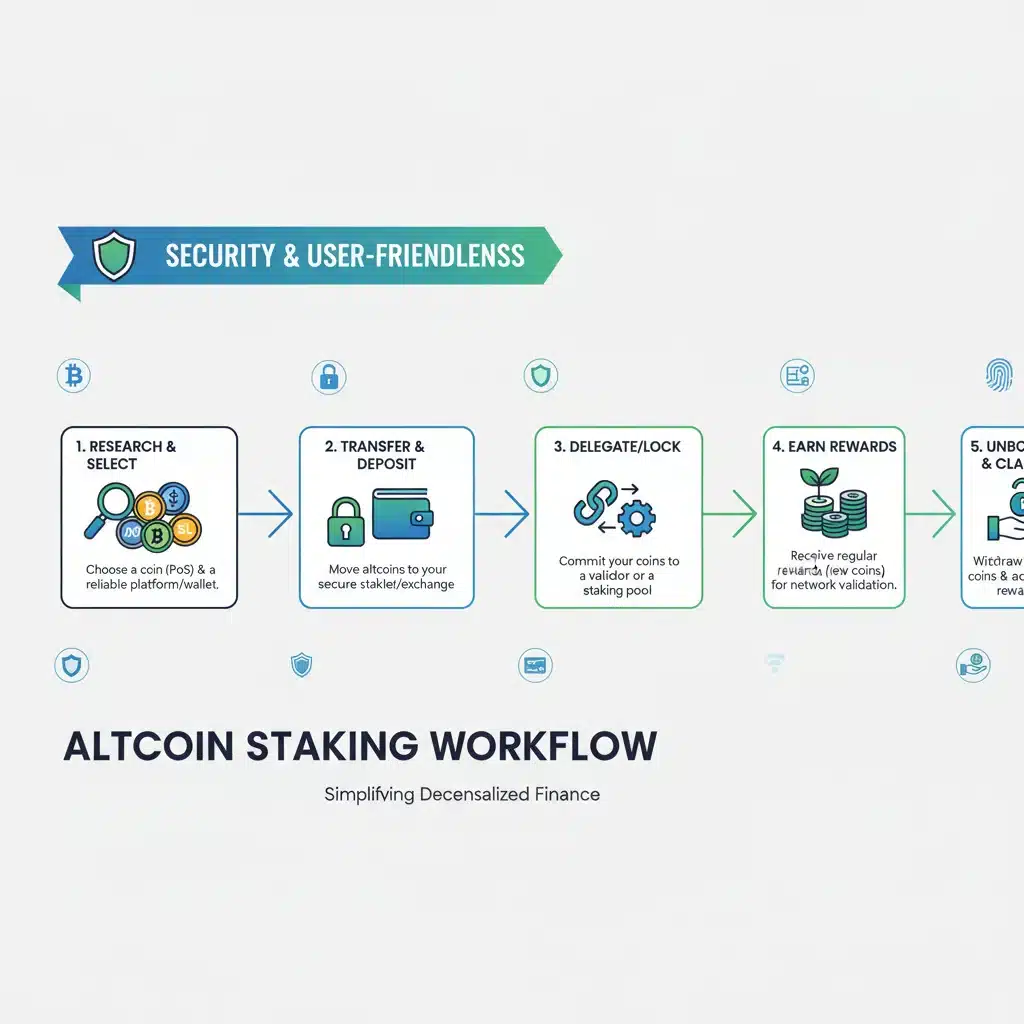
- Locking Up Assets: You commit your altcoins to a staking pool or directly to the network. During this period, your assets are typically inaccessible for trading or withdrawal.
- Validator Participation: Stakers, or validators, are responsible for verifying transactions and maintaining the integrity of the blockchain. The more coins staked, the higher the chance of being selected as a validator.
- Earning Rewards: When a validator successfully proposes and validates a new block, they receive staking rewards. These rewards are distributed proportionally among all participants in a staking pool or directly to individual stakers.
- Slashing: A crucial aspect of PoS is slashing, a penalty mechanism where a portion of a validator’s staked assets can be forfeited if they act maliciously or fail to perform their duties (e.g., going offline). This incentivizes honest behavior.
Types of Staking
There are several ways to participate in altcoin staking:
- Solo Staking: Running your own validator node requires significant technical expertise, substantial capital (to meet minimum staking requirements), and constant uptime. This offers the highest rewards but also the highest responsibility.
- Delegated Staking: This is the most common method for individual investors. You delegate your altcoins to a professional validator who runs the node on your behalf. You share in the rewards (minus a commission fee) and avoid the technical complexities.
- Staking Pools: Similar to delegated staking, but often managed by centralized exchanges or dedicated platforms. They aggregate smaller amounts of crypto from many users to meet validator requirements.
- Liquid Staking: An innovative approach where you receive a liquid staking derivative (LSD) token in exchange for your staked assets. This LSD can then be used in other DeFi protocols, allowing you to earn additional yield while your original assets remain staked. This is a game-changer for maximizing altcoin staking rewards.
Identifying High-Potential Altcoins for Staking in 2026
The key to maximizing your altcoin staking rewards lies in selecting the right assets. By 2026, the crypto market will likely have matured further, with established projects continuing to innovate and new contenders emerging. When evaluating altcoins for staking, consider the following factors:
Key Evaluation Criteria
- APY (Annual Percentage Yield): While attractive, high APY alone isn’t sufficient. It needs to be sustainable and reflective of the project’s fundamentals. Extremely high APYs can sometimes indicate high risk or inflationary tokenomics.
- Network Security and Decentralization: A robust and decentralized network is less prone to attacks and censorship, making your staked assets more secure.
- Project Fundamentals and Use Case: Invest in projects with strong teams, clear roadmaps, active development, and real-world utility. These are more likely to thrive long-term.
- Market Capitalization and Liquidity: Larger market cap altcoins generally offer more stability, while good liquidity ensures you can exit your position if needed.
- Staking Mechanism and Lock-up Periods: Understand how staking works for each altcoin, including any unbonding periods (the time it takes to unstake your assets), which can impact your ability to react to market changes.
- Community Support and Development: A vibrant and engaged community, coupled with continuous protocol upgrades, indicates a healthy and evolving ecosystem.
- Regulatory Clarity: For U.S. residents, understanding the regulatory stance on a particular altcoin is paramount. Projects actively working towards regulatory compliance are generally safer bets.
Promising Altcoin Categories for 2026
While specific recommendations can change rapidly, certain categories are likely to offer strong altcoin staking rewards in 2026:
- Layer 1 Blockchains (Scalability Solutions): Projects like Ethereum (post-merge, with liquid staking derivatives), Solana, Avalanche, Polkadot, Cosmos, and Cardano continue to be foundational. Their staking yields often reflect network activity and adoption.
- DeFi Protocols: Decentralized Finance remains a powerhouse. Many DeFi protocols offer staking or liquidity providing opportunities that can yield significant returns. Look for established protocols with audited smart contracts.
- Decentralized Storage Networks: Projects like Filecoin or Arweave, which provide decentralized data storage, often have staking mechanisms to incentivize storage providers.
- Oracle Networks: Chainlink, for example, is beginning to roll out its staking mechanism, which will be crucial for securing decentralized data feeds.
- Gaming and Metaverse Altcoins: As these sectors mature, some projects may offer staking for governance or in-game asset generation, though these can be higher risk.
Strategic Approaches to Maximizing Your Altcoin Staking Rewards
Achieving up to 15% APY on your altcoin staking rewards requires a multi-faceted strategy that goes beyond simply holding and staking. Here are advanced techniques:
1. Diversification Across Multiple Altcoins and Platforms
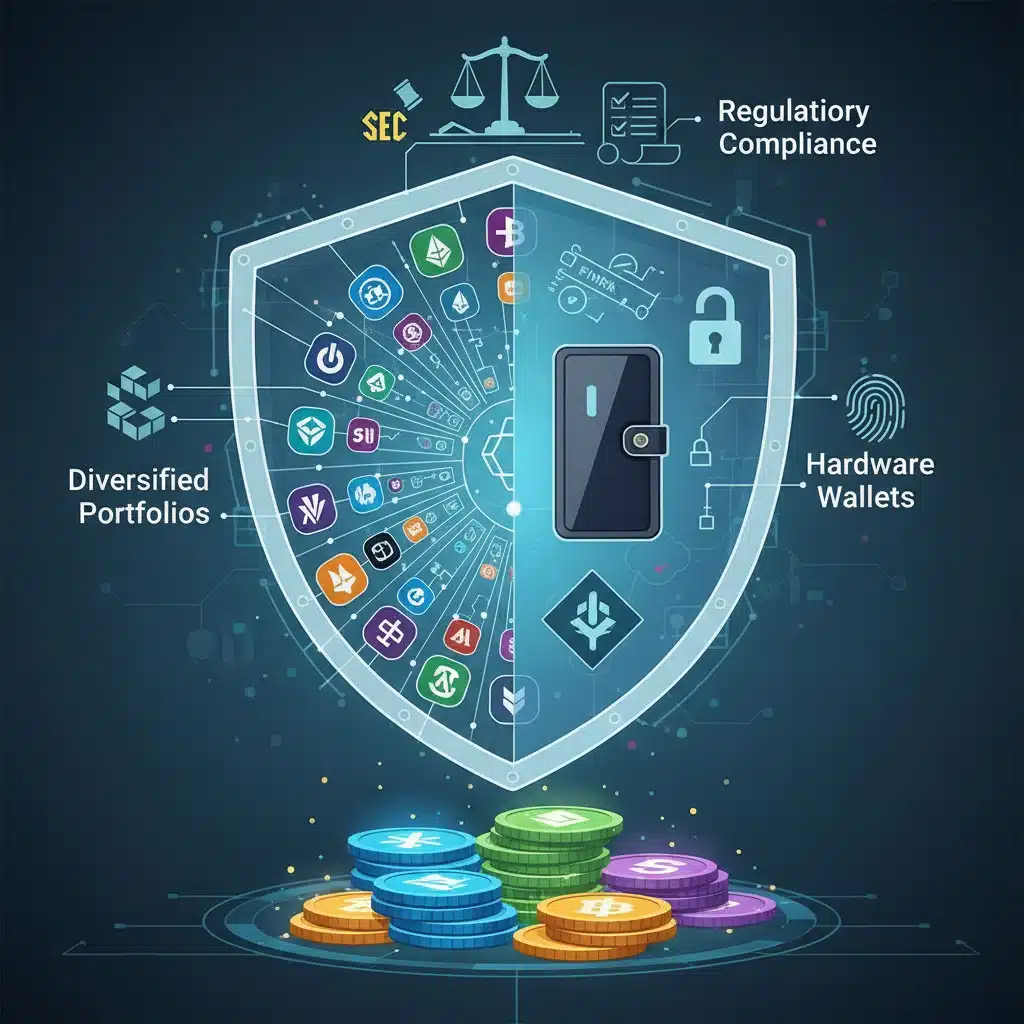
Never put all your eggs in one basket. Diversify your staking portfolio across several promising altcoins to mitigate specific project risks. Furthermore, consider using different staking platforms (decentralized vs. centralized exchanges) to reduce platform-specific risks.
2. Reinvesting Rewards (Compounding)
The power of compounding is undeniable. Regularly reinvesting your staking rewards back into the same asset or other staking opportunities significantly boosts your overall returns over time. Many platforms offer automatic compounding features.
3. Utilizing Liquid Staking Derivatives (LSDs)
Liquid staking is perhaps the most significant innovation for maximizing altcoin staking rewards. Instead of having your assets locked and illiquid, you receive an LSD token representing your staked amount. This LSD can then be used in other DeFi protocols for:
- Lending: Earn additional interest by lending your LSDs.
- Liquidity Provision: Provide liquidity to decentralized exchanges (DEXs) with your LSDs to earn trading fees and liquidity mining rewards.
- Borrowing: Use LSDs as collateral to borrow other assets, potentially for further yield farming.
This creates a yield-on-yield strategy, significantly amplifying your potential APY. Projects like Lido Finance (for Ethereum’s stETH) are pioneers in this space.
4. Actively Managing Your Portfolio
The crypto market is dynamic. Regularly review your staked assets and adjust your strategy based on:
- APY Changes: Staking rewards can fluctuate. Be prepared to shift assets to more lucrative opportunities if a project’s APY drops significantly and sustainably.
- Market Conditions: During bull runs, some altcoins might offer higher staking rewards to attract capital. During bear markets, focus on stable, high-quality projects.
- Project Developments: Keep an eye on project updates, partnerships, and technological advancements that could impact an altcoin’s value or staking mechanism.
5. Participating in Governance
Many Proof-of-Stake networks allow stakers to participate in governance by voting on proposals. While not directly a reward, active participation can lead to better protocol decisions, which in turn can positively impact the value and sustainability of your staked assets. Some protocols even offer small rewards for governance participation.
Navigating Regulatory and Tax Landscape for U.S. Residents
For U.S. residents, understanding the regulatory and tax implications of altcoin staking rewards is not just important, it’s mandatory. Non-compliance can lead to significant penalties.
Key Regulatory Considerations
- SEC Scrutiny: The U.S. Securities and Exchange Commission (SEC) continues to scrutinize various cryptocurrencies, potentially classifying some as securities. This classification can impact how they are traded, offered, and even staked. Stay informed about any SEC actions related to your chosen altcoins.
- State-Specific Regulations: While federal regulations are paramount, some states have their own rules regarding crypto activities. Be aware of any local requirements that might apply to you.
- Centralized Exchange Compliance: If you stake through a centralized exchange, they will likely handle much of the regulatory burden, but you still need to understand their terms of service and how they manage U.S. accounts.
Taxation of Staking Rewards
The IRS considers staking rewards as taxable income. The general guidance is:
- Income Recognition: Staking rewards are typically taxed as ordinary income at their fair market value (FMV) in U.S. dollars at the time you receive control over them (i.e., when they are deposited into your wallet).
- Capital Gains/Losses: If you later sell your staked altcoins or the rewards you received, any profit or loss from that sale will be subject to capital gains tax (short-term or long-term, depending on your holding period).
- Record Keeping: Meticulous record-keeping is essential. Track the date, amount, and USD value of every staking reward received. Utilize crypto tax software or consult with a crypto-savvy tax professional.
- Form 1099-MISC/NEC: Some centralized exchanges might issue you a Form 1099-MISC or 1099-NEC if your staking rewards exceed certain thresholds. However, relying solely on these forms is often insufficient for comprehensive crypto tax reporting.
Disclaimer: This information is for educational purposes only and not tax advice. Always consult with a qualified tax professional regarding your specific situation.
Mitigating Risks in Altcoin Staking
While the prospect of 15% APY from altcoin staking rewards is enticing, it’s crucial to understand and mitigate the inherent risks:
1. Smart Contract Risks
If you’re staking through a DeFi protocol or using liquid staking, you’re interacting with smart contracts. Bugs or exploits in these contracts can lead to loss of funds. Only stake with audited and reputable protocols.
2. Validator Risks (Slashing)
If you delegate your coins, the validator you choose could be slashed for malicious behavior or poor performance. This can result in a loss of your staked principal. Research validators thoroughly: look for a strong track record, high uptime, and reasonable commission fees.
3. Market Volatility
The value of altcoins can be highly volatile. Even if you earn a high APY in tokens, the USD value of your holdings could decline if the altcoin’s price drops significantly. This is the primary risk for most stakers. Dollar-cost averaging into positions can help mitigate this.
4. Liquidity Risks (Unbonding Periods)
Many staking mechanisms involve unbonding periods, during which your assets are locked and cannot be traded. This means you cannot quickly react to sudden market downturns. Factor this into your risk assessment.
5. Centralization Risks
Staking through centralized exchanges carries counterparty risk. If the exchange is hacked, goes bankrupt, or faces regulatory issues, your staked assets could be at risk. Decentralized staking methods are generally preferred for security.
6. Inflationary Pressure
Some altcoins have high inflation rates to incentivize staking. While you earn rewards, the increased supply of tokens could dilute the value of your holdings if demand doesn’t keep pace. Understand the tokenomics of any altcoin you stake.
Tools and Platforms for U.S. Stakers
To effectively manage your altcoin staking rewards, leveraging the right tools and platforms is essential.
Decentralized Staking Options
- Hardware Wallets (e.g., Ledger, Trezor): Essential for securing your private keys. Many hardware wallets integrate directly with staking interfaces or allow you to delegate through their apps. This is the safest way to stake.
- Validator Dashboards: For many PoS networks, you can delegate directly from the network’s official wallet or a community-built dashboard (e.g., Keplr wallet for Cosmos-SDK chains).
- Liquid Staking Protocols (e.g., Lido Finance, Rocket Pool): These platforms offer liquid staking derivatives, allowing you to participate in DeFi while earning staking rewards.
Centralized Exchange Staking
Many reputable centralized exchanges (e.g., Coinbase, Kraken, Binance.US) offer staking services. While convenient, remember the counterparty risk. They handle the technical aspects and often offer a simpler user experience, but you give up custody of your assets.
Crypto Tax Software
Tools like CoinTracker, Koinly, or CryptoTaxCalculator can help you track your staking rewards, calculate their USD value at the time of receipt, and generate necessary tax reports, simplifying compliance for U.S. residents.
Portfolio Trackers
Use portfolio trackers (e.g., CoinGecko, CoinMarketCap, or specialized apps) to monitor the performance of your staked assets, track APY changes, and stay informed about market movements.
The Future of Altcoin Staking in 2026 and Beyond
As we advance towards 2026, several trends will likely shape the landscape of altcoin staking rewards:
1. Increased Institutional Adoption
A clearer regulatory environment and more robust infrastructure will likely attract more institutional investors to staking, potentially increasing demand for PoS assets and driving innovation in staking services.
2. Evolution of Liquid Staking
Liquid staking is still relatively new but is rapidly expanding. By 2026, we can expect more altcoins to support liquid staking, offering even more opportunities for yield optimization and capital efficiency across the DeFi ecosystem.
3. Enhanced Security Measures
As staking becomes more mainstream, there will be a continued focus on improving the security of staking protocols, smart contracts, and validator infrastructure, reducing risks for stakers.
4. Regulatory Clarity (Hopefully)
While unpredictable, the hope is that by 2026, the U.S. will have a more defined and comprehensive regulatory framework for cryptocurrencies, including staking. This clarity could reduce uncertainty and foster greater participation.
5. Decentralized Autonomous Organizations (DAOs) and Governance Staking
The role of DAOs will likely expand, and staking for governance participation might become more prevalent, offering stakers a direct say in the future of their invested protocols.
Final Thoughts for U.S. Residents
Optimizing altcoin staking rewards to achieve up to 15% APY in 2026 is an ambitious yet achievable goal for U.S. residents. It requires a combination of astute market analysis, strategic asset allocation, continuous learning, and a diligent approach to risk management and regulatory compliance.
Start by thoroughly researching potential altcoins, focusing on projects with strong fundamentals, active development, and sustainable tokenomics. Embrace diversification, explore the power of liquid staking, and always prioritize the security of your assets using hardware wallets. Crucially, stay informed about the evolving U.S. regulatory and tax landscape, and consult with professionals when necessary to ensure you remain compliant.
The journey into crypto staking is one of continuous learning. By staying informed, adapting your strategies, and making calculated decisions, you can effectively harness the power of altcoin staking to generate significant passive income and grow your digital wealth in the years to come.
Remember, the crypto market is inherently volatile. Only invest what you can afford to lose, and always conduct your own due diligence. Happy staking!