Crypto MFA: Boosting US Wallet Security by 85% by 2025
Multi-Factor Authentication (MFA) is pivotal for securing US crypto wallets, significantly reducing digital asset theft risks by combining multiple verification methods, aiming for an 85% reduction by 2025.
The digital frontier of cryptocurrency brings unparalleled opportunities, but also introduces significant security challenges. Protecting your valuable digital assets, especially within the United States, demands robust measures. This article explores how Multi-Factor Authentication in Crypto: Implementing Top-Tier Digital Security for US Wallets, Reducing Risk by 85% by 2025 is not just a recommendation, but a critical imperative for every crypto holder.
Understanding the Crypto Security Landscape in the US
The United States has emerged as a global leader in cryptocurrency adoption and innovation, yet this prominence also makes US-based crypto holders prime targets for cybercriminals. The decentralized nature of blockchain, while offering freedom, shifts the primary responsibility for security directly onto the individual. This means understanding the threats and implementing effective countermeasures is paramount.
The Evolving Threat Model
Cybersecurity threats against crypto assets are diverse and constantly evolving. From sophisticated phishing attacks to malware designed to steal private keys, attackers employ a wide array of tactics. The financial allure of cryptocurrency makes it an attractive target, driving criminals to continuously refine their methods. Users must remain vigilant and proactive in their security posture.
- Phishing Scams: Deceptive emails or websites designed to trick users into revealing wallet credentials or private keys.
- Malware and Spyware: Software installed on devices to monitor activity, capture keystrokes, or directly access sensitive information.
- SIM Swapping: A fraudulent technique where attackers gain control of a victim’s phone number to intercept verification codes.
- Supply Chain Attacks: Compromising legitimate software or hardware used in the crypto ecosystem to introduce vulnerabilities.
These threats underscore the need for a multi-layered defense strategy. Relying solely on a strong password is no longer sufficient; an additional layer of verification is essential to safeguard digital wealth effectively. This proactive approach is what drives the push for higher security standards across the US crypto landscape.
What is Multi-Factor Authentication (MFA) and Why It Matters for Crypto
Multi-Factor Authentication (MFA) is a security system that requires more than one method of verification from independent categories of credentials to verify the user’s identity for a login or other transaction. Instead of just a password, MFA demands two or more pieces of evidence from different types of authentication factors. This significantly reduces the likelihood of unauthorized access, even if one factor is compromised.
The Three Pillars of Authentication
MFA typically draws from three main categories of authentication factors, making it far more secure than single-factor methods:
- Something You Know: This includes passwords, PINs, or security questions. It’s the most common and often the weakest factor on its own.
- Something You Have: This involves physical items like a smartphone (for authenticator apps or SMS codes), a hardware security key (like a YubiKey), or a smart card.
- Something You Are: This category encompasses biometric data, such as fingerprints, facial recognition, or retina scans.
For crypto wallets, MFA is particularly crucial because transactions are often irreversible. Once funds are sent, recovering them can be incredibly difficult, if not impossible. Implementing MFA acts as a vital barrier, protecting your assets from various attack vectors. By requiring multiple forms of verification, MFA ensures that even if a hacker obtains your password, they cannot access your wallet without the second (or third) factor.
Common MFA Methods for Crypto Wallets
Several MFA methods are available for crypto wallet users, each offering varying levels of security and convenience. Choosing the right combination depends on your risk tolerance, the value of your assets, and your technical comfort level.
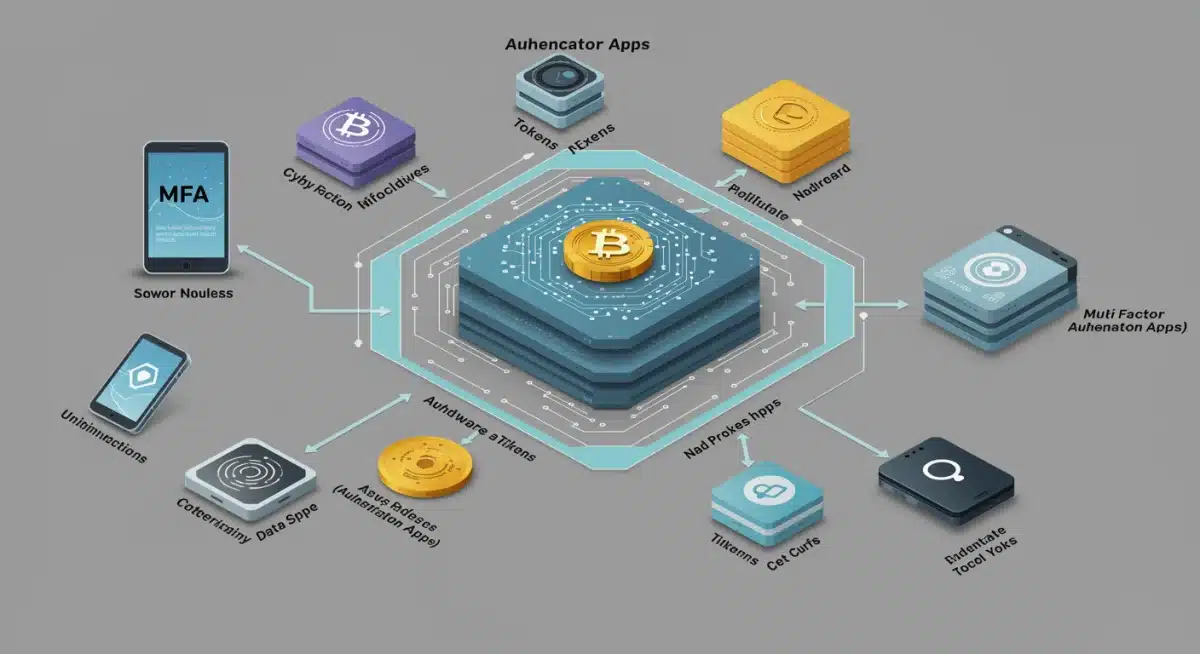
Software-Based MFA: Authenticator Apps and SMS
Authenticator apps, such as Google Authenticator or Authy, generate time-based one-time passwords (TOTP) that refresh every 30-60 seconds. These are widely used and offer a good balance of security and convenience. SMS-based MFA, while convenient, is generally considered less secure due to vulnerabilities like SIM swapping, making it a less preferred option for high-value crypto assets.
- Authenticator Apps: Generate rotating codes on your device, independent of network connectivity, offering stronger protection than SMS.
- SMS (Text Message) Codes: Codes sent to your registered phone number. While easy to use, they are susceptible to SIM swapping attacks.
While software-based MFA is accessible, it’s important to secure the device running the authenticator app. Losing the device or having it compromised can still pose a risk. Therefore, combining software-based MFA with other methods is often recommended for enhanced protection.
Hardware Security Keys: The Gold Standard
Hardware security keys, like those conforming to the FIDO U2F or FIDO2 standards (e.g., YubiKey, Ledger, Trezor), are often considered the most secure form of MFA for crypto. These physical devices plug into your computer or connect wirelessly and require a physical touch or presence to authenticate. They are resistant to phishing and malware because the authentication process occurs directly on the device, separate from your computer.
- Physical Tamper Resistance: Designed to prevent unauthorized access or modification.
- Phishing Resistance: Hardware keys verify the origin of the login request, preventing authentication to fake websites.
- Offline Security: Many hardware wallets can store private keys offline, protecting them from online threats.
For users holding significant amounts of cryptocurrency, hardware keys offer an unparalleled level of security. They introduce a physical barrier that is extremely difficult for remote attackers to bypass, making them an indispensable tool for serious crypto investors.
Implementing Top-Tier MFA for US Crypto Wallets
Implementing top-tier MFA for crypto wallets in the US involves strategic planning and consistent execution. It’s not just about enabling MFA, but about choosing the right methods and integrating them effectively into your digital security routine. The goal is to create a layered defense that protects against a wide array of cyber threats.
Best Practices for Wallet Security
Beyond simply enabling MFA, several best practices can significantly bolster the security of your crypto holdings. These include using unique, strong passwords, regularly updating software, and being wary of unsolicited communications.
- Strong, Unique Passwords: Use a complex password for each crypto service and wallet, preferably generated and stored in a password manager.
- Regular Software Updates: Keep your operating system, browser, and wallet software updated to patch known vulnerabilities.
- Beware of Phishing: Always double-check URLs and sender identities before clicking links or entering credentials.
- Backup Your Seeds/Private Keys: Store recovery phrases or private keys offline in a secure, physically protected location.
Adopting these habits creates a robust security posture. It ensures that even if one layer of defense is breached, multiple other layers are in place to prevent unauthorized access to your digital assets. This comprehensive approach is crucial for maintaining confidence in the crypto ecosystem.
The Future of Crypto Security: Reducing Risk by 85% by 2025
The ambitious goal of reducing crypto-related security risks by 85% by 2025 in the US is achievable through a combination of technological advancements, user education, and widespread adoption of robust security protocols like MFA. This reduction will not happen by chance but through concerted efforts from individuals, platforms, and regulatory bodies.
Technological Advancements and Industry Standards
Innovation in security technology, such as advanced biometric authentication, quantum-resistant cryptography, and decentralized identity solutions, will play a significant role. Industry standards, like those promoted by the FIDO Alliance, will continue to drive the adoption of more secure authentication methods. Exchange platforms and wallet providers are also investing heavily in enhancing their security infrastructures.
Furthermore, regulatory frameworks within the US are evolving to address the unique challenges of digital assets. Clearer guidelines and enforcement will encourage platforms to implement higher security standards and educate users on best practices. This collaborative effort is essential for building a safer crypto environment.
User education is equally critical. Empowering individuals with the knowledge and tools to protect their assets will significantly reduce the success rate of cyberattacks. Workshops, online resources, and clear communication from crypto platforms are vital components of this educational push. Together, these elements form a strong foundation for achieving the 85% risk reduction target.
Challenges and Considerations for Widespread MFA Adoption
Despite the clear benefits, widespread adoption of MFA in the crypto space faces several challenges. These include user convenience, technical complexity, and the need for continuous adaptation to new threats. Addressing these challenges is key to achieving the ambitious security goals.
Balancing Security and User Experience
One of the primary hurdles is finding the right balance between security and user experience. Overly complex MFA processes can deter users, leading to bypasses or abandonment. Developers are constantly working on more intuitive and seamless MFA integrations that offer strong protection without sacrificing usability. This includes features like passkeys and biometric logins that simplify the authentication process.
Another consideration is the technical understanding required for some MFA methods, particularly hardware wallets. While highly secure, they can be intimidating for novice users. Educational resources and simplified interfaces are crucial for making these advanced security tools accessible to a broader audience. The industry must prioritize user-friendly solutions to encourage broader adoption.
Finally, the dynamic nature of cyber threats means that MFA strategies must continuously evolve. What is secure today may not be tomorrow. Regular security audits, threat intelligence sharing, and agile development cycles are essential for staying ahead of malicious actors. This ongoing commitment to security innovation will be vital for protecting US crypto wallets in the long term.
| Key Point | Brief Description |
|---|---|
| MFA Importance | Crucial for protecting US crypto wallets against evolving cyber threats, adding layers of verification beyond passwords. |
| MFA Methods | Includes authenticator apps, SMS codes (less secure), and highly recommended hardware security keys. |
| Risk Reduction Goal | Aiming for an 85% reduction in crypto security risks by 2025 through combined efforts in tech and user education. |
| Implementation | Requires strategic planning, best practices, and continuous adaptation to balance security with user experience. |
Frequently Asked Questions About Crypto MFA
MFA is crucial for crypto wallets because transactions are often irreversible. It adds multiple layers of verification, significantly reducing the risk of unauthorized access and theft of digital assets, even if a password is compromised.
Hardware security keys (like YubiKey, Ledger, Trezor) are considered the most secure MFA for crypto, offering strong resistance to phishing and malware. Authenticator apps provide good security too, but SMS-based MFA is less secure.
While MFA significantly boosts security, no single solution can prevent all attacks. It’s a critical component of a comprehensive security strategy that includes strong passwords, software updates, and vigilance against phishing scams.
Begin by enabling MFA on all your crypto exchanges and wallets. Prioritize using authenticator apps or, ideally, a hardware security key. Always ensure you have secure backups of your recovery phrases.
User education is vital. Empowering individuals with knowledge about cyber threats and best security practices, including MFA, significantly reduces the effectiveness of attacks. Informed users are the first line of defense against crypto theft.
Conclusion
The journey towards a more secure cryptocurrency ecosystem in the United States is deeply intertwined with the widespread adoption and effective implementation of Multi-Factor Authentication. By embracing MFA, crypto holders can significantly fortify their digital defenses, moving closer to the ambitious goal of an 85% reduction in security risks by 2025. This collective effort, combining advanced technology with vigilant user practices, is essential for fostering trust and ensuring the continued growth and safety of the crypto landscape.