DeFi to GameFi: Sustainable Play-to-Earn Models for US Developers
U.S. developers can achieve sustainable play-to-earn models with 10% higher retention by 2026 by strategically integrating DeFi principles into GameFi, focusing on robust tokenomics, community governance, and user-centric design within Web3 innovations.
The landscape of digital entertainment is undergoing a profound transformation, and at its forefront lies the convergence of decentralized finance (DeFi) and gaming. For U.S. developers, understanding and leveraging these Web3 innovations is paramount to creating sustainable play-to-earn models that can achieve a 10% higher retention rate in 2026. This article delves into the practical solutions available to build engaging and economically viable blockchain games, ensuring long-term player commitment and success.
Understanding the evolution from DeFi to GameFi
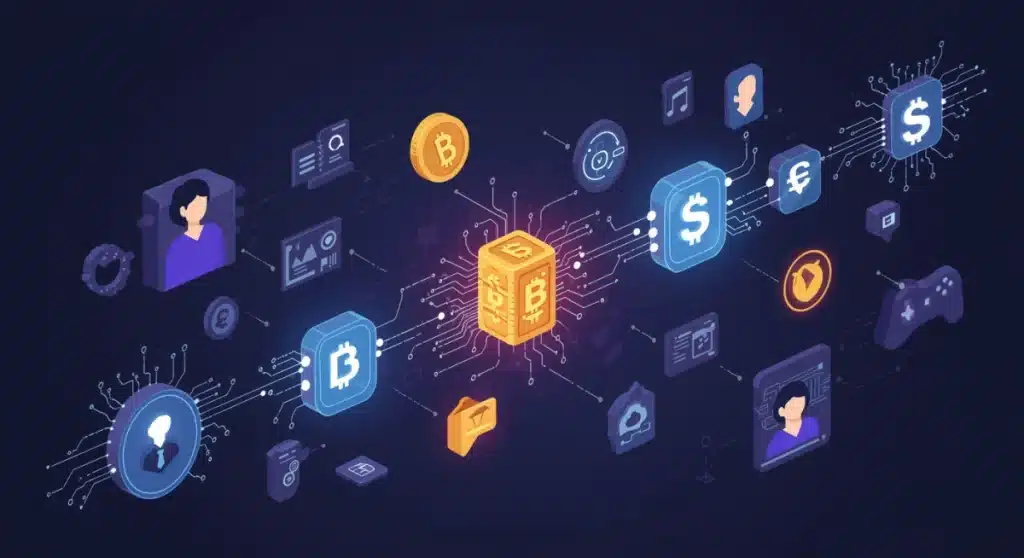
The journey from DeFi to GameFi represents a natural progression in the application of blockchain technology. DeFi pioneered the concept of financial services without intermediaries, demonstrating the power of decentralization and smart contracts. GameFi takes these core principles and applies them to gaming, allowing players to own in-game assets, participate in governance, and earn real-world value through their engagement.
This evolution has not been without its challenges, particularly in maintaining economic stability and player retention. Early play-to-earn (P2E) models often struggled with speculative economies and a lack of intrinsic game value, leading to unsustainable growth and eventual decline. The key to future success lies in learning from these experiences and implementing robust, player-centric strategies.
The foundational pillars of Web3 gaming
At its heart, Web3 gaming is built upon several foundational pillars that differentiate it from traditional gaming. These pillars enable true digital ownership, transparent economies, and community-driven development, all crucial for fostering long-term engagement.
- True Asset Ownership: Players genuinely own their in-game items, characters, and virtual land as non-fungible tokens (NFTs), which can be traded, sold, or used across different platforms.
- Decentralized Governance: Through Decentralized Autonomous Organizations (DAOs), players can have a say in the game’s development, economic policies, and future direction, fostering a sense of ownership and community.
- Transparent Economies: All transactions and asset flows are recorded on a public blockchain, ensuring transparency and reducing the risk of fraud or manipulation.
By understanding these foundational elements, U.S. developers can begin to architect GameFi experiences that resonate with players seeking more than just entertainment – they seek genuine value and influence.
Designing robust tokenomics for long-term sustainability
Tokenomics is the economic backbone of any successful GameFi project, directly impacting player retention and the overall health of the ecosystem. A poorly designed tokenomics model can lead to hyperinflation, market crashes, and ultimately, player exodus. Conversely, a well-thought-out system can create a virtuous cycle of engagement and value accrual.
For U.S. developers aiming for a 10% higher retention rate in 2026, the focus must be on creating balanced token distribution, clear utility for in-game tokens, and effective burn mechanisms to manage supply. This requires a deep understanding of economic principles and user behavior.
Balancing inflation and deflation in GameFi economies
One of the most critical aspects of tokenomics is managing the delicate balance between inflation and deflation. Inflation occurs when too many tokens are minted without sufficient demand or utility, devaluing existing tokens. Deflation, while seemingly positive, can also be problematic if it stifles new player entry or makes the game economy too rigid.
Sustainable models often employ dual-token systems: one governance token with limited supply and one utility token with a more elastic supply. The utility token is earned through gameplay and spent on in-game actions, while the governance token provides voting rights and accrues value from the ecosystem’s success.
Incorporating mechanisms that incentivize long-term holding, such as staking rewards or exclusive in-game content for governance token holders, can significantly improve retention. Furthermore, integrating a portion of transaction fees or in-game purchases into a treasury managed by the DAO can fund future development and marketing, further solidifying the ecosystem’s stability.
Leveraging Web3 innovations for enhanced player engagement
Simply putting NFTs into a game does not guarantee success. True innovation lies in how Web3 technologies are integrated to create deeper, more meaningful player experiences that foster loyalty. This includes dynamic NFTs, interoperability, and community-driven content creation.
Dynamic NFTs, for instance, can change their appearance or attributes based on player achievements, time, or external data, adding a layer of personalization and progression that static NFTs lack. This creates a stronger emotional connection between players and their digital assets.
Interoperability and the open metaverse
The vision of an open metaverse, where assets and identities can seamlessly move between different games and platforms, is a powerful draw for players. U.S. developers should explore ways to make their in-game assets interoperable, allowing players to utilize their NFTs in other compatible Web3 experiences. This expands the utility and value of player assets, increasing their willingness to invest time and resources into the game.
- Cross-Game Asset Utility: Design NFTs that can be used in multiple games or virtual worlds, enhancing their perceived value.
- Identity Portability: Allow players to carry their digital identities and reputations across different platforms, building a persistent online persona.
- Shared Economic Infrastructure: Explore collaborations with other GameFi projects to create shared liquidity pools or marketplaces, fostering a broader Web3 economy.
By embracing interoperability, developers not only enhance player engagement but also contribute to a more expansive and interconnected Web3 ecosystem, which benefits all participants.
Building strong community and governance structures
Community is the lifeblood of any successful Web3 project, and GameFi is no exception. A strong, engaged community can drive adoption, provide valuable feedback, and even contribute to content creation. Decentralized Autonomous Organizations (DAOs) offer a powerful framework for empowering players and fostering a sense of collective ownership.
For U.S. developers, establishing clear governance frameworks from the outset is crucial. This includes defining voting rights, proposal mechanisms, and transparent communication channels. Giving players a real voice in the game’s future can significantly boost retention rates, as they become invested stakeholders rather than mere consumers.
Empowering players through DAO governance
DAOs enable players to vote on critical decisions, such as game updates, new features, economic adjustments, and even treasury management. This level of participation transforms players into co-creators and co-owners, fostering a deeper connection to the game.
However, effective DAO governance requires careful design to prevent manipulation and ensure informed decision-making. This might involve tiered voting systems, educational initiatives for token holders, and robust proposal review processes. The goal is to balance broad participation with efficient decision-making.
Implementing effective player retention strategies for 2026
Achieving a 10% higher retention rate by 2026 in GameFi demands a multi-faceted approach that goes beyond mere tokenomics. It involves creating genuinely fun and engaging gameplay, continuous content updates, and personalized player experiences. The speculative nature of early P2E games often overshadowed the importance of core gameplay, a mistake that modern GameFi developers must avoid.
U.S. developers should focus on blending traditional game design principles with Web3 innovations. This means prioritizing enjoyable mechanics, compelling narratives, and high-quality graphics, while seamlessly integrating blockchain elements like NFTs and token rewards.
Beyond financial incentives: intrinsic motivation
While earning potential is a significant draw for P2E games, long-term retention hinges on intrinsic motivation. Players stay because they enjoy the game, find it challenging, and feel a sense of accomplishment. Financial rewards should complement, not replace, these core gaming experiences.
Strategies to foster intrinsic motivation include:
- Compelling Gameplay Loops: Design engaging core mechanics that provide continuous challenges and rewards.
- Narrative Depth: Create rich lore and storylines that players can immerse themselves in.
- Social Features: Implement robust multiplayer functionalities, guilds, and social interactions to build community bonds.
- Personalized Experiences: Use data analytics (while respecting privacy) to tailor content, challenges, and rewards to individual player preferences.
By focusing on these aspects, developers can cultivate a loyal player base that remains engaged even during market fluctuations, securing higher retention rates.
Navigating regulatory landscapes and compliance for U.S. developers
The regulatory environment for Web3 innovations in the U.S. is complex and constantly evolving. For developers building GameFi projects, understanding and complying with these regulations is not optional; it is critical for long-term viability and avoiding legal pitfalls. This includes securities laws, anti-money laundering (AML) regulations, and consumer protection laws.
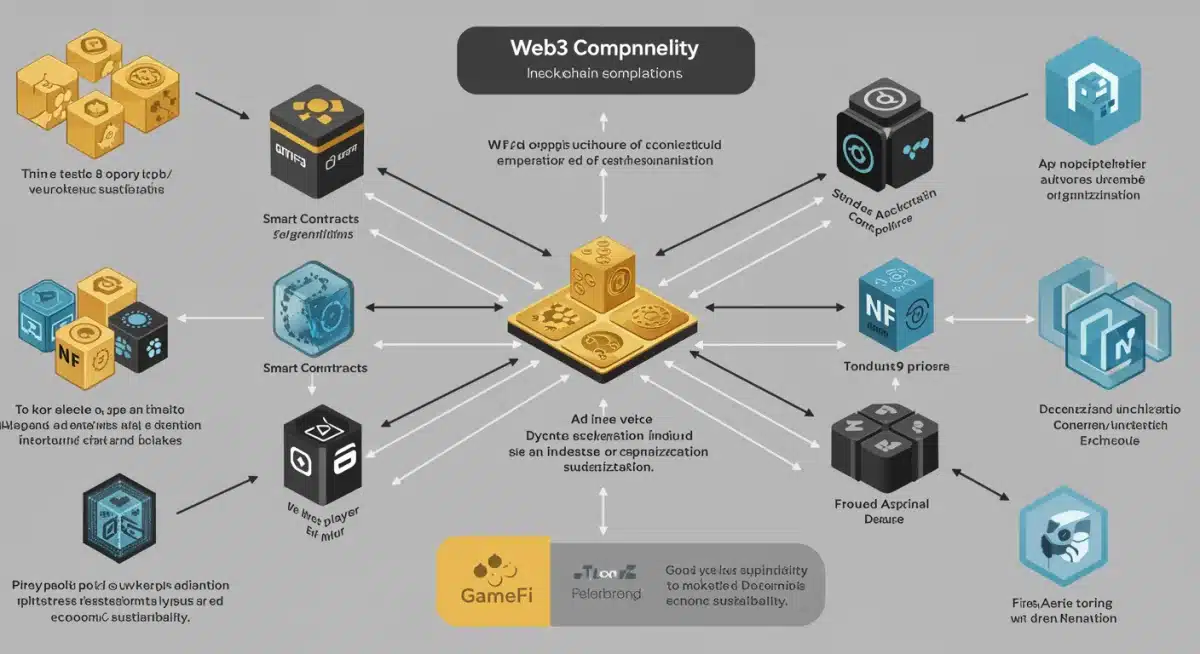
Early engagement with legal counsel specializing in blockchain and digital assets is highly recommended. Proactive compliance can prevent costly legal battles and reputational damage, ensuring a smoother path to market and sustained growth.
Securities laws and token classification
One of the primary challenges for U.S. GameFi developers is the classification of in-game tokens and NFTs. Depending on their characteristics and how they are offered, these digital assets could be deemed securities by the Securities and Exchange Commission (SEC). This has significant implications for how they can be marketed, sold, and traded.
Developers must carefully consider the utility, decentralization, and profit expectation associated with their tokens. Designing tokens primarily for in-game utility, with limited speculative potential and robust decentralization, can help mitigate securities classification risks. Transparency with players about the nature of these assets is also crucial.
Staying informed about legislative developments and industry best practices will be essential for U.S. developers to thrive in the Web3 gaming space. Compliance builds trust with players and regulators alike, forming a solid foundation for sustainable growth.
| Key Solution | Brief Description |
|---|---|
| Robust Tokenomics | Implement dual-token systems and effective burn mechanisms for economic stability and long-term value. |
| Enhanced Player Engagement | Utilize dynamic NFTs, interoperability, and compelling gameplay to foster intrinsic motivation. |
| Community Governance | Empower players through DAOs, giving them a voice in game development and treasury management. |
| Regulatory Compliance | Proactively navigate U.S. securities and AML laws to ensure legal and operational stability. |
Frequently asked questions about GameFi and DeFi for U.S. developers
DeFi (Decentralized Finance) focuses on financial applications like lending, borrowing, and trading without intermediaries. GameFi (Gaming Finance) integrates these financial elements into gaming, allowing players to earn real value through gameplay, asset ownership via NFTs, and participation in game economies and governance.
Sustainability in GameFi requires robust tokenomics with balanced inflation/deflation, compelling gameplay that fosters intrinsic motivation, strong community governance through DAOs, and continuous content updates. Avoiding purely speculative economic models is crucial for long-term player retention and ecosystem health.
NFTs provide true ownership of in-game assets, which can be traded, upgraded, or used across different games, increasing their value and utility. Dynamic NFTs that evolve with player actions or time can create deeper emotional connections, fostering stronger engagement and loyalty over time.
U.S. developers face challenges primarily concerning the classification of in-game tokens and NFTs as securities by the SEC. Compliance with anti-money laundering (AML) laws and consumer protection regulations is also critical. Proactive legal consultation is essential to navigate these complex regulatory landscapes.
Community governance, often facilitated by DAOs, empowers players to participate in decision-making regarding game development, economic policies, and future direction. This fosters a sense of ownership and investment, transforming players into stakeholders and significantly boosting long-term engagement and retention rates.
Conclusion
The convergence of DeFi and GameFi presents an unprecedented opportunity for U.S. developers to innovate and redefine the gaming industry. By focusing on practical solutions such as robust tokenomics, enhanced player engagement through Web3 innovations, strong community governance, and proactive regulatory compliance, developers can build sustainable play-to-earn models. These strategies are not just about creating games; they are about fostering thriving digital economies and communities capable of achieving and surpassing a 10% higher retention rate by 2026, setting a new standard for the future of interactive entertainment.