Real-World Assets on Blockchain: US Investor Guide 2026
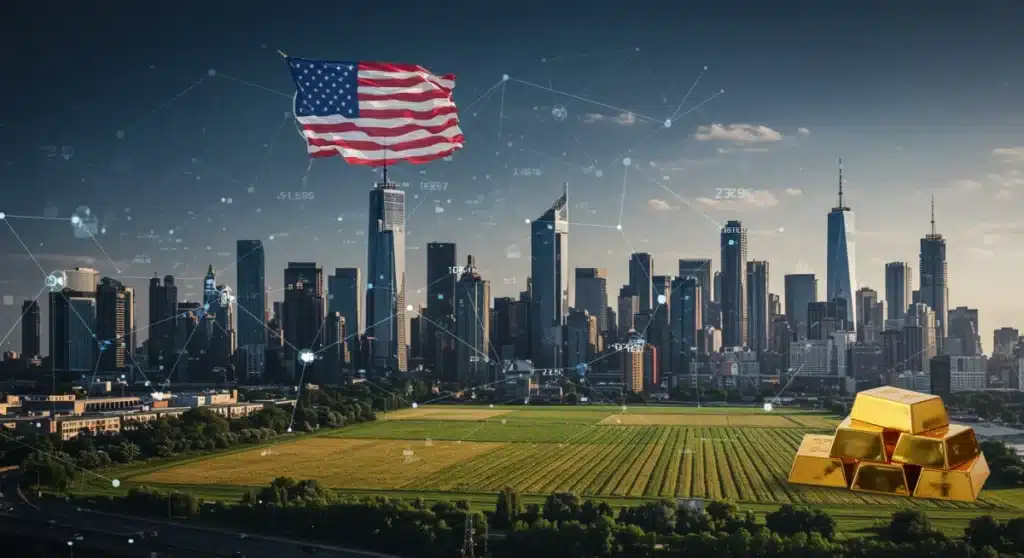
Real-World Assets (RWAs) on Blockchain: How US Investors Can Gain Exposure in 2026
The financial landscape is undergoing a profound transformation, driven by the relentless march of technological innovation. Among the most compelling developments is the emergence of Real-World Assets (RWAs) on blockchain. For US investors, understanding and strategically positioning themselves within this nascent yet rapidly expanding sector is not just an opportunity; it’s becoming a necessity for diversified portfolios and future growth. By 2026, the integration of RWAs into blockchain ecosystems is projected to mature significantly, offering unprecedented avenues for exposure. This comprehensive guide will delve into what RWAs are, why their tokenization on blockchain matters, and crucially, how US investors can navigate this exciting new frontier.
What Exactly Are Real-World Assets (RWAs)?
Real-World Assets, or RWAs, refer to any tangible or intangible asset that exists outside the digital realm of cryptocurrencies and traditional finance, yet can be represented or ‘tokenized’ on a blockchain. Think of it as bridging the gap between the physical and digital worlds. These assets are diverse and encompass a vast spectrum, from the mundane to the highly sophisticated.
Categories of Real-World Assets
- Tangible Assets: These are physical assets that you can touch and feel. Examples include real estate (residential, commercial, industrial), precious metals (gold, silver, platinum), commodities (oil, gas, agricultural products), art, collectibles, and even luxury goods like high-end watches or vintage cars. The inherent value of these assets is often stable and historically recognized, making them attractive candidates for tokenization.
- Intangible Assets: These assets lack a physical form but still hold significant economic value. This category includes intellectual property (patents, copyrights, trademarks), carbon credits, royalties from music or film, private equity stakes, private credit, and even future revenue streams from businesses. Their value is often derived from legal rights, market demand, or future earning potential.
- Financial Assets: While often existing in digital form already, traditional financial assets like bonds, stocks, and various debt instruments can also be tokenized on a blockchain. This process aims to enhance liquidity, reduce settlement times, and lower transaction costs compared to traditional financial markets.
The Significance of Tokenization
Tokenization is the process of converting the rights to an asset into a digital token on a blockchain. Each token represents a fractional or whole ownership of the underlying RWA. This process isn’t just about creating a digital twin; it’s about embedding the asset’s ownership, rights, and value into a secure, transparent, and immutable ledger – the blockchain. This fundamentally alters how these assets can be owned, transferred, and managed.
Why Tokenize Real-World Assets on Blockchain? The Value Proposition for US Investors
The tokenization of RWAs is not merely a technological novelty; it offers a compelling suite of benefits that address long-standing inefficiencies and limitations within traditional financial markets. For RWA US investors, these advantages translate into new investment opportunities and improved market access.
Enhanced Liquidity
Many traditional RWAs, such as real estate or private equity, are inherently illiquid. Selling these assets can be a lengthy, complex, and costly process. Tokenization allows for fractional ownership, meaning an asset can be divided into many smaller, easily tradable tokens. This dramatically increases liquidity, as investors can buy or sell smaller portions of an asset without needing to find a single buyer for the entire asset. This is a game-changer for previously inaccessible markets.
Fractional Ownership and Accessibility
The high entry barriers for many valuable RWAs (e.g., a multi-million dollar commercial property or a rare piece of art) often exclude a large segment of investors. Tokenization democratizes access by enabling fractional ownership. A US investor can purchase a token representing a small percentage of a skyscraper, an art piece, or a portfolio of private credit. This lowers the capital required to participate, opening up diversified investment opportunities to a broader audience.
Increased Transparency and Security
Blockchain’s core tenets of transparency and immutability are highly beneficial for RWAs. All transactions and ownership records are recorded on a public, distributed ledger, making them verifiable and resistant to tampering. This reduces the need for costly intermediaries, minimizes fraud, and provides a clear audit trail. Smart contracts can automate many aspects of asset management and transfer, ensuring agreed-upon terms are executed without human intervention.
Reduced Costs and Faster Settlement
Traditional asset transactions involve numerous intermediaries (brokers, lawyers, banks, custodians), each adding fees and time to the process. Blockchain-based RWA transactions can significantly streamline these processes, reducing administrative overheads and transaction costs. Settlement times, which can take days or weeks in traditional finance, can be reduced to minutes or even seconds on a blockchain.
Global Access and Interoperability
Blockchain platforms are inherently global. Tokenized RWAs can be traded across borders more easily than their traditional counterparts, expanding the potential investor base and market reach. Furthermore, as blockchain technology evolves, interoperability between different chains will allow for even greater flexibility and integration with other digital financial products.
The Current Landscape: RWAs and Blockchain in 2024-2025
While the concept of tokenizing RWAs has been around for some time, the years 2024-2025 are proving to be pivotal. We are seeing increased institutional interest, clearer regulatory discussions, and the emergence of more robust technological infrastructure. For RWA US investors, this period is crucial for understanding the foundational shifts.
Early Adopters and Use Cases
- Real Estate: Projects are emerging that tokenize commercial and residential properties, allowing investors to participate in real estate markets with smaller capital outlays.
- Precious Metals: Stablecoins backed by physical gold are a simple form of RWA tokenization, offering digital access to a traditional safe-haven asset.
- Private Credit and Debt: This is a rapidly growing area, with platforms tokenizing private loans, invoices, and other debt instruments, providing alternative financing options and new yield opportunities for investors.
- Carbon Credits: Tokenization of carbon credits aims to bring greater transparency and efficiency to environmental markets, making it easier for companies and individuals to offset their carbon footprint.
Technological Advancements
The underlying blockchain technology is becoming more sophisticated. Layer-2 solutions are improving scalability and reducing transaction costs. New oracle networks are enhancing the reliable transfer of off-chain data (like asset valuations or legal statuses) to the blockchain. Furthermore, advancements in identity verification and regulatory compliance tools are making RWA platforms more robust and trustworthy.
Regulatory Developments in the US
The regulatory environment for RWAs in the US is still evolving but is gaining clarity. Regulators like the SEC and FINRA are keenly observing the space, with discussions focusing on how existing securities laws apply to tokenized assets. The classification of a tokenized RWA as a security, commodity, or other financial instrument will significantly impact its trading, custody, and compliance requirements. For RWA US investors, staying informed about these developments is paramount.
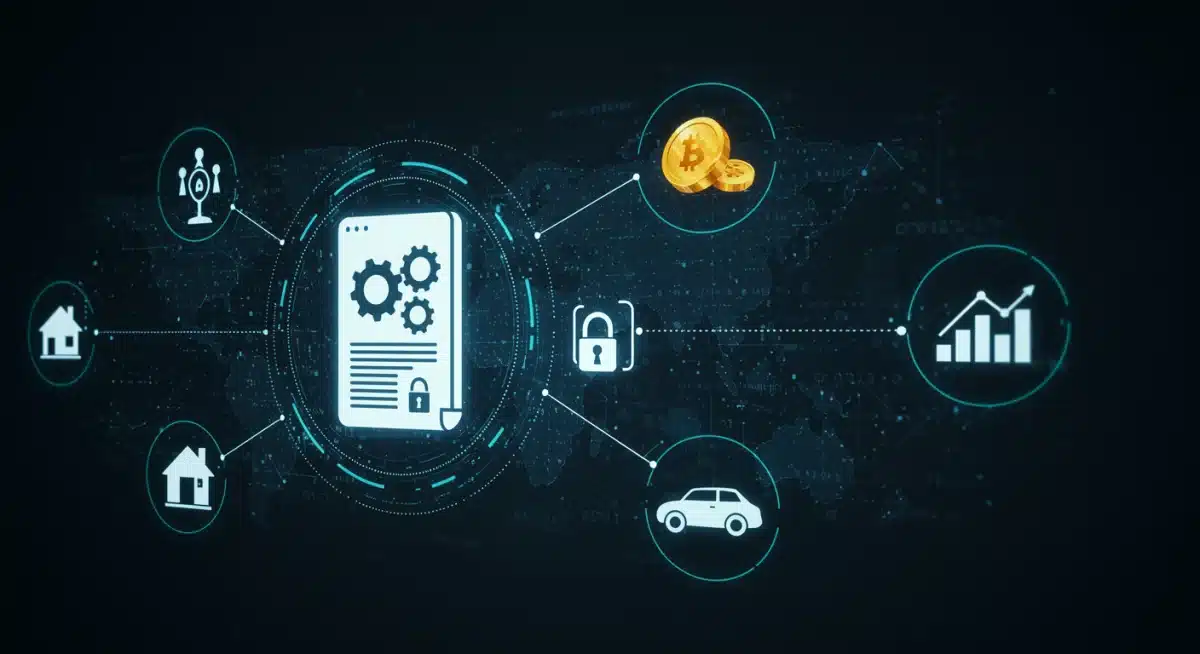
Strategies for US Investors to Gain Exposure to RWAs by 2026
As we look towards 2026, the pathways for RWA US investors to gain exposure will become more defined and diverse. Here are several strategies to consider:
1. Direct Investment via Tokenization Platforms
This is arguably the most straightforward method. Several platforms are emerging that specialize in tokenizing specific types of RWAs. These platforms act as intermediaries, handling the legal, compliance, and technical aspects of tokenization. Investors can browse offerings, conduct due diligence, and purchase tokens representing fractional ownership in assets like real estate, art, or private credit.
- Due Diligence is Key: Thoroughly vet the platform, the underlying asset, the legal framework, and the regulatory compliance. Understand the risks associated with the specific asset and the tokenization process itself.
- Accredited Investor Requirements: Many initial RWA offerings, especially for less liquid or more complex assets, may be restricted to accredited investors in the US due to existing securities regulations. Be aware of these limitations.
- Custody Solutions: Understand how your tokenized assets will be custodied. Are they held by the platform, a third-party custodian, or do you have self-custody options?
2. Investing in Protocols and Infrastructure Projects Facilitating RWA Tokenization
Instead of directly buying tokenized assets, investors can gain exposure by investing in the companies or blockchain protocols that are building the infrastructure for RWAs. This could involve:
- Native Tokens of RWA Protocols: Some blockchain protocols are specifically designed to facilitate RWA tokenization and trading. Their native tokens might derive value from network usage, governance rights, or staking mechanisms.
- Equity in RWA-focused Startups: Investing in private companies that are developing RWA tokenization platforms, compliance solutions, or oracle services. This is a higher-risk, higher-reward strategy often reserved for venture capital or angel investors.
- Decentralized Finance (DeFi) Protocols Utilizing RWAs: Some DeFi lending protocols are beginning to accept tokenized RWAs as collateral. Investing in the native tokens of these protocols could offer exposure to the RWA trend indirectly.
3. Exchange-Traded Funds (ETFs) and Other Regulated Products (Future Outlook)
As the RWA market matures and regulatory clarity improves, it is highly probable that traditional financial products, such as Exchange-Traded Funds (ETFs) or other structured products, will emerge. These products would offer a more familiar and regulated entry point for retail and institutional RWA US investors.
- Benefits: Ease of access, regulatory oversight, liquidity from traditional exchanges, and professional management.
- Challenges: This development is contingent on significant regulatory progress and institutional adoption, which may take time beyond 2026 for widespread availability.
4. Participating in Decentralized Autonomous Organizations (DAOs) Focused on RWAs
Some DAOs are forming with the explicit purpose of acquiring and managing a portfolio of tokenized RWAs. Participating in such a DAO, either by holding its governance tokens or contributing to its treasury, could offer a collective investment approach to RWAs. This strategy combines the benefits of fractional ownership with community-driven decision-making.
5. Exploring Stablecoins Backed by Traditional Assets
While not direct RWA investment in the sense of fractional ownership of diverse assets, stablecoins backed by fiat currency (like USDC or USDT) or precious metals (like PAX Gold) serve as a fundamental bridge. They provide a stable on-ramp and off-ramp between traditional finance and the crypto ecosystem, and their underlying reserves are, by definition, real-world assets. Understanding and utilizing these stablecoins is often a prerequisite for engaging with other tokenized RWAs.
Key Considerations and Challenges for US Investors
While the opportunities are vast, RWA US investors must be aware of the inherent challenges and risks in this nascent sector.
Regulatory Uncertainty and Compliance
The regulatory landscape is the single largest hurdle. The classification of tokenized assets, jurisdictional differences, and evolving compliance requirements (KYC/AML) create complexity. US investors must ensure any platform or investment they choose adheres to relevant US securities laws and financial regulations.
Legal Framework and Enforcement
The legal enforceability of tokenized ownership rights is critical. While a token represents ownership, the underlying legal claim to the physical asset must be robust and recognized by traditional legal systems. This often involves complex legal structures, trusts, or special purpose vehicles (SPVs) to link the digital token to the physical asset.
Valuation and Pricing
Valuing illiquid RWAs can be challenging, and tokenization doesn’t magically solve this. Reliable oracles are needed to bring accurate, real-time pricing data of the underlying physical assets onto the blockchain. Transparency in valuation methodologies is crucial.
Technological Risks
Blockchain technology, while secure, is not without risks. Smart contract vulnerabilities, platform hacks, and protocol failures can lead to significant losses. Investors must assess the security audits and track record of any platform they use.
Custody and Security of Tokens
Just like with cryptocurrencies, the security of your tokenized RWA holdings is paramount. Whether you opt for self-custody with a hardware wallet or rely on a regulated custodian, understanding the security protocols is essential.
Market Volatility and Liquidity Risks
While tokenization aims to improve liquidity, some tokenized RWAs, especially in the early stages, may still face liquidity challenges. Market demand for specific tokenized assets can fluctuate, affecting their price and ease of exit.
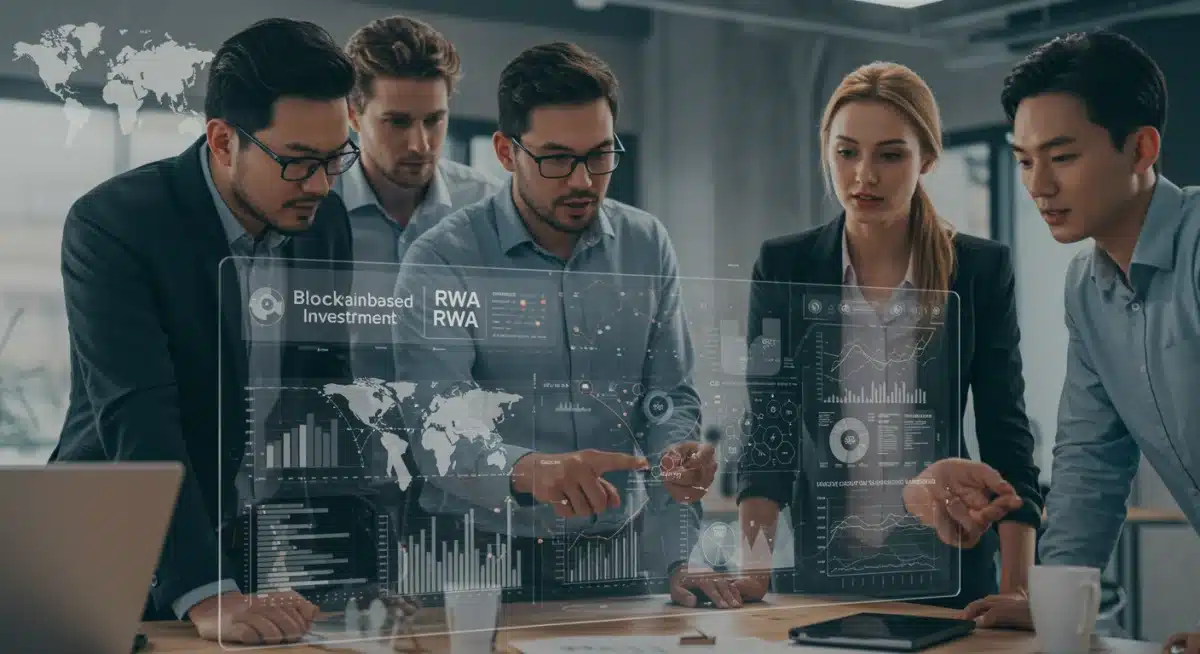
The Future of RWAs for US Investors by 2026 and Beyond
By 2026, the landscape for RWA US investors is expected to be significantly more mature and accessible. We anticipate several key trends:
Increased Institutional Participation
Major financial institutions, including banks, asset managers, and investment funds, are already exploring RWA tokenization. By 2026, many will have launched their own tokenized products or integrated RWA platforms into their offerings, bringing substantial capital and legitimacy to the sector.
Greater Regulatory Clarity
While a full, harmonized regulatory framework might still be a few years away, significant progress is expected in the US by 2026. This clarity will reduce uncertainty, encourage innovation, and provide a safer environment for both issuers and investors.
Standardization and Interoperability
The industry will likely move towards greater standardization in tokenization principles, legal frameworks, and technical specifications. This will improve interoperability between different blockchain networks and RWA platforms, creating a more seamless and efficient market.
Diversification of Tokenized Assets
The range of tokenized RWAs will expand beyond current offerings. We could see more esoteric assets, complex financial instruments, and even new forms of digital rights being tokenized, offering investors an even broader spectrum of choices.
Integration with DeFi and Traditional Finance
The lines between Decentralized Finance (DeFi) and traditional finance (TradFi) will continue to blur. Tokenized RWAs will serve as crucial collateral in DeFi protocols, and conversely, TradFi institutions will leverage blockchain for faster settlement and lower costs, creating a hybrid financial ecosystem.
Conclusion: Seizing the RWA Opportunity
The tokenization of Real-World Assets on blockchain represents one of the most exciting and transformative trends in finance. For RWA US investors, the period leading up to and including 2026 offers a unique window to participate in the early stages of a revolution that promises to unlock liquidity, democratize access, and enhance the efficiency of global markets.
While challenges related to regulation, technology, and market maturity persist, the direction of travel is clear. By understanding the fundamentals of RWAs, exploring available platforms, and staying informed about the evolving regulatory landscape, US investors can strategically position themselves to capitalize on the immense potential of this burgeoning asset class. The future of finance is digital, and Real-World Assets on blockchain are poised to be a cornerstone of that future. Prepare now to secure your stake in this innovative evolution.