Top 3 Altcoin Ecosystems for Web3 Gaming: A 2024-2025 Outlook
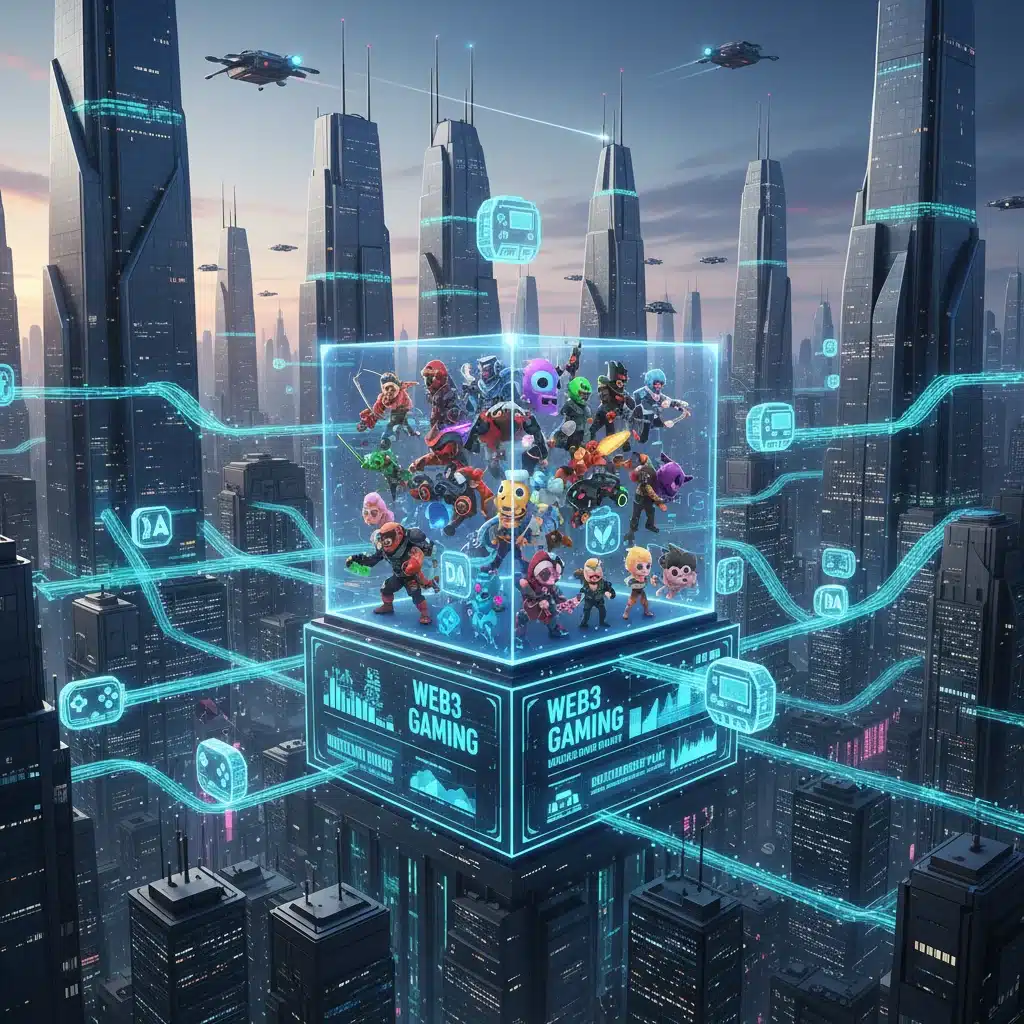
The convergence of blockchain technology and the gaming industry has birthed a revolutionary paradigm: Web3 gaming. This nascent sector promises to redefine player ownership, monetization, and community engagement, moving beyond traditional models to empower gamers with genuine digital asset ownership. As we look ahead to the next 18 months, several altcoin ecosystems are strategically positioning themselves to become the foundational infrastructure for this exciting evolution. Identifying the leading Web3 Gaming Altcoins and their respective ecosystems is crucial for both developers and enthusiasts seeking to understand where the most significant innovation and growth will occur.
Web3 gaming is not merely a fleeting trend; it represents a fundamental shift in how games are created, distributed, and played. It leverages decentralized technologies to offer features like true ownership of in-game assets (NFTs), transparent economies, and player-driven governance (DAOs). This shift is attracting massive investment, talent, and, most importantly, a growing user base eager for more immersive and rewarding gaming experiences. However, the success of Web3 gaming hinges on robust, scalable, and developer-friendly blockchain infrastructure. This article will delve into the top three altcoin ecosystems that are currently dominating the Web3 gaming development landscape and are set to shape its future through 2025.
The selection of an underlying blockchain is paramount for Web3 game developers. Factors such as transaction speed, cost (gas fees), security, scalability, developer tools, and community support all play a critical role. The ecosystems we will explore have demonstrated a strong commitment to catering to these specific needs, offering compelling solutions that address the unique challenges of high-throughput, low-latency gaming environments. These are the platforms that are not just hosting games, but actively fostering vibrant developer communities and attracting significant venture capital, making them the frontrunners in the race to onboard the next generation of gamers into the decentralized world.
Understanding these ecosystems goes beyond merely knowing their names. It involves appreciating their architectural design, their strategic partnerships, and the innovative projects building upon them. Each of these altcoin networks brings a distinct set of advantages to the table, making them attractive for different types of Web3 games, from casual mobile experiences to complex AAA titles. As the Web3 gaming sector matures, the competition among these foundational layers will only intensify, driving further innovation and refinement in blockchain technology. Let’s dive into the top contenders shaping the future of Web3 Gaming Altcoins.
1. Polygon (MATIC): The Scalability Powerhouse for Web3 Gaming
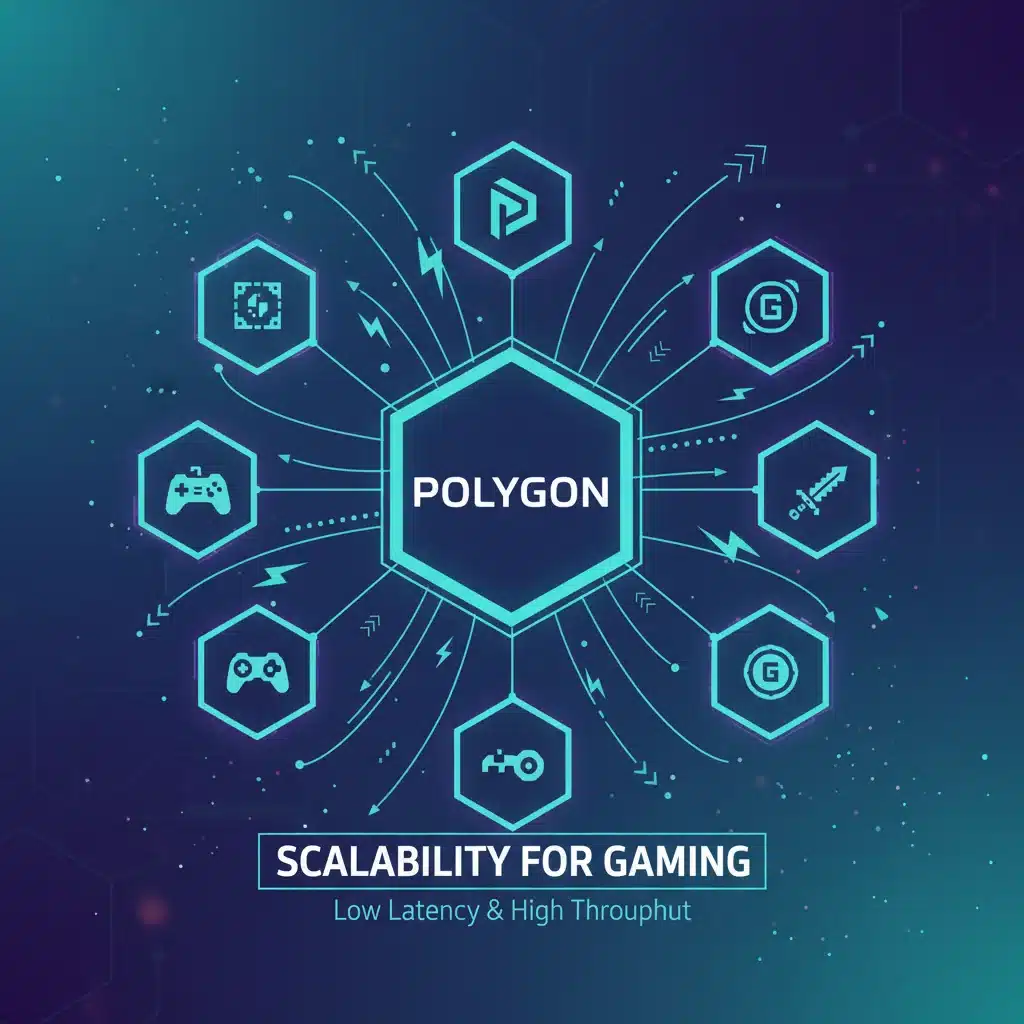
Polygon has firmly established itself as a leading contender in the Web3 gaming space, primarily due to its unwavering focus on scalability, low transaction fees, and strong developer support. As a layer-2 scaling solution for Ethereum, Polygon addresses many of the limitations that have historically hindered blockchain gaming on the mainnet, such as high gas costs and slow transaction finality. Its modular architecture and commitment to ZK-rollups position it as a future-proof platform for high-performance decentralized applications, including games.
Polygon’s Technological Edge for Gaming
At its core, Polygon offers a suite of scaling solutions, including the Polygon PoS (Proof-of-Stake) chain, Polygon zkEVM, and other forthcoming ZK-rollup technologies. The PoS chain, with its rapid block times and negligible transaction fees, has already attracted a significant number of gaming projects. This efficiency is critical for games that require frequent in-game transactions, such as item trading, character upgrades, or land purchases, without burdening players with prohibitive costs.
The introduction of Polygon zkEVM is a game-changer. It provides EVM compatibility, meaning developers can easily migrate existing Ethereum-based games or build new ones using familiar tools and languages, while benefiting from ZK-rollup’s superior scalability and security. This combination makes Polygon an incredibly attractive platform for developers looking to build complex and engaging Web3 games that can handle a large number of concurrent users and transactions.
Key Gaming Projects and Partnerships on Polygon
Polygon’s ecosystem boasts an impressive roster of Web3 gaming projects, ranging from established titles to highly anticipated new releases. Games like The Sandbox, Decentraland, and Aavegotchi have found a home on Polygon, leveraging its infrastructure for their in-game economies and NFT marketplaces. These projects demonstrate the platform’s versatility in supporting various gaming genres and mechanics.
Beyond individual games, Polygon has forged strategic partnerships with major traditional gaming companies and Web2 brands looking to enter the Web3 space. Companies like Starbucks, Reddit, and Disney have chosen Polygon for their NFT and Web3 initiatives, signaling a growing acceptance and confidence in the network’s capabilities. This influx of mainstream attention and development resources further solidifies Polygon’s position as a dominant player in the Web3 Gaming Altcoins arena. Its dedicated Polygon Studios initiative actively supports game developers with funding, technical assistance, and marketing, creating a fertile ground for innovation.
Future Outlook for Polygon in Web3 Gaming
Over the next 18 months, Polygon is expected to continue its aggressive expansion in Web3 gaming. The ongoing development and optimization of its ZK-rollup solutions will unlock even greater scalability and performance, allowing for more ambitious and graphically intensive games. The network’s commitment to interoperability and its broad developer community will also play a crucial role in attracting new projects and fostering cross-chain experiences. As more traditional game studios explore blockchain integration, Polygon’s proven track record and robust infrastructure make it a prime candidate for adoption, cementing its status as a top-tier ecosystem for Web3 Gaming Altcoins.
2. Avalanche (AVAX): High Performance and Customization for GameFi
Avalanche has emerged as another formidable force in the Web3 gaming landscape, distinguishing itself with its high-throughput architecture, low latency, and unique subnet functionality. These features make Avalanche particularly appealing for developers building performance-intensive games that demand rapid transaction finality and customizable blockchain environments. Its robust infrastructure offers a compelling alternative for those seeking an enterprise-grade solution for their GameFi projects.
Avalanche’s Architectural Advantages for Gaming
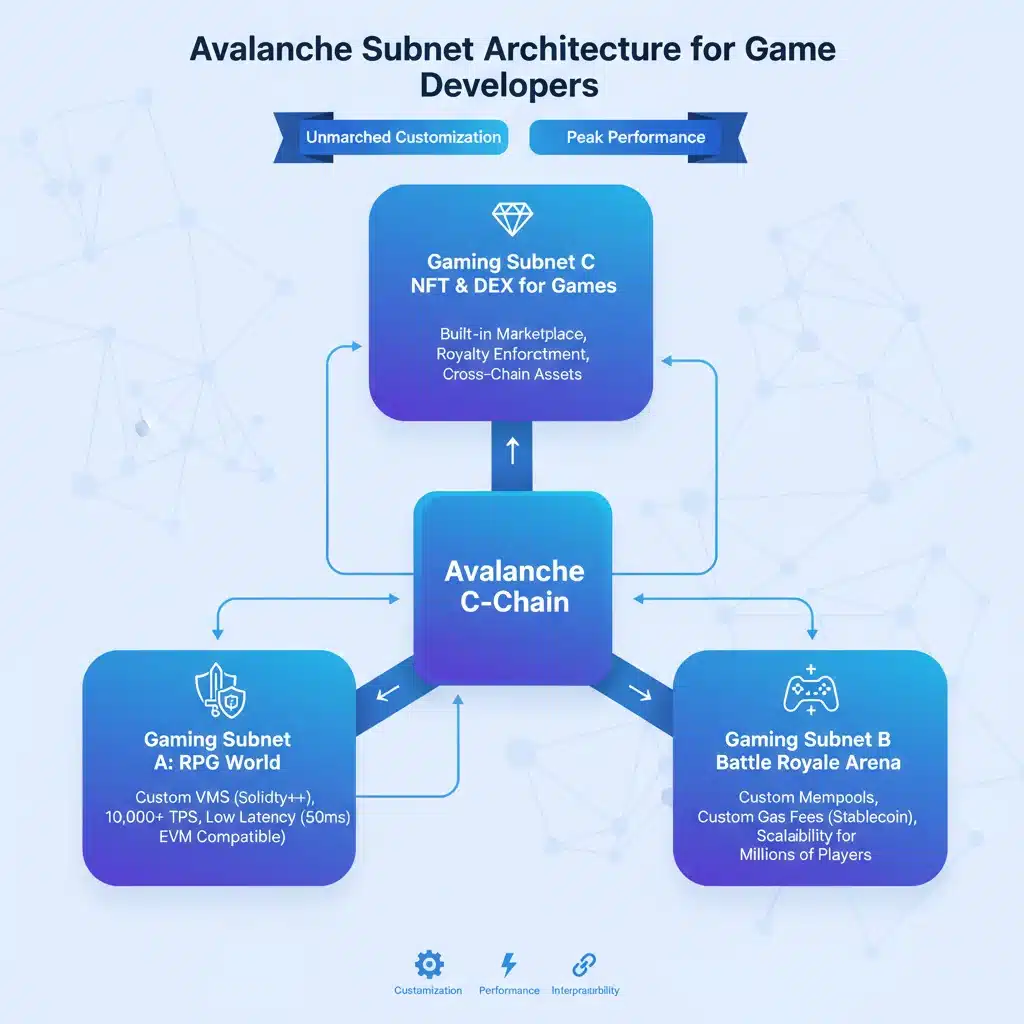
The core innovation of Avalanche lies in its subnet architecture. Unlike monolithic blockchains, Avalanche allows anyone to launch application-specific blockchains called subnets. Each subnet can have its own custom rules, tokenomics, and even its own virtual machine, while still benefiting from the security and interoperability of the broader Avalanche network. This level of customization is incredibly powerful for game developers.
For instance, a game studio can launch a dedicated subnet for their game, ensuring that network congestion from other applications doesn’t impact their players’ experience. They can also define their own gas token (e.g., using their game’s native token), providing a seamless economic model for players. This control over the blockchain environment, combined with Avalanche’s high transaction speed and low fees on its C-chain, makes it an ideal platform for building complex and immersive Web3 games that require a tailored blockchain solution.
Notable GameFi Projects and Ecosystem Growth on Avalanche
Avalanche has attracted a diverse array of gaming projects, from casual games to ambitious metaverse experiences. Popular titles like DeFi Kingdoms, Shrapnel, and Ascenders are building on Avalanche, leveraging its performance and subnet capabilities. These games showcase the network’s ability to support various game genres and sophisticated in-game economies.
The Avalanche Foundation has also been proactive in fostering its gaming ecosystem through initiatives like the Avalanche Rush program, which provides incentives and grants to developers. This strategic support, coupled with a growing community of developers and players, has positioned Avalanche as a serious contender for Web3 Gaming Altcoins. Its focus on providing a premium experience for both developers and end-users sets it apart.
The Future of Avalanche in Web3 Gaming
Looking ahead, Avalanche’s subnet technology is expected to be a major catalyst for its growth in Web3 gaming. As more game developers realize the benefits of having a dedicated, customizable blockchain for their titles, Avalanche’s appeal will only increase. The ability to control gas fees, define specific network parameters, and ensure a smooth user experience is invaluable for game studios aiming for mass adoption. Furthermore, Avalanche’s strong ties to institutional players and its focus on enterprise solutions could lead to significant partnerships with traditional gaming giants. The next 18 months will likely see Avalanche solidify its position as a go-to platform for high-performance, customizable Web3 gaming experiences, making AVAX a key Web3 Gaming Altcoins asset to watch.
3. Immutable X (IMX): The NFT Gaming Specialist
Immutable X stands out as a specialized layer-2 scaling solution built specifically for NFTs and Web3 gaming on Ethereum. Its design prioritizes instant transactions, zero gas fees for NFT minting and trading, and massive scalability, all while inheriting the robust security of the Ethereum mainnet. This laser focus on NFT functionality and gaming makes Immutable X an indispensable platform for developers creating games with extensive in-game asset economies.
Immutable X’s Unique Value Proposition for NFT Gaming
Immutable X utilizes ZK-rollups (specifically, StarkWare’s StarkEx technology) to achieve unparalleled scalability for NFT operations. This means that users can mint, trade, and transfer NFTs without incurring any gas fees, and transactions are processed almost instantly. For Web3 games, where players might interact with hundreds or thousands of NFTs (characters, items, land plots, etc.) on a daily basis, this feature is transformative. It removes a significant barrier to entry and improves the overall player experience, making NFT interactions feel as seamless as traditional in-game actions.
Furthermore, Immutable X offers a comprehensive suite of developer tools, including SDKs, APIs, and a user-friendly marketplace, making it easier for game studios to integrate NFT functionality into their games. The platform also emphasizes carbon neutrality, appealing to environmentally conscious developers and players.
Leading Web3 Games and Ecosystem Development on Immutable X
Immutable X has already attracted some of the most prominent titles in the Web3 gaming space. Games like Gods Unchained, Guild of Guardians, and Illuvium have chosen Immutable X for their in-game NFT economies. These games are known for their high-quality graphics, engaging gameplay, and robust NFT integrations, demonstrating the platform’s capability to support ambitious projects.
The Immutable X ecosystem is also characterized by strong partnerships with major gaming studios and publishers. Its focus on providing a seamless and gas-free NFT experience has made it a preferred choice for developers looking to build truly player-owned economies. The platform’s commitment to onboarding mainstream gamers is evident in its user-friendly interfaces and robust infrastructure, making it a critical player among Web3 Gaming Altcoins.
The Future Trajectory of Immutable X in Gaming
Over the next 18 months, Immutable X is poised for continued growth as the demand for gas-free NFT interactions in gaming intensifies. Its specialized focus gives it a distinct competitive advantage in the niche of NFT-heavy games. As the Web3 gaming market expands, the need for dedicated, high-performance NFT infrastructure will only grow, and Immutable X is perfectly positioned to meet this demand. The ongoing development of its platform, coupled with its strong community and developer support, will likely lead to even more AAA titles choosing Immutable X as their blockchain backbone. Its role in shaping the future of digital asset ownership within games cannot be overstated, making IMX a crucial part of the Web3 Gaming Altcoins landscape.
Honorable Mentions and Emerging Contenders
While Polygon, Avalanche, and Immutable X currently stand out as the dominant forces, the Web3 gaming landscape is dynamic, with several other promising ecosystems making significant strides. It’s important to acknowledge these emerging contenders as they could also play a crucial role in the evolution of Web3 Gaming Altcoins in the long run.
Solana (SOL)
Solana has garnered attention for its incredibly high transaction speeds and low costs, making it an attractive platform for certain types of Web3 games. While it faced some challenges with network stability in the past, its ecosystem continues to grow, with projects like Star Atlas and Aurory pushing the boundaries of what’s possible in blockchain gaming. Solana’s innovative consensus mechanism and robust developer community position it as a strong competitor, especially for games requiring ultra-fast interactions.
Flow (FLOW)
Developed by Dapper Labs, the creators of CryptoKitties and NBA Top Shot, Flow was built from the ground up for consumer-facing applications, including games and NFTs. Its multi-node architecture and developer-friendly environment have attracted major brands and a dedicated user base. Flow offers a unique approach to scalability and user experience, making it a viable option for certain types of Web3 games, particularly those focused on collectible NFTs and casual gaming experiences.
BNB Chain (BNB)
The BNB Chain, backed by Binance, has a massive user base and substantial liquidity, making it an accessible entry point for many Web3 users. While it may not offer the same level of decentralization as some other chains, its low transaction fees and EVM compatibility have attracted a significant number of GameFi projects, especially those targeting a broad, mainstream audience. Its extensive ecosystem and active community make it a persistent player in the Web3 Gaming Altcoins space.
Arbitrum and Optimism (Layer-2 Ethereum Rollups)
As Ethereum’s scaling solutions continue to mature, layer-2 rollups like Arbitrum and Optimism are becoming increasingly viable for Web3 gaming. These platforms offer significantly reduced transaction costs and increased speeds compared to the Ethereum mainnet, while leveraging Ethereum’s security. While they might be slightly behind the dedicated gaming ecosystems in terms of specialized tools, their growing adoption and strong developer communities mean they could host more complex and popular Web3 games in the future.
The competition among these ecosystems is a positive development for the Web3 gaming industry as a whole. It drives innovation, forces platforms to improve their offerings, and ultimately provides developers with a wider range of robust choices to build the next generation of immersive and engaging decentralized games.
Conclusion: The Future Landscape of Web3 Gaming
The next 18 months promise to be a pivotal period for Web3 gaming. The foundational altcoin ecosystems – Polygon, Avalanche, and Immutable X – are not just providing technical infrastructure; they are actively cultivating vibrant communities, fostering innovation, and attracting significant investment. Their distinct strengths in scalability, customization, and NFT specialization position them as the primary drivers of growth and adoption in this rapidly evolving sector.
Polygon’s focus on broad scalability and developer-friendliness, coupled with its impending ZK-rollup advancements, makes it an ideal choice for a wide array of Web3 games seeking efficient and cost-effective operations. Avalanche’s unique subnet architecture offers unparalleled customization and performance, catering to games that require dedicated blockchain environments and high transaction throughput. Immutable X, with its specialized gas-free NFT transactions, is becoming the undeniable leader for games built around robust in-game asset economies.
The ongoing development and competition among these platforms will undoubtedly lead to more sophisticated tools, better user experiences, and ultimately, a new generation of games that truly leverage the power of decentralization. As traditional gaming giants increasingly explore blockchain integration, these established altcoin ecosystems will be at the forefront, offering proven solutions and a clear path to mainstream adoption.
For developers, understanding the nuances of each ecosystem is crucial for making informed decisions about where to build. For players, identifying the platforms that prioritize performance, ownership, and an engaging experience will be key to discovering the next wave of revolutionary Web3 games. The future of gaming is decentralized, and these Web3 Gaming Altcoins are paving the way for an exciting and transformative era.
The journey of Web3 gaming is still in its early stages, but the foundations being laid by these altcoin ecosystems are robust and forward-thinking. As technology advances and user adoption grows, we can expect to see even more innovation, interoperability, and groundbreaking titles emerge from these platforms. Keep a close eye on Polygon, Avalanche, and Immutable X – they are undeniably shaping the future of gaming.