Phishing Scams 2025: Advanced Protection for Digital Assets
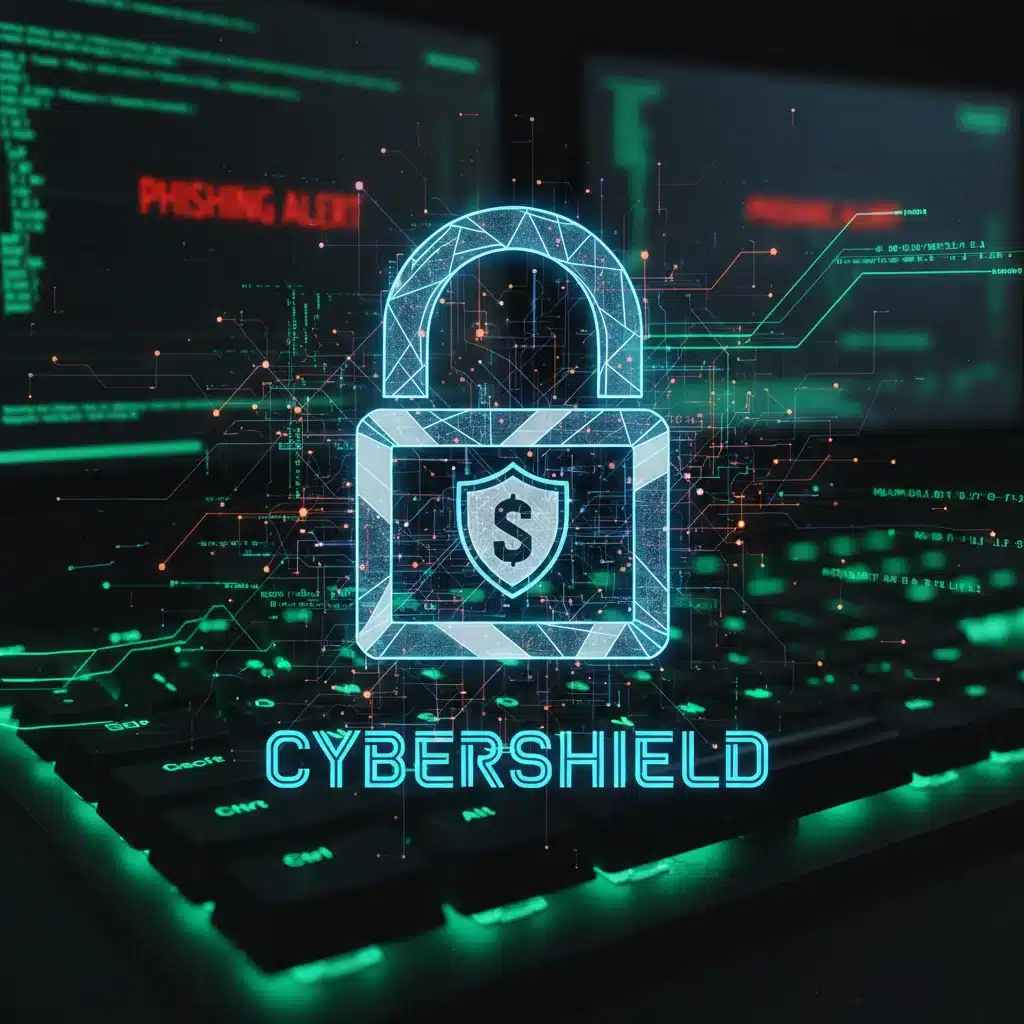
The digital landscape is a double-edged sword: a realm of unparalleled opportunity and a fertile ground for sophisticated threats. As we march towards 2025 and beyond, the specter of phishing scams continues to loom large, evolving in complexity and scale. In 2024 alone, billions of dollars were lost to these insidious attacks, and projections for 2025 suggest an even more aggressive onslaught. For digital asset owners, the stakes couldn’t be higher. From cryptocurrencies and NFTs to intellectual property and sensitive personal data, the digital economy demands an equally sophisticated defense. This comprehensive guide, ‘Phishing Scams 2025: Advanced Protection for Digital Assets,’ delves into the nitty-gritty of modern phishing tactics and, more importantly, equips you with five advanced, insider-level techniques to fortify your digital fortress. We’re not just talking about basic awareness; we’re talking about proactive, multi-layered strategies designed to outmaneuver even the most cunning adversaries. Understanding and implementing these strategies is no longer optional; it’s a fundamental requirement for anyone serious about safeguarding their digital wealth and privacy.
The Evolving Threat Landscape: Why Traditional Defenses Are Failing Against Digital Asset Phishing
The era of easily identifiable phishing emails, riddled with grammatical errors and outlandish requests, is largely behind us. Today’s phishing attacks are hyper-realistic, highly targeted, and often leverage advanced social engineering tactics. Attackers are no longer casting a wide net; they are meticulously crafting campaigns designed to exploit specific vulnerabilities and trust relationships. The sheer volume and sophistication of these attacks mean that relying solely on traditional email filters or basic user awareness training is akin to bringing a knife to a gunfight. The financial incentive for these criminals is astronomical. With the proliferation of digital assets like cryptocurrency and NFTs, which often lack the centralized recovery mechanisms of traditional banking, a successful phishing attack can lead to irreversible losses. The decentralized nature of many digital assets, while offering freedom, also presents unique challenges for security, making robust personal defenses against digital asset phishing absolutely critical. We’ve seen a shift from broad-stroke attacks to highly personalized spear-phishing campaigns, often preceded by extensive reconnaissance on the target. This level of dedication by attackers necessitates an equally dedicated and advanced defense posture from every digital asset owner.
Furthermore, the rise of AI and machine learning has added another layer of complexity. AI-powered tools can generate incredibly convincing fake websites, deepfake audio and video for voice phishing (vishing) and video phishing (smishing), and highly personalized email content that bypasses many standard spam filters. These tools allow attackers to scale their operations and create campaigns that are nearly indistinguishable from legitimate communications. The speed at which these threats evolve demands a continuous learning and adaptation process from digital asset owners. The ‘set it and forget it’ approach to cybersecurity is a recipe for disaster in the current climate. Understanding the adversary’s evolving toolkit is the first step in building an effective counter-strategy against digital asset phishing. The psychological manipulation employed in these scams is also becoming increasingly sophisticated, exploiting human biases and emotional responses to bypass logical reasoning. This is why technical solutions alone are insufficient; a holistic approach that includes human awareness and advanced technical controls is paramount.
Technique 1: Implement Advanced Hardware-Based Multi-Factor Authentication (MFA) for All Digital Assets
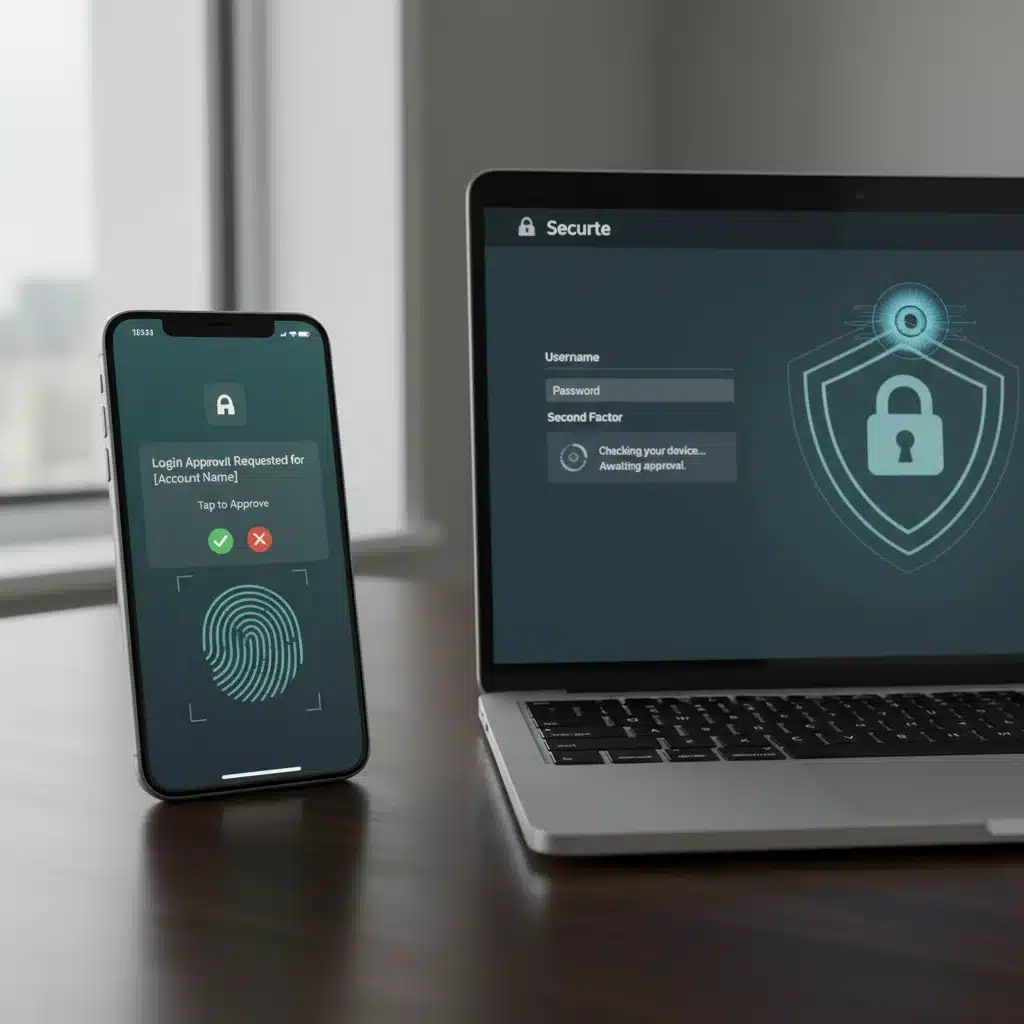
While software-based MFA (like authenticator apps) offers a significant improvement over passwords alone, it’s not impervious to sophisticated phishing attacks. SMS-based MFA, in particular, is highly vulnerable to SIM-swapping attacks. For true protection of your digital assets, especially high-value accounts like cryptocurrency exchanges, NFT marketplaces, and critical email accounts, hardware-based MFA is the gold standard. Devices like YubiKeys or Google Titan Security Keys provide an unphishable layer of security. These devices require physical interaction to authenticate, making it virtually impossible for an attacker to gain access even if they have your password and can intercept an SMS code or trick you into revealing a software-generated code.
The principle behind hardware MFA is simple yet powerful: something you have, combined with something you know (your password) or something you are (biometrics). When you attempt to log in, the hardware key physically confirms your identity. This means that even if a phishing site successfully captures your username and password, it cannot complete the login without physical access to your security key. This drastically reduces the attack surface for digital asset phishing. Make it a non-negotiable rule to enable hardware MFA wherever possible. Many major platforms now support FIDO2/WebAuthn standards, which hardware keys leverage. This step alone can elevate your security posture significantly, providing a robust defense against one of the most common vectors for digital asset compromise.
Beyond simply enabling it, it’s crucial to understand how to properly register and manage your hardware keys. Always register multiple keys (a primary and at least one backup) and store them securely in separate locations. Losing your only hardware key without a backup can lock you out of your accounts. Furthermore, be wary of any prompts to ‘re-register’ your security key from unsolicited emails or websites, as this is a common phishing tactic aimed at tricking you into registering an attacker’s key. Always verify the URL and the legitimacy of the request directly through the official platform. Regular review of your security settings to ensure all registered keys are legitimate and known to you is also a prudent practice. This proactive management is a cornerstone of effective digital asset phishing prevention.
Technique 2: Adopt a ‘Zero-Trust’ Mindset and Isolate High-Value Digital Asset Activities
The concept of ‘zero-trust’ in cybersecurity implies that no user, device, or network is trusted by default, regardless of whether they are inside or outside the network perimeter. Every access attempt must be verified. For individual digital asset owners, this translates into a rigorous approach to how you interact with your high-value assets. Instead of assuming a link is safe or an email is legitimate, assume it’s a potential threat until proven otherwise. This includes emails from seemingly trusted sources. Attackers frequently compromise legitimate accounts to send phishing lures.
A practical application of a zero-trust mindset is to isolate your high-value digital asset activities. Consider using a dedicated, air-gapped or heavily sandboxed operating system (e.g., a live Linux distro from a USB drive, or a virtual machine with strict network rules) solely for managing your cryptocurrency wallets, NFT transactions, or accessing critical financial accounts. This dedicated environment should have minimal software installed, no regular browsing history, and be used exclusively for these sensitive tasks. This significantly reduces the risk of malware or keyloggers compromising your credentials from your everyday browsing activities. Furthermore, avoid clicking links in emails or messages for high-value accounts. Instead, manually type the URL into your isolated browser or use bookmarks you’ve verified personally. This simple act bypasses numerous phishing attempts designed to redirect you to malicious look-alike sites. The ‘never click, always type’ mantra is a powerful defense against digital asset phishing.
Extending the zero-trust principle, regularly review and revoke unnecessary permissions for applications and services connected to your digital asset accounts. Many decentralized applications (dApps) or third-party services request extensive permissions, which, if compromised, could give attackers control over your assets. Be meticulous in understanding what permissions you grant and revoke them when they are no longer needed. Think of your digital assets as physical gold; you wouldn’t leave it in the open or give everyone a key to its vault. This level of caution and isolation is paramount in protecting against digital asset phishing in an increasingly interconnected and vulnerable digital world. The upfront effort in setting up such an environment is a small price to pay for the peace of mind and security it provides against potential multi-million dollar losses.
Technique 3: Leverage Advanced Threat Intelligence and Deceptive Technologies
Staying informed about the latest phishing tactics is crucial, but relying solely on general news can be reactive. Advanced digital asset owners should actively leverage threat intelligence feeds. Many cybersecurity firms and blockchain security companies offer free or paid threat intelligence services that provide real-time updates on emerging phishing campaigns, compromised websites, and known malicious addresses. Integrating these feeds into your security workflow can give you an early warning system against digital asset phishing attempts targeting the platforms you use.
Beyond intelligence, consider deploying deceptive technologies, sometimes referred to as ‘honeypots’ or ‘canaries.’ While traditionally used by organizations, individuals can adapt these concepts. For example, setting up a decoy email address or a low-value wallet with a unique seed phrase that you intentionally expose to certain risky environments (e.g., public forums, suspicious airdrops) can act as an early indicator of compromise. If this decoy address starts receiving phishing emails or if the low-value wallet is drained, it signals that you might be a target and allows you to reinforce defenses on your primary assets before they are directly attacked. This proactive approach turns the tables on attackers, using their reconnaissance efforts against them. It’s about creating tripwires that alert you to danger before it reaches your most valuable holdings, offering a significant advantage in the fight against digital asset phishing.
Another aspect of advanced threat intelligence involves understanding the infrastructure used by phishers. This includes monitoring domain registrations that mimic legitimate services you use, tracking IP addresses associated with known malicious activity, and analyzing the content of phishing kits. While this might sound overly technical, several user-friendly tools and communities exist that aggregate and share this information. Participating in these communities or using services that provide this data can significantly enhance your ability to recognize and avoid sophisticated digital asset phishing scams. The more you know about the enemy’s methods, the better equipped you are to defend against them. This proactive gathering of information is a hallmark of an advanced security posture, moving beyond simple detection to predictive prevention.
Technique 4: Implement Robust Email Security and Domain Name System (DNS) Filtering
Email remains a primary vector for digital asset phishing. While basic spam filters catch obvious threats, sophisticated attacks often bypass them. To combat this, implement robust email security measures. This starts with using an email provider that offers advanced threat protection, including DMARC, DKIM, and SPF authentication for incoming mail. These protocols help verify the sender’s legitimacy and prevent email spoofing, a common tactic in digital asset phishing.
Beyond your provider, consider using a third-party email security service or a client-side email filter that employs AI and machine learning to detect subtle anomalies in email content, headers, and sender behavior. These advanced filters can identify highly targeted spear-phishing attempts that might otherwise slip through. Additionally, educate yourself on common email-based social engineering techniques, such as urgency, authority impersonation, and emotional manipulation, which are consistently used to trick victims into revealing sensitive information or clicking malicious links. Always scrutinize sender addresses, even if the display name appears legitimate. Hover over links to reveal their true destination before clicking. These habits, combined with advanced technical controls, are essential in preventing digital asset phishing through email.
Furthermore, enhance your network-level defense against digital asset phishing through DNS filtering. DNS filters block access to known malicious domains and IP addresses at the network level, preventing your devices from even connecting to phishing sites. Services like Cloudflare’s 1.1.1.1 for Families (which includes malware and phishing blocking), OpenDNS, or more advanced enterprise-grade solutions can be configured on your router or individual devices. This means that even if you accidentally click a phishing link, the DNS filter can prevent your browser from resolving the malicious domain, effectively stopping the attack before it can cause harm. This layer of defense acts as a gatekeeper, ensuring that your devices are protected from accessing known bad neighborhoods on the internet. Regularly updating your DNS filter’s threat intelligence is crucial for its continued effectiveness against new and evolving digital asset phishing threats. This combined approach of secure email and network-level DNS filtering creates a formidable barrier against many common phishing vectors.
Technique 5: Regular Security Audits and Proactive Vulnerability Management
Cybersecurity is not a one-time setup; it’s an ongoing process. For digital asset owners, this means conducting regular security audits of your own practices and proactive vulnerability management. Start by auditing all your digital asset accounts: review login history, connected applications, and authorized devices. Look for any unfamiliar activity or unauthorized access. Change passwords regularly, especially for high-value accounts, and ensure they are unique and complex. Use a reputable password manager to generate and store these securely, eliminating the need to remember them and reducing the risk of reuse.
Proactive vulnerability management involves more than just keeping your operating system and software updated, although that is fundamental. It also means staying informed about vulnerabilities specific to the digital assets and platforms you use. For instance, if you hold NFTs on a particular marketplace, follow their security announcements and community discussions for any reported vulnerabilities or phishing campaigns targeting their users. For cryptocurrency wallets, verify the integrity of your software downloads using checksums and always download from official sources. Be extremely cautious of browser extensions, as many have been found to contain malware or act as phishing vectors. Limit their use, and only install those from highly trusted developers with strong security reputations. Regularly clearing browser cache and cookies, especially after visiting unfamiliar sites, can also mitigate certain types of tracking and session hijacking attempts.
Consider employing professional security assessments for your digital asset holdings, particularly if you manage substantial wealth. While this may seem excessive for an individual, the cost of a professional audit pales in comparison to the potential loss from a successful digital asset phishing attack. These audits can identify weak points in your personal security posture, from network configurations to software vulnerabilities, and provide actionable recommendations. Engaging with security professionals for a periodic review of your setup can provide an invaluable external perspective and uncover blind spots you might have overlooked. The goal here is to continuously identify and patch potential holes in your defense before attackers can exploit them, making your digital asset phishing defenses exceptionally robust.
The Human Element: Your Strongest (or Weakest) Link in Digital Asset Phishing Defense
No matter how advanced your technical defenses are, the human element remains the most critical factor in preventing digital asset phishing. Attackers consistently exploit psychological vulnerabilities: fear, urgency, curiosity, and the desire for financial gain. Phishing attacks are designed to bypass your logical defenses by triggering an emotional response, leading you to make rash decisions. Therefore, continuous education and a healthy dose of skepticism are your most powerful tools.
Develop a habit of critical thinking before acting on any unsolicited communication, especially those related to your digital assets. Question everything: Is this email truly from the stated sender? Is the request legitimate? Does the link lead where it claims? Is this offer too good to be true? Remember that legitimate institutions will rarely ask for sensitive information or instruct you to click links to verify your account via email or text. Always navigate directly to the official website or use official applications for any account-related actions. Training your intuition to recognize the subtle red flags of a phishing attempt is an ongoing process, but it’s one that pays immense dividends in protecting your digital asset phishing vulnerabilities.
Furthermore, cultivate a security-first mindset within your digital interactions. Treat every new connection, every new dApp, and every new platform with caution. Research thoroughly before committing your assets. Understand the smart contract risks, the platform’s security history, and the reputation of its developers. In the decentralized world, personal responsibility for security is amplified. Sharing your experiences and learning from others in trusted security communities can also enhance your collective defense against digital asset phishing. Ultimately, while technology provides the tools, your vigilance and informed decision-making are the ultimate guardians of your digital assets. By combining advanced technical strategies with an unyielding commitment to personal cybersecurity hygiene, you can significantly reduce your risk of falling victim to the sophisticated digital asset phishing scams of 2025 and beyond.
Conclusion: A Proactive Stance Against Digital Asset Phishing
The landscape of digital asset security is in a constant state of flux, with threats like phishing evolving at an alarming pace. The projected $1.2 billion in phishing losses for 2025 underscores the urgent need for digital asset owners to move beyond basic security practices and adopt a more advanced, proactive stance. By implementing the five techniques discussed – advanced hardware-based MFA, a zero-trust mindset with isolated activities, leveraging threat intelligence and deceptive technologies, robust email security with DNS filtering, and regular security audits with proactive vulnerability management – you can build a formidable defense against even the most sophisticated digital asset phishing attacks.
These strategies are not merely suggestions; they are essential components of a resilient cybersecurity framework designed for the realities of 2025 and 2026. Protecting your digital assets requires continuous vigilance, ongoing education, and a willingness to adapt your security practices as new threats emerge. Remember, your digital wealth is a prime target for increasingly sophisticated adversaries. By investing in these advanced security measures and cultivating a strong security-first mindset, you are not just protecting your assets; you are securing your financial future and maintaining your peace of mind in the complex digital realm. Stay informed, stay skeptical, and stay secure against digital asset phishing.