Tokenization of Real-World Assets: Unlocking Web3 Opportunities
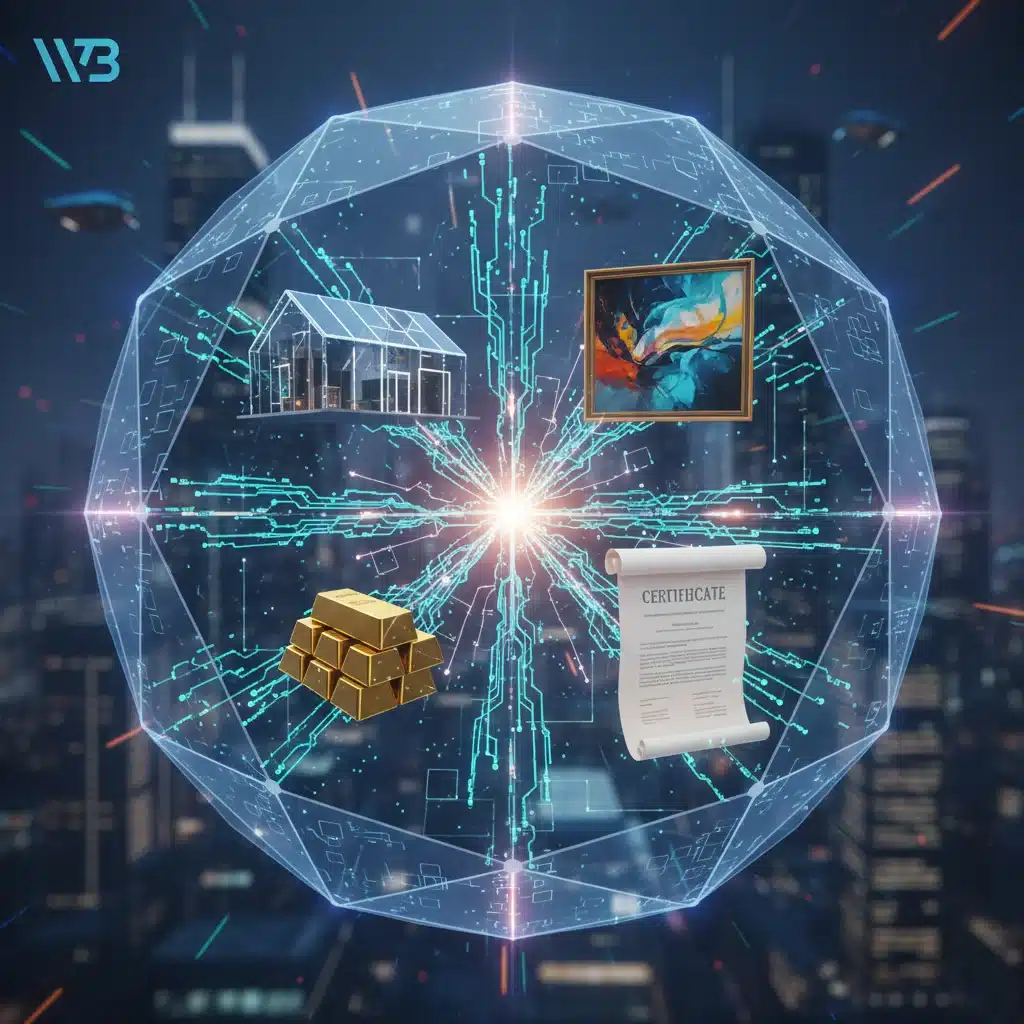
The Dawn of Digital Ownership: RWA Tokenization in the US and the $500 Billion Web3 Opportunity
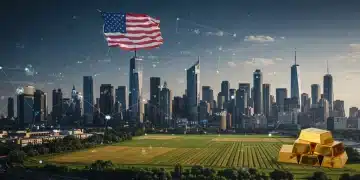
The financial world is on the cusp of a monumental transformation, driven by the innovative concept of Real-World Asset (RWA) tokenization. This groundbreaking approach, leveraging the power of blockchain technology, is not just a theoretical concept but a rapidly materializing reality, especially within the dynamic landscape of the United States. Analysts project that RWA tokenization in the US alone could unlock a staggering $500 billion in new Web3 opportunities by 2027. This isn’t merely about digitizing existing assets; it’s about fundamentally reshaping how we perceive, own, and trade value, paving the way for a more inclusive, efficient, and transparent financial ecosystem.
The potential impact of RWA tokenization extends across virtually every asset class, from real estate and commodities to intellectual property and fine art. By converting tangible and intangible assets into digital tokens on a blockchain, we are creating a new paradigm of ownership and investment. This article delves deep into the mechanics, benefits, challenges, and immense potential of RWA Tokenization Web3, focusing on its burgeoning presence in the US market and its role in forging the future of decentralized finance.
What is RWA Tokenization? Demystifying the Concept
At its core, RWA tokenization is the process of representing ownership rights or economic value of a real-world asset as a digital token on a blockchain. Imagine owning a fraction of a commercial building, a rare diamond, or even a future royalty stream from a song, all represented by a secure, transferable, and immutable digital token. This is the essence of RWA tokenization.
These real-world assets can be broadly categorized into:
- Tangible Assets: Real estate (residential and commercial), precious metals, art, collectibles, infrastructure.
- Intangible Assets: Intellectual property (patents, copyrights), carbon credits, future revenue streams, licenses.
The process involves several key steps:
- Legal Structuring: Ensuring the legal ownership and rights associated with the asset are clearly defined and enforceable in a digital context. This often requires establishing special purpose vehicles (SPVs) or other legal frameworks.
- Asset Valuation: Determining the fair market value of the asset.
- Token Creation: Minting digital tokens on a chosen blockchain (e.g., Ethereum, Polygon, Solana). These tokens are often built using established standards like ERC-20 for fungible assets or ERC-721 for non-fungible assets (NFTs), or newer standards specifically designed for security tokens.
- On-chain Representation: Linking the legal ownership and rights to the digital token via smart contracts. These smart contracts can automate various processes, such as dividend distribution, voting rights, or fractional ownership management.
- Regulatory Compliance: Navigating the complex regulatory landscape, especially in the US, to ensure the tokenized asset complies with securities laws, anti-money laundering (AML) regulations, and know-your-customer (KYC) requirements.
This intricate process transforms illiquid, often inaccessible assets into highly liquid, programmable, and globally tradable digital instruments. The synergy between RWA Tokenization Web3 infrastructure creates a powerful new paradigm for value exchange.
The US Market: A Hotbed for RWA Tokenization Growth
The United States is rapidly positioning itself as a global leader in RWA Tokenization Web3 innovation. Several factors contribute to this accelerated growth:
- Robust Legal Frameworks: While complex, the US legal system offers a degree of certainty and enforceability that attracts institutional investors and large asset holders. Efforts are underway to clarify regulations around digital assets, which will further de-risk the space.
- Deep Capital Markets: The US boasts the world’s largest and most sophisticated capital markets, providing ample liquidity and a vast investor base eager for new investment opportunities.
- Technological Prowess: A strong ecosystem of blockchain developers, startups, and established technology firms are driving innovation in tokenization platforms and infrastructure.
- Institutional Adoption: Major financial institutions, including banks, asset managers, and exchanges, are actively exploring and piloting RWA tokenization initiatives. Their involvement is crucial for mainstream adoption and scaling.
- Investor Demand: A growing appetite among both institutional and retail investors for diversified portfolios, higher yields, and exposure to digital assets is fueling the demand for tokenized RWAs.
The projection of $500 billion in new Web3 opportunities by 2027 is a testament to the confluence of these factors. This figure encompasses not just the direct value of tokenized assets but also the ancillary services, platforms, and infrastructure that will emerge to support this new ecosystem. The US is not just observing; it is actively shaping the future of RWA Tokenization Web3.
Unlocking Value: Key Benefits of RWA Tokenization
The transformation brought about by RWA Tokenization Web3 offers a multitude of compelling benefits that address long-standing inefficiencies in traditional finance:
1. Enhanced Liquidity
Many real-world assets, such as real estate or private equity, are inherently illiquid. Tokenization breaks down these large, indivisible assets into smaller, tradable units (fractions). This fractional ownership significantly lowers the barrier to entry for investors, increasing the pool of potential buyers and sellers, and thereby enhancing market liquidity. For example, instead of buying an entire building, an investor can purchase tokens representing a small percentage of it, making real estate investment more accessible.
2. Fractional Ownership and Accessibility
Tokenization democratizes investment. High-value assets that were once exclusive to ultra-high-net-worth individuals or institutional investors can now be accessed by a broader range of investors through fractional ownership. This opens up new investment opportunities and allows for greater portfolio diversification, empowering smaller investors to participate in markets previously out of reach.
3. Increased Transparency and Immutability
Blockchain technology, by its very nature, provides an immutable and transparent record of ownership and transactions. Every tokenized asset’s history is recorded on the distributed ledger, making it highly auditable and resistant to fraud. This transparency builds trust among participants and reduces the need for costly intermediaries.
4. Greater Efficiency and Reduced Costs
Traditional asset transactions involve numerous intermediaries, extensive paperwork, and lengthy settlement periods, all of which contribute to high costs. Tokenization, powered by smart contracts, automates many of these processes, such as escrow, settlement, and compliance checks. This automation significantly reduces transaction costs, administrative overheads, and accelerates settlement times from days to minutes or even seconds.
5. Global Access and 24/7 Trading
Blockchain networks operate globally and continuously. Tokenized assets can be traded 24/7 on decentralized exchanges, transcending geographical and time-zone limitations. This global accessibility expands the investor base and creates more dynamic markets, allowing for real-time price discovery and efficient capital allocation.
6. Programmability and Automation via Smart Contracts
Smart contracts are self-executing agreements stored on the blockchain. They can be programmed to automatically execute terms and conditions associated with the tokenized asset, such as distributing dividends, managing voting rights, or enforcing compliance rules. This programmability adds a layer of intelligence and automation to asset management and financial operations.
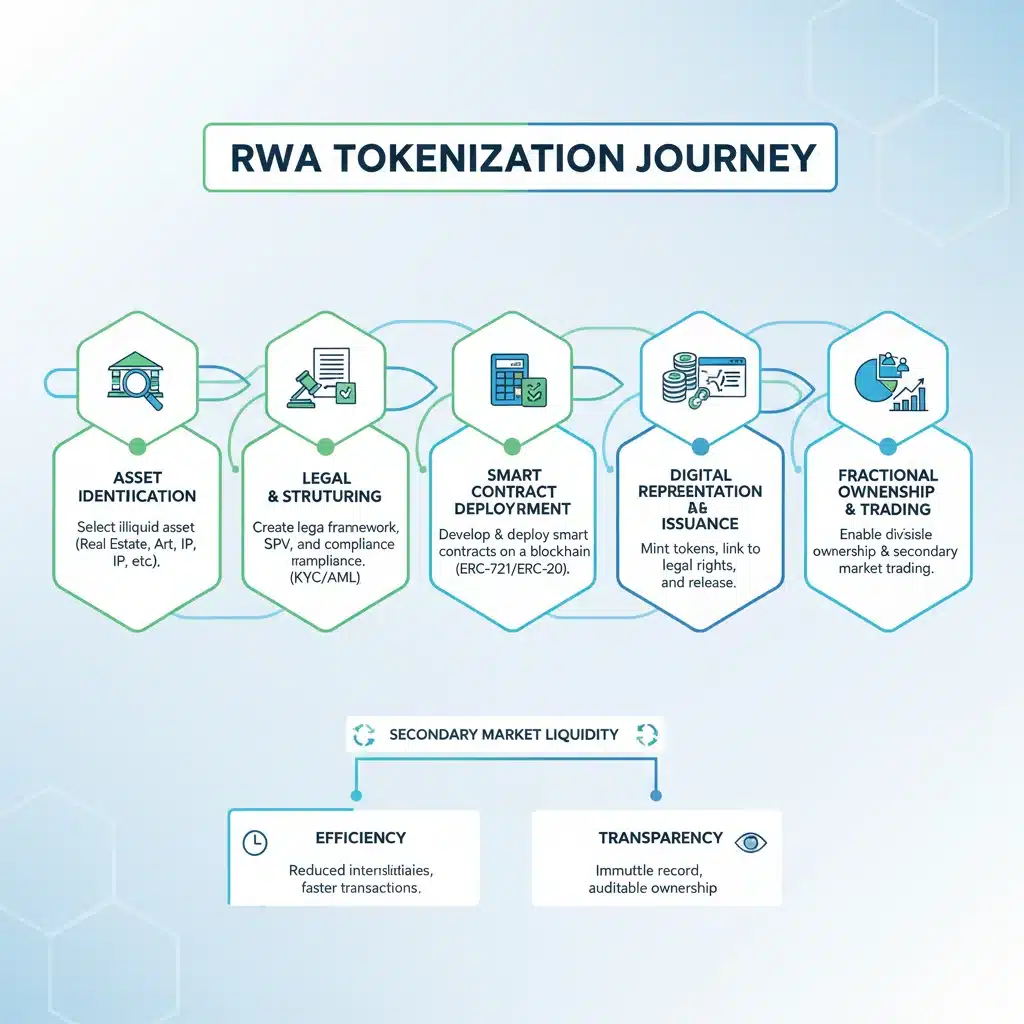
These benefits collectively paint a picture of a more efficient, equitable, and innovative financial future, with RWA Tokenization Web3 at its core.
Challenges and Regulatory Landscape in the US
Despite its immense promise, the path to widespread RWA Tokenization Web3 adoption is not without its hurdles, particularly concerning the regulatory environment in the US.
1. Regulatory Uncertainty and Compliance
The classification of tokenized assets remains a complex issue. Are they securities, commodities, or something else entirely? The SEC, CFTC, and other regulatory bodies are still developing clear guidelines. This ambiguity creates a challenging environment for innovators and investors, requiring careful legal counsel and adherence to existing securities laws (e.g., Howey Test). Navigating state-specific regulations further adds to the complexity. A clearer, more harmonized regulatory framework is essential for scaling RWA Tokenization Web3.
2. Legal Enforceability of Digital Ownership
While tokens represent ownership, the legal enforceability of these digital rights in the physical world is crucial. Robust legal frameworks must be established to ensure that token holders have verifiable and legally protected claims to the underlying real-world assets. This often involves bridging the gap between traditional legal systems and blockchain technology.
3. Interoperability and Scalability
For RWA tokenization to reach its full potential, different blockchain networks and platforms must be able to communicate and interact seamlessly. Interoperability solutions are vital to create a cohesive global ecosystem. Additionally, current blockchain scalability limitations need to be addressed to handle the massive transaction volumes expected from widespread RWA tokenization.
4. Custody and Security
Securing digital assets, particularly those representing significant real-world value, is paramount. Robust custody solutions, including institutional-grade cold storage, multi-signature wallets, and insurance, are critical to protect tokenized assets from theft or loss. The security of the underlying blockchain infrastructure is also a constant concern.
5. Valuation and Auditing
Accurate and transparent valuation of underlying real-world assets is essential for investor confidence. Independent auditing and appraisal processes, both for the physical asset and the digital representation, are necessary to maintain integrity and trust in the tokenized market.
6. Education and Adoption Barriers
A significant challenge lies in educating traditional financial institutions, investors, and the general public about the benefits and mechanics of RWA tokenization. Overcoming skepticism and fostering trust in this nascent technology will be key to its widespread adoption. The complexity of Web3 technologies can also be a barrier for new users.
Addressing these challenges requires a collaborative effort between technologists, legal experts, regulators, and financial institutions. The ongoing dialogue and policy developments in the US are critical steps toward building a robust and compliant ecosystem for RWA Tokenization Web3.
Use Cases and Emerging Sectors for RWA Tokenization
The applications for RWA Tokenization Web3 are incredibly diverse and continue to expand. Here are some of the most promising sectors:
1. Real Estate Tokenization
This is arguably the most talked-about application. Tokenizing real estate allows for fractional ownership of properties, making high-value assets like commercial buildings, luxury homes, or development projects accessible to a wider investor base. It enhances liquidity, reduces transaction costs, and simplifies cross-border investments.
2. Commodities Tokenization
Precious metals (gold, silver), energy resources, and agricultural products can be tokenized. This allows for easier trading, fractional ownership, and more transparent supply chains. It can also provide a more direct and efficient way for investors to gain exposure to commodity markets without physical storage or complex derivatives.
3. Private Equity and Venture Capital
Tokenization can revolutionize private markets by fractionalizing stakes in private companies or venture capital funds. This increases liquidity for early investors, provides new funding avenues for startups, and lowers the entry barrier for smaller investors to participate in high-growth private ventures, thereby democratizing access to private capital.
4. Debt Instruments and Loans
Traditional debt, such as mortgages, corporate bonds, or even individual loans, can be tokenized. This can create more efficient secondary markets for debt, reduce intermediation costs, and enable new forms of decentralized lending and borrowing within the Web3 ecosystem. Stablecoins, which are often backed by fiat currency or other RWAs, are a prime example of tokenized debt/currency.
5. Art, Collectibles, and Luxury Goods
High-value artworks, rare collectibles, and luxury items can be tokenized, allowing for fractional ownership and democratizing access to these exclusive markets. This also provides verifiable proof of authenticity and ownership, reducing fraud and increasing transparency in these often opaque markets.
6. Intellectual Property and Royalties
Future royalty streams from music, films, patents, or software can be tokenized, allowing creators to raise capital by selling fractions of their future earnings. This offers a new funding model for creative industries and provides investors with exposure to intellectual property assets.
7. Infrastructure Projects
Large-scale infrastructure projects (e.g., renewable energy farms, toll roads) can be financed through tokenization, enabling communities and smaller investors to participate in and benefit from these long-term investments. This can accelerate funding for critical public and private infrastructure development.
8. Carbon Credits and Environmental Assets
Tokenizing carbon credits and other environmental assets can create more transparent, liquid, and efficient markets for sustainability initiatives. This allows for easier tracking, trading, and verification of environmental impact, fostering greater corporate and individual participation in climate solutions.
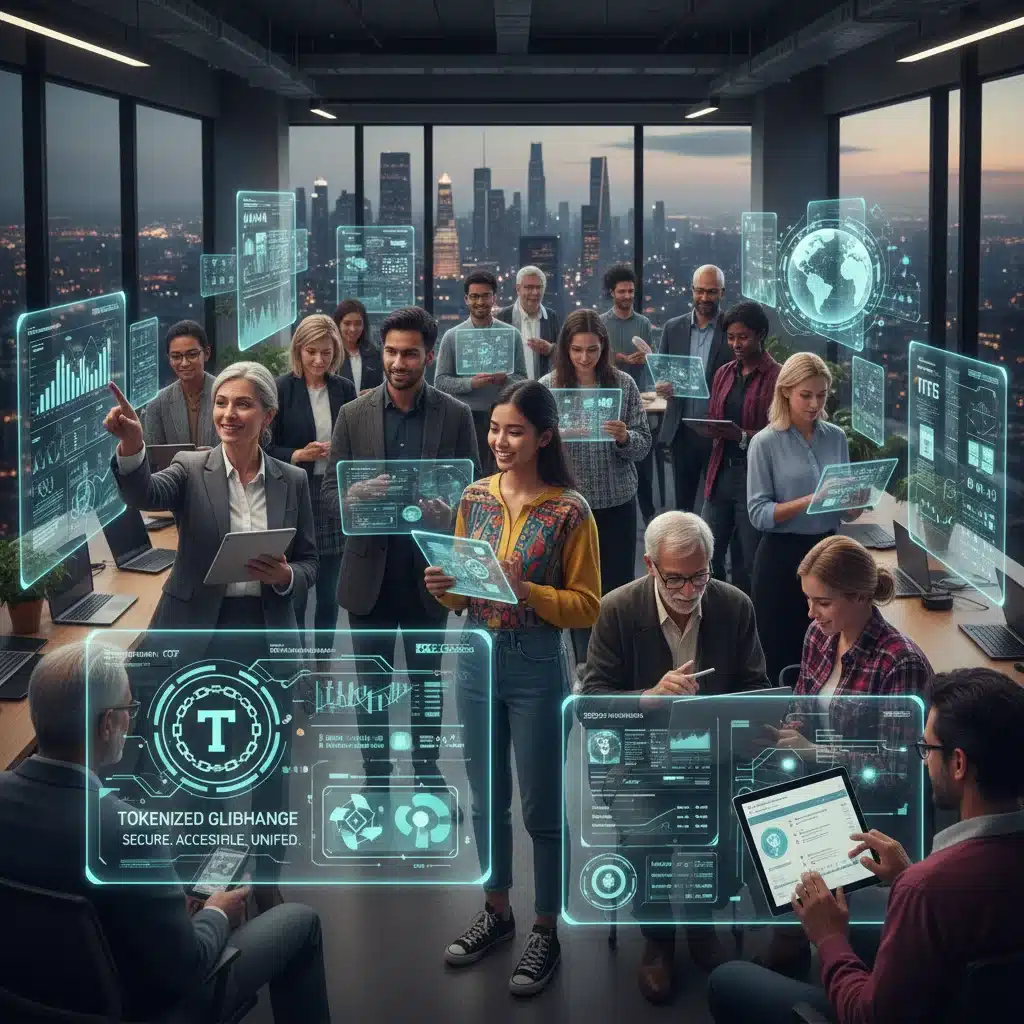
These diverse use cases underscore the transformative power of RWA Tokenization Web3, promising to unlock significant economic value across various industries.
The Role of Web3 Technologies in RWA Tokenization
Web3 is not just a buzzword; it’s the foundational layer enabling the full potential of RWA tokenization. Here’s how:
- Decentralized Autonomous Organizations (DAOs): DAOs can govern tokenized assets, allowing token holders to vote on key decisions related to the underlying asset, such as property management or dividend distribution, fostering true decentralized ownership.
- Decentralized Finance (DeFi): Tokenized RWAs can be integrated into DeFi protocols, allowing them to be used as collateral for loans, traded on decentralized exchanges (DEXs), or deposited into liquidity pools to earn yield. This significantly expands the utility and financial instruments available for these assets.
- Non-Fungible Tokens (NFTs) and Security Tokens: While NFTs are often associated with digital art, they can represent unique, indivisible RWAs. For fungible assets, specialized security tokens (often adhering to standards like ERC-1400) are used, incorporating specific regulatory and compliance features directly into the token’s code.
- Oracles: Oracles are crucial for bringing real-world data onto the blockchain. For RWA tokenization, oracles provide essential information like asset valuations, property data, or legal compliance status, enabling smart contracts to react to real-world events.
- Layer 2 Solutions: To address scalability concerns, Layer 2 solutions (e.g., rollups, sidechains) are vital for processing a high volume of RWA token transactions efficiently and at lower costs, making the system more viable for widespread adoption.
The symbiotic relationship between RWA Tokenization Web3 elements is what makes this revolution possible, creating a more robust, programmable, and interconnected financial system.
Future Outlook: $500 Billion and Beyond
The projection of $500 billion in unlocked Web3 opportunities by 2027 from RWA tokenization in the US is not an endpoint but rather a significant milestone in a much larger journey. Several trends indicate that this growth trajectory is sustainable and likely to accelerate:
- Increased Institutional Participation: As regulatory clarity improves, more traditional financial institutions will enter the RWA tokenization space, bringing with them vast capital, expertise, and client networks. This institutional embrace will legitimize and scale the market significantly.
- Technological Advancements: Continued innovation in blockchain technology, including advancements in scalability, security, and interoperability, will make RWA tokenization platforms more robust and user-friendly.
- Regulatory Evolution: Governments and regulatory bodies worldwide are increasingly recognizing the potential of digital assets. The development of clearer, more supportive regulatory frameworks will de-risk the sector and encourage further investment and innovation.
- Emergence of New Asset Classes: As the technology matures, new and novel real-world assets will be identified and brought onto the blockchain, further expanding the market’s scope. This could include things like human capital, environmental services, or even personal data rights.
- Global Harmonization: While the US is a key player, international collaboration on regulatory standards and technical interoperability will be crucial for creating a truly global and interconnected tokenized asset market.
The convergence of traditional finance with decentralized Web3 technologies through RWA tokenization represents a profound shift. It promises to create a financial system that is not only more efficient and transparent but also more accessible and equitable for a global population. The $500 billion opportunity is just the beginning of a new era of digital ownership and financial innovation.
Conclusion: Embracing the Tokenized Future
The tokenization of Real-World Assets stands as one of the most exciting and impactful developments in the Web3 space. Its ability to transform illiquid assets into liquid, programmable digital instruments promises to unlock unprecedented economic value and foster a more inclusive global financial system. The US, with its robust markets and innovative spirit, is at the forefront of this revolution, poised to capture a significant portion of the projected $500 billion in new opportunities by 2027.
While challenges related to regulation, legal enforceability, and technological scalability persist, the collective efforts of innovators, regulators, and financial institutions are steadily paving the way for mass adoption. As we move forward, RWA Tokenization Web3 will not only reshape investment and asset management but also redefine our understanding of ownership and value in the digital age. Embracing this tokenized future is not merely an option but a strategic imperative for individuals, businesses, and economies seeking to thrive in the decentralized world.