Metaverse Security 2025: Safeguarding Digital Assets and Identities
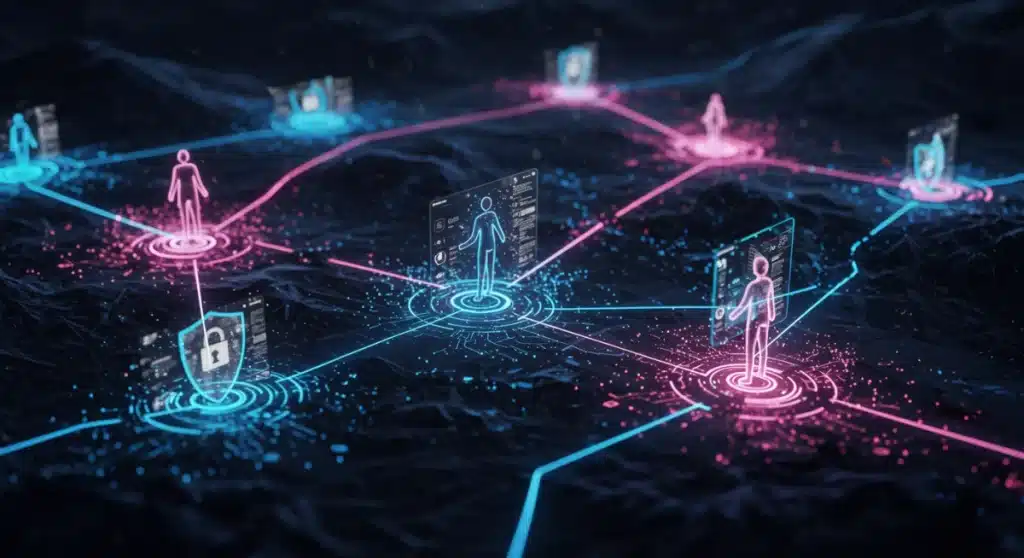
Securing digital assets and identities in the metaverse by 2025 necessitates robust, multi-layered strategies to combat evolving cyber threats and ensure user trust in decentralized environments.
The metaverse, a persistent and interconnected virtual environment, promises a new era of digital interaction, commerce, and identity. However, with this innovation comes a complex landscape of security challenges. Understanding and implementing robust strategies for navigating the metaverse: practical solutions for securing digital assets and identities in 2025 is not just an option, but a critical imperative for users and developers alike.
Understanding the evolving threat landscape in the metaverse
The metaverse introduces a unique set of vulnerabilities that traditional cybersecurity models may not fully address. As users invest more time, money, and personal data into these virtual worlds, the stakes for protecting digital assets and identities grow exponentially. The very nature of decentralization, while offering benefits, also presents new avenues for malicious actors to exploit.
Cybercriminals are constantly adapting their tactics, and the metaverse provides fertile ground for novel attack vectors. From sophisticated phishing schemes targeting digital wallets to identity theft within virtual spaces, the threats are diverse and ever-changing. Users must be aware that their virtual presence is as valuable, if not more so, than their online presence in traditional web environments.
New forms of cyber threats
- Avatar spoofing and identity theft: Malicious actors mimicking legitimate users or creating fake avatars to deceive others.
- Smart contract vulnerabilities: Exploiting flaws in the code of decentralized applications that manage digital assets.
- Phishing and social engineering in virtual spaces: Tricking users into revealing sensitive information through deceptive virtual interactions.
- NFT and digital asset scams: Creating fake NFTs or manipulating marketplaces to defraud users of their virtual possessions.
The scale and interconnectedness of the metaverse mean that a single vulnerability could have widespread repercussions. Therefore, a proactive and adaptive approach to security is essential. Developers are working tirelessly to build more secure infrastructure, but user vigilance remains a cornerstone of effective defense.
In essence, the metaverse’s immersive nature amplifies the impact of security breaches. Both individuals and platforms must prioritize security from the ground up, implementing robust protocols and fostering a culture of awareness to mitigate these evolving risks.
Decentralized identity and authentication in virtual worlds
One of the foundational pillars for securing the metaverse lies in the development and adoption of decentralized identity (DID) systems. Unlike traditional identity management, DIDs give users complete control over their personal data, allowing them to selectively disclose information without relying on central authorities. This paradigm shift is crucial for fostering trust and privacy in virtual environments.
Authentication in the metaverse moves beyond simple usernames and passwords, embracing multi-factor and biometric solutions. Integrating these advanced methods ensures that only the rightful owner can access their avatar, digital assets, and personal spaces. The goal is to create an identity layer that is both robust against sophisticated attacks and seamless for the user experience.
Implementing robust authentication protocols
- Multi-factor authentication (MFA): Combining something you know (password), something you have (device), and something you are (biometrics).
- Biometric verification: Utilizing facial recognition, fingerprint scans, or even voice recognition for identity confirmation.
- Decentralized identifiers (DIDs): User-controlled digital identities that are self-sovereign and verifiable across multiple metaverse platforms.
- Zero-knowledge proofs (ZKPs): Allowing users to prove information (e.g., age) without revealing the underlying data itself.
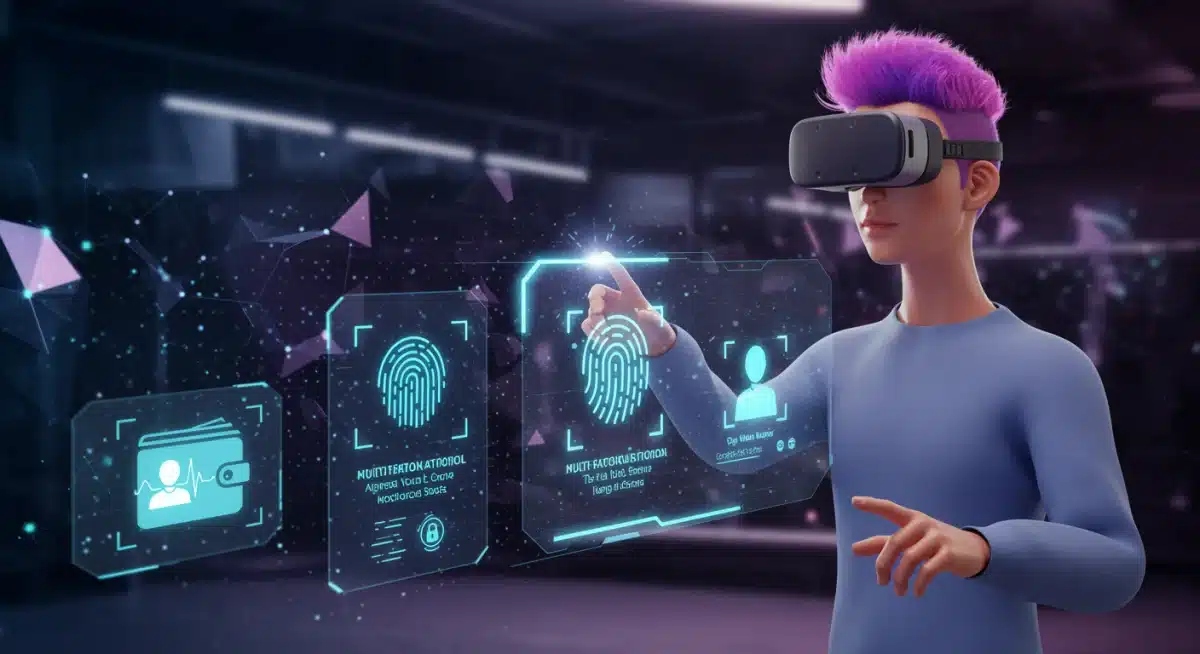
The implementation of DIDs will empower users, giving them granular control over their digital footprint. This not only enhances privacy but also reduces the risk of large-scale data breaches that plague centralized systems. As the metaverse expands, the interoperability of these identity solutions will be key to a truly secure and user-centric experience.
Ultimately, a secure metaverse hinges on empowering users with control over their digital identities. By embracing decentralized identity and advanced authentication, we can build virtual worlds where trust and privacy are fundamental, rather than afterthoughts.
Protecting digital assets: NFTs, cryptocurrencies, and virtual property
Digital assets, ranging from NFTs (Non-Fungible Tokens) representing virtual land or unique items to cryptocurrencies used for transactions, form the economic backbone of the metaverse. Securing these assets is paramount, as they often represent significant real-world value. The immutable nature of blockchain, while a strength, also means that once an asset is lost or stolen, recovery can be exceedingly difficult, if not impossible.
Effective protection strategies involve a combination of secure storage solutions, vigilant transaction practices, and an understanding of the underlying blockchain technology. Users must treat their digital wallets with the same, or even greater, care as their physical wallets, recognizing the potential for instant and irreversible loss.
Key strategies for asset protection
Securing digital assets in the metaverse requires a multi-pronged approach that goes beyond simple password protection. Users need to be educated on the nuances of blockchain technology and the various ways their assets can be compromised. This includes understanding the risks associated with linking wallets to unfamiliar platforms.
Hardware wallets offer a significant layer of security by storing private keys offline, making them impervious to online hacks. For those engaged in frequent transactions, understanding the security features of different software wallets and knowing when to use cold storage versus hot storage is crucial. Furthermore, vigilance against phishing attempts and malicious smart contracts is non-negotiable.
- Hardware wallets (cold storage): Physical devices that keep private keys offline, offering superior protection against online threats.
- Secure software wallets: Reputable digital wallets with strong encryption and regular security audits.
- Multi-signature wallets: Requiring multiple approvals for transactions, adding an extra layer of security for shared or high-value assets.
- Careful smart contract interaction: Always verify the source and audit status of smart contracts before approving transactions.
- Understanding NFT provenance: Ensuring the authenticity and ownership history of NFTs to avoid counterfeit items.
The continuous evolution of digital asset types and their associated marketplaces demands ongoing learning and adaptation from users. Staying informed about the latest security best practices and emerging threats is essential for safeguarding virtual property in the dynamic metaverse.
Cybersecurity best practices for metaverse users
While platforms bear a significant responsibility for building secure metaverse environments, individual users play an equally critical role in protecting themselves. Adopting robust cybersecurity best practices can significantly reduce the risk of falling victim to scams, hacks, and identity theft. This involves a combination of technical measures and conscious behavioral changes.
Education is a powerful tool in the metaverse. Users who understand the common attack vectors, such as phishing, social engineering, and malware, are better equipped to identify and avoid them. Furthermore, cultivating a skeptical mindset towards unsolicited offers or requests for personal information is a foundational defense.
Essential user security habits
Beyond technical safeguards, personal habits are often the first line of defense. Regularly updating software, being wary of suspicious links, and using strong, unique passwords for every platform are fundamental. These practices, often overlooked, can prevent a multitude of potential security breaches in the metaverse.
It is also important for users to understand the permissions they grant to metaverse applications and to revoke access when no longer needed. Over-sharing personal information or linking wallets to unverified platforms dramatically increases risk. A proactive and cautious approach to digital interactions is key to a secure metaverse experience.
- Strong, unique passwords and MFA: Employ complex passwords and always enable multi-factor authentication where available.
- Regular software updates: Keep all metaverse platforms, operating systems, and security software updated to patch vulnerabilities.
- Beware of phishing and scams: Verify the authenticity of links, emails, and in-world messages before clicking or interacting.
- Educate yourself on common threats: Understand how scams work to better identify and avoid them.
- Limit personal information sharing: Be judicious about what personal data you share within virtual environments.
By integrating these practices into their daily metaverse interactions, users can create a much stronger defense against the ever-present threats. Personal responsibility, combined with platform-level security, forms the most effective shield in the digital frontier.
Regulatory frameworks and governance in the metaverse
As the metaverse expands, the absence of clear regulatory frameworks poses significant challenges for security and user protection. Current laws designed for traditional internet use often fall short in addressing the complexities of decentralized, immersive virtual environments. Establishing coherent governance models is essential to foster trust, ensure accountability, and provide recourse for users.
International cooperation will be vital, as the metaverse transcends geographical borders. Regulators must grapple with issues such as data privacy, digital asset ownership, intellectual property rights, and jurisdiction in a borderless digital space. A balanced approach that encourages innovation while safeguarding users is the ultimate goal.
Challenges and opportunities in metaverse governance
Developing effective regulatory frameworks for the metaverse is a monumental task. It requires understanding nascent technologies, anticipating future developments, and collaborating across diverse legal and cultural landscapes. The decentralized nature of many metaverse projects further complicates traditional top-down regulatory approaches.
However, this also presents an opportunity to build governance models that are more agile and responsive than traditional systems. Concepts like decentralized autonomous organizations (DAOs) could play a role in self-governance, allowing communities to set and enforce their own rules. The key will be finding a hybrid approach that leverages both centralized oversight and decentralized community input to create a fair and secure metaverse.
- Data privacy regulations: Adapting GDPR and similar laws to the unique data flows and storage in the metaverse.
- Digital asset ownership and rights: Defining legal frameworks for NFTs and other virtual property.
- Cross-border jurisdiction: Addressing legal authority in a global, borderless virtual environment.
- Consumer protection: Safeguarding users from fraud, unfair practices, and exploitative systems within the metaverse.
- Platform accountability: Establishing clear responsibilities for metaverse platforms in maintaining security and user safety.
The development of these frameworks will not be a simple process, but it is a necessary one. A well-governed metaverse will be one where users feel secure, their rights are protected, and innovation can thrive responsibly.
Future-proofing metaverse security: AI, blockchain, and quantum resistance
Looking ahead to 2025 and beyond, the future of metaverse security will heavily rely on cutting-edge technologies like artificial intelligence (AI), advanced blockchain solutions, and eventually, quantum-resistant cryptography. These innovations offer the potential to create adaptive, intelligent defense systems that can stay ahead of evolving threats.
AI can be deployed to monitor for unusual activity, detect sophisticated attack patterns, and even predict potential vulnerabilities before they are exploited. Blockchain technology, beyond its role in digital assets, can enhance supply chain security for virtual goods and provide transparent, immutable records of events within the metaverse. The eventual threat of quantum computing necessitates proactive development of quantum-resistant cryptographic algorithms to protect long-term data integrity.
Emerging technologies for enhanced security
The integration of AI into security systems will allow for real-time threat detection and automated responses, moving beyond static rule-based protections. Machine learning models can analyze vast amounts of metaverse data to identify anomalies indicative of malicious activity, such as unusual avatar behavior or suspicious transaction patterns.
Further advancements in blockchain will enable more secure and verifiable interactions, from identity verification to the transfer of complex digital assets. Decentralized security protocols built on blockchain can offer a transparent and tamper-proof audit trail for all metaverse activities, enhancing trust and accountability. Preparing for quantum computing is also a critical long-term strategy, ensuring that current cryptographic standards are not rendered obsolete.
- AI-powered threat detection: Utilizing machine learning to identify and respond to novel cyber threats in real-time.
- Advanced blockchain protocols: Enhancing security through features like privacy-preserving transactions and robust consensus mechanisms.
- Quantum-resistant cryptography: Developing encryption methods that can withstand attacks from future quantum computers.
- Behavioral biometrics: Analyzing user interaction patterns to verify identity and detect account takeovers.
- Self-healing security systems: Autonomous systems capable of identifying, isolating, and remediating security breaches without human intervention.
Investing in these future-proof technologies is not just about reacting to threats but building a resilient and inherently secure metaverse from the ground up. This forward-thinking approach will be crucial in ensuring the longevity and trustworthiness of these immersive digital worlds.
| Key Point | Brief Description |
|---|---|
| Decentralized Identity | Users control their digital identities, enhancing privacy and reducing reliance on central authorities in the metaverse. |
| Digital Asset Security | Protecting NFTs, cryptocurrencies, and virtual property through hardware wallets and careful smart contract interaction. |
| User Best Practices | Adopting strong passwords, MFA, and vigilance against phishing are crucial for individual metaverse security. |
| Future Security Tech | AI, advanced blockchain, and quantum-resistant cryptography will underpin future metaverse security. |
Frequently asked questions about metaverse security
The biggest security risks include identity theft, phishing scams targeting digital wallets, smart contract vulnerabilities, and the proliferation of fake NFTs. Malicious actors leverage the immersive nature of the metaverse to deceive users, making vigilance and robust authentication crucial for protection.
Protecting digital assets involves using hardware wallets for cold storage, enabling multi-signature transactions, and exercising extreme caution with smart contracts. Always verify the legitimacy of platforms and NFTs, and never share your private keys or seed phrases with anyone to prevent unauthorized access.
Decentralized Identity (DID) gives users complete control over their digital credentials, allowing selective disclosure without central authorities. This enhances privacy, reduces the risk of large data breaches, and makes identity theft harder by decentralizing authentication, providing a more secure and user-centric approach to identity management.
Current laws are largely insufficient for the metaverse due to its decentralized, borderless, and rapidly evolving nature. New regulatory frameworks are needed to address data privacy, digital asset ownership, and cross-border jurisdiction, ensuring user protection while fostering innovation in these complex virtual environments.
AI will revolutionize threat detection and response by identifying complex attack patterns in real-time. Blockchain will enhance security through transparent, immutable records and advanced protocols for identity and asset management. These technologies will create more adaptive, resilient, and inherently secure metaverse environments against future threats.
Conclusion
The journey of navigating the metaverse: practical solutions for securing digital assets and identities in 2025 is a multifaceted endeavor that demands continuous innovation, user education, and collaborative governance. As these immersive digital worlds become an increasingly integral part of our lives, the imperative to secure them grows proportionally. By embracing decentralized identity, implementing robust asset protection strategies, adhering to cybersecurity best practices, and developing forward-thinking regulatory frameworks, we can collectively build a metaverse that is not only innovative and engaging but also fundamentally safe and trustworthy for all its inhabitants. The future of digital interaction depends on our ability to prioritize security today.