DAO Governance Frameworks 2025: Impact and Updates
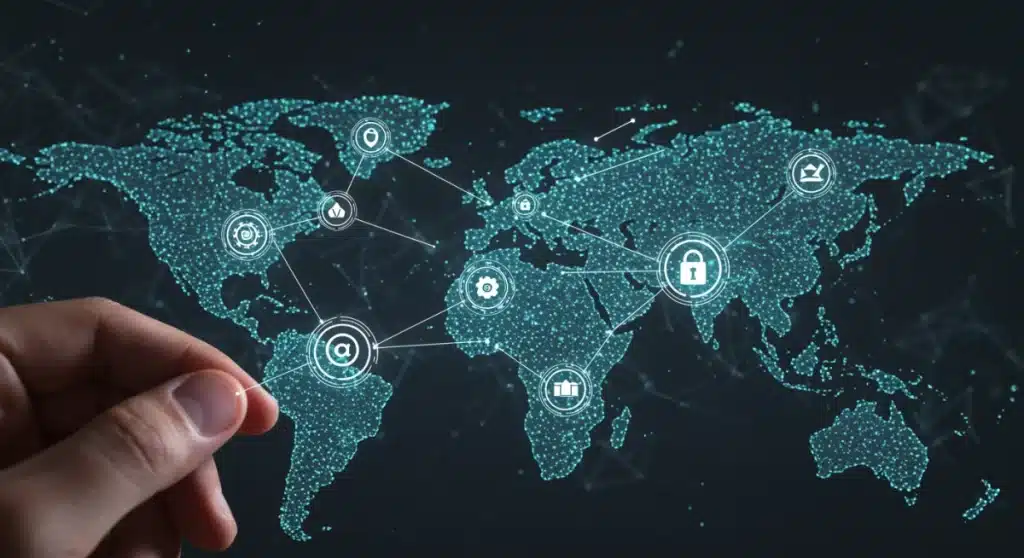
The first half of 2025 is anticipated to bring forth crucial advancements in DAO governance frameworks, aiming to bolster transparency, security, and scalability for decentralized autonomous organizations across the Web3 landscape.
As the Web3 ecosystem continues its rapid evolution, the spotlight increasingly turns to how decentralized autonomous organizations (DAOs) are governed. The first half of 2025 is poised to usher in a wave of significant DAO governance frameworks updates, promising to redefine how these community-led entities operate. These changes are not merely incremental; they represent a fundamental shift towards more robust, efficient, and truly decentralized decision-making processes.
The Evolving Landscape of DAO Governance
Decentralized Autonomous Organizations (DAOs) have emerged as a cornerstone of the Web3 movement, offering a new paradigm for collective coordination and value creation. However, the journey to truly effective and scalable DAO governance has been fraught with challenges. Early frameworks, while revolutionary in concept, often struggled with voter apathy, centralization risks, and complex proposal mechanisms. The upcoming updates in 2025 aim to address these critical pain points, fostering environments where community participation is not just encouraged but inherently streamlined.
These new frameworks are the culmination of years of experimentation and learning within the Web3 space. Developers, legal experts, and community members have collaborated to identify best practices and innovative solutions that can propel DAOs into their next phase of growth. The focus is increasingly on user-friendly interfaces, more democratic voting structures, and mechanisms that deter malicious actors while protecting minority stakeholders.
Addressing Core Challenges in Current DAO Models
Current DAO models often face several hurdles that limit their full potential. These include:
- Voter Apathy: Many token holders do not actively participate in governance votes, leading to low turnout and concentrated power.
- Centralization Risks: Despite being decentralized in principle, some DAOs can become de facto centralized if a small group of large token holders consistently dictates outcomes.
- Scalability Issues: As DAOs grow, managing a large number of proposals and ensuring timely decision-making can become unwieldy.
- Legal Uncertainty: The regulatory landscape for DAOs remains largely undefined, posing challenges for their real-world operations and interactions with traditional legal systems.
The new governance frameworks are designed with these challenges squarely in mind, offering technical and procedural innovations to build more resilient and equitable systems. By improving accessibility and incentivizing participation, these updates aim to democratize the decision-making process further, making DAOs more reflective of their broader communities.
In conclusion, the evolution of DAO governance is a continuous process of refinement and adaptation. The upcoming frameworks in 2025 represent a significant leap forward, promising to create more robust, transparent, and truly decentralized organizations that can effectively navigate the complexities of the Web3 landscape.
Key Innovations Driving New DAO Governance Frameworks
The impending updates to DAO governance frameworks are not simply minor tweaks; they embody a series of significant innovations designed to enhance the functionality and fairness of decentralized decision-making. These advancements aim to streamline processes, improve security, and foster greater community engagement, ultimately strengthening the resilience of DAOs.
One of the most anticipated innovations revolves around advanced voting mechanisms. Traditional one-token-one-vote systems have often been criticized for concentrating power among wealthy token holders. New frameworks are exploring quadratic voting, conviction voting, and delegative democracy models to distribute influence more equitably. These methods often allow for more nuanced expressions of preference and can empower smaller stakeholders to have a more meaningful say in governance outcomes.

Another crucial area of innovation is the integration of reputation-based systems. Beyond pure token holdings, these frameworks will consider a member’s historical contributions, expertise, and commitment to the DAO when weighing their governance influence. This approach seeks to reward active and valuable participants, moving beyond purely financial incentives to foster a stronger sense of community ownership and responsibility.
Enhanced Security Protocols and Risk Mitigation
Security remains paramount for any decentralized system, and new DAO governance frameworks are set to introduce advanced protocols to protect against various threats. These include:
- Multi-signature requirements: Implementing stricter multi-sig policies for critical treasury transactions and protocol upgrades.
- Time-locked proposals: Introducing mandatory delay periods for executing significant governance decisions, allowing for community review and potential vetoes.
- Formal verification: Utilizing formal methods to mathematically prove the correctness and security of smart contracts governing DAO operations.
- Dispute resolution mechanisms: Establishing clear, on-chain processes for resolving disputes and conflicts within the DAO, minimizing reliance on subjective interpretations.
These security enhancements are vital for building trust and ensuring the long-term viability of DAOs, particularly as they manage increasingly valuable assets and complex operations. By anticipating and mitigating potential attack vectors, the new frameworks aim to create a more secure environment for decentralized governance.
In essence, the innovations expected in 2025 are geared towards creating more dynamic, secure, and truly representative DAO governance models. By addressing both the technical and social aspects of decentralization, these frameworks are poised to unlock the full potential of community-driven organizations in the Web3 space.
The Impact on Decentralized Autonomous Organizations (DAOs)
The introduction of new DAO governance frameworks in early 2025 is expected to have a profound impact across the entire spectrum of decentralized autonomous organizations. This shift will likely influence everything from operational efficiency and decision-making speed to community engagement and overall ecosystem stability. Existing DAOs will need to adapt, and new ones will emerge with these advanced tools from their inception.
One of the most immediate impacts will be on decision-making efficiency. With improved voting mechanisms and clearer proposal processes, DAOs can expect to reduce the time it takes to pass critical resolutions. This agility is crucial in the fast-paced Web3 environment, allowing DAOs to respond more quickly to market changes, security vulnerabilities, or new opportunities. Enhanced clarity in governance structures will also reduce ambiguity, leading to more confident and informed participation.
Furthermore, the focus on reputation and delegated voting could significantly boost community engagement. By empowering active members and providing avenues for specialized expertise to be recognized, these frameworks can transform passive token holders into active contributors. This deeper involvement fosters a stronger sense of ownership and collective responsibility, which is vital for the long-term health and decentralization of any DAO.
Implications for Web3 Ecosystem Development
The broader Web3 ecosystem stands to benefit immensely from these advancements. More stable and efficient DAOs can:
- Attract more talent and capital: A robust governance structure signals maturity and trustworthiness, making DAOs more appealing to developers, investors, and users.
- Foster innovation: Clearer governance paths can accelerate the development and implementation of new features and protocols within DAO-led projects.
- Improve interoperability: Standardized governance practices could lead to better integration and collaboration between different DAOs and blockchain networks.
- Enhance regulatory clarity: As DAOs mature with well-defined governance, it may pave the way for more favorable regulatory environments, reducing legal uncertainties.
The impact extends beyond individual DAOs, influencing the entire Web3 narrative towards greater decentralization and community empowerment. These frameworks represent a critical step in realizing the promise of a truly distributed internet, where control is shared and decisions are made transparently by the collective.
Ultimately, the new DAO governance frameworks are set to usher in an era of more mature, resilient, and effective decentralized organizations. Their influence will ripple through the Web3 space, fostering innovation, attracting investment, and strengthening the foundational principles of decentralization.
Challenges and Considerations for Adoption
While the new DAO governance frameworks promise significant improvements, their successful adoption is not without challenges. The transition to more sophisticated systems requires careful planning, extensive community education, and a willingness to adapt by existing DAOs. Overcoming these hurdles will be crucial for realizing the full potential of these advancements.
One primary challenge is the inherent complexity of migrating existing DAOs to new governance models. This often involves intricate smart contract upgrades, token holder consensus, and potential legal or operational reconfigurations. Ensuring a smooth transition without disrupting ongoing operations or alienating community members will require robust communication strategies and incremental implementation approaches. Moreover, the learning curve for new voting mechanisms or reputation systems can be steep for some participants, necessitating comprehensive educational resources.
Another significant consideration is the potential for fragmentation. As various new frameworks emerge, there’s a risk that DAOs might adopt differing standards, potentially hindering interoperability and collaboration across the broader Web3 ecosystem. The industry will need to navigate this by fostering best practices and encouraging a degree of standardization where appropriate, without stifling innovation or true decentralization.
Overcoming Resistance to Change
Implementing new governance frameworks also faces human elements of resistance. Key challenges include:
- Vested interests: Existing power structures within DAOs might resist changes that dilute their influence.
- Technical literacy: Not all community members possess the technical understanding required to fully engage with complex new systems.
- Coordination overhead: The effort required to educate, onboard, and gain consensus from a large, distributed community can be substantial.
- Security audit costs: Thoroughly auditing new smart contracts and governance logic before deployment is essential but can be costly and time-consuming.
Addressing these challenges will require a concerted effort from framework developers, DAO core teams, and the community at large. Transparency, clear communication, and inclusive decision-making processes during the transition period will be vital for building trust and ensuring widespread adoption.
In summary, while the new DAO governance frameworks offer exciting prospects, their successful integration depends on effectively managing technical complexities, fostering community understanding, and overcoming inherent human resistance to change. A thoughtful and collaborative approach will be essential for navigating this transformative period.
Regulatory Landscape and Legal Ramifications
The emergence of new DAO governance frameworks in 2025 will inevitably intersect with an evolving and often uncertain regulatory landscape. As DAOs become more sophisticated and impactful, governments and regulatory bodies worldwide are grappling with how to classify and oversee these decentralized entities. Understanding these legal ramifications is crucial for DAOs operating, particularly those interacting with traditional financial systems or real-world assets.
Currently, there is no universally accepted legal framework for DAOs, leading to a patchwork of interpretations across different jurisdictions. Some regions are exploring specific legal wrappers for DAOs, such as limited liability companies (LLCs) or foundations, to provide them with legal personality and clarity. However, these solutions often introduce elements of centralization that contradict the core ethos of decentralization. The new governance frameworks, with their emphasis on transparency and verifiable on-chain actions, might offer a path towards more self-governing and legally robust structures, potentially influencing future regulatory approaches.
The legal implications extend to areas such as taxation, liability, and compliance with anti-money laundering (AML) and know-your-customer (KYC) regulations. DAOs, especially those managing significant treasuries or engaging in financial activities, will need to navigate these complex requirements. The new frameworks could incorporate features that assist in compliance, such as identity verification modules for specific governance actions or transparent financial reporting tools, without compromising the fundamental principles of decentralization.
Navigating Global Jurisdictions
Key legal considerations for DAOs under new frameworks include:
- Jurisdictional arbitrage: DAOs may choose to establish their legal domicile in jurisdictions with more favorable or clearer regulatory environments.
- Token classification: Whether DAO governance tokens are classified as securities or commodities can have significant regulatory consequences.
- Member liability: The extent to which individual DAO members can be held liable for the actions of the DAO remains a critical legal question.
- Intellectual property: How intellectual property generated by a DAO is owned and managed under new frameworks will also need clear legal definitions.
The interplay between technological advancements in DAO governance and the slow-moving pace of legal reform will be a defining aspect of 2025. DAOs that proactively engage with legal experts and adapt their governance to emerging regulatory clarity will be better positioned for long-term success and broader mainstream adoption.
In essence, the new DAO governance frameworks in 2025 are not just technological upgrades; they are also critical steps in defining the legal identity and operational boundaries of decentralized organizations. Navigating the regulatory maze will require strategic foresight and a commitment to establishing legally sound and transparent governance practices.
Case Studies and Early Adopters of Advanced Frameworks
As the first half of 2025 approaches, several forward-thinking DAOs and Web3 projects are already demonstrating an appetite for adopting or experimenting with advanced governance frameworks. These early adopters serve as critical testbeds, providing valuable insights into the practical implementation and real-world benefits and challenges of these new systems. Their experiences will undoubtedly shape the broader trajectory of DAO evolution.
One notable trend among early adopters is the move towards modular governance structures. Instead of a monolithic framework, DAOs are opting for a flexible approach where different aspects of governance (e.g., treasury management, protocol upgrades, community grants) can be managed by distinct, specialized sub-DAOs or committees, each with its own tailored governance model. This modularity allows for greater efficiency and expertise in specific areas, reducing the burden on the main DAO and promoting more agile decision-making.
Another area of early adoption involves the integration of sophisticated on-chain identity and reputation systems. Projects are exploring ways to assign verifiable credentials to participants based on their contributions, expertise, and past governance activity. This moves beyond simple token-weighted voting to a more meritocratic system, where influence can be earned through active and positive engagement, fostering a more robust and engaged community.
Examples of Emerging Governance Strategies
Early adopters are experimenting with diverse strategies, including:
- Hybrid governance models: Combining on-chain voting with off-chain forums and discussions to achieve a balance between decentralization and practicality.
- Delegated voting with recall mechanisms: Allowing token holders to delegate their voting power to trusted representatives, with the ability to revoke delegation if performance is unsatisfactory.
- Incentivized participation: Implementing micro-incentives or quadratic funding models to encourage broader participation in governance votes and proposal submissions.
- Conflict resolution DAOs: Creating specialized DAOs or sub-DAOs focused solely on mediating disputes and enforcing ethical guidelines within the broader ecosystem.
These case studies highlight a growing understanding that effective DAO governance is not a one-size-fits-all solution. Instead, it requires a nuanced approach that considers the specific goals, community dynamics, and operational needs of each decentralized organization. The lessons learned from these early implementations will be invaluable for the wider adoption of new frameworks.
In conclusion, the pioneering efforts of early adopters are instrumental in validating and refining the next generation of DAO governance frameworks. Their experiences will provide a practical roadmap for other DAOs looking to enhance their decentralization, efficiency, and community engagement in the dynamic Web3 landscape.
The Future of Decentralized Governance Beyond 2025
The advancements in DAO governance frameworks expected in the first half of 2025 are not an endpoint but rather a crucial stepping stone towards a more mature and resilient future for decentralized governance. Looking beyond 2025, the trajectory suggests an accelerating pace of innovation, driven by evolving technological capabilities and the increasing mainstream adoption of Web3 technologies. The landscape of decentralized decision-making is set to become even more sophisticated and integrated into various aspects of digital and real-world operations.
One significant trend anticipated is the deeper integration of AI and machine learning into governance processes. While still in nascent stages, AI could assist DAOs in analyzing vast amounts of data, identifying potential risks, summarizing complex proposals, and even facilitating more informed debates. The goal would not be to replace human decision-making but to augment it, providing tools for more efficient and intelligent governance without centralizing control.
Furthermore, we can expect to see the rise of ‘meta-governance’ structures, where DAOs govern other DAOs, or where standardized governance protocols emerge to facilitate seamless interaction and collaboration between independent decentralized entities. This could lead to highly complex, interconnected networks of DAOs forming decentralized ecosystems that operate with unprecedented levels of coordination and autonomy.
Emerging Concepts and Technologies
The future of decentralized governance will likely incorporate:
- Zero-knowledge proofs (ZKPs): Enhancing privacy in voting and confidential proposal submissions, allowing participants to prove knowledge without revealing sensitive information.
- Soulbound tokens (SBTs): Non-transferable tokens representing reputation, identity, or credentials, potentially forming the basis for advanced, non-financialized governance influence.
- Decentralized identity (DID): Providing self-sovereign identity solutions that can be integrated into governance for verifiable participation without relying on centralized authorities.
- Interchain governance: Enabling DAOs to manage assets and make decisions across multiple blockchain networks, fostering true cross-chain interoperability.
These emerging technologies, combined with the foundational improvements from the 2025 frameworks, will pave the way for DAOs to tackle increasingly complex global challenges, from managing digital public goods to coordinating climate action. The vision is one where decentralized governance becomes a standard, reliable, and powerful mechanism for collective human organization.
In conclusion, the future of decentralized governance beyond 2025 promises a landscape of continuous innovation and integration. As technologies advance and regulatory clarity improves, DAOs are poised to become even more impactful forces, fundamentally reshaping how decisions are made and how value is created in a truly decentralized world.
| Key Aspect | Brief Description |
|---|---|
| Enhanced Voting Mechanisms | Introduction of quadratic, conviction, and delegated voting to ensure more equitable power distribution and reduce voter apathy. |
| Reputation-Based Systems | Integrating member contributions and expertise into governance influence, moving beyond solely token-weighted voting. |
| Advanced Security Protocols | Implementation of multi-sig requirements, time-locked proposals, and formal verification to protect DAO assets and decisions. |
| Regulatory Adaptation | Frameworks designed to provide greater clarity and tools for DAOs to navigate evolving legal and compliance requirements. |
Frequently Asked Questions About New DAO Governance Frameworks
The primary goals include enhancing decision-making efficiency, improving security against malicious actors, increasing community participation, and fostering greater decentralization. These frameworks aim to address limitations in current models such as voter apathy and potential centralization risks, making DAOs more robust and democratic.
New frameworks are expected to significantly boost voter participation through advanced mechanisms like quadratic voting and reputation-based systems. By making voting more equitable and rewarding active contributions, they aim to reduce apathy and empower a broader range of community members to influence governance outcomes effectively.
Security will be enhanced through measures like stricter multi-signature requirements for critical transactions, time-locked proposals allowing for community review, and formal verification of smart contracts. These protocols are designed to protect DAO treasuries and decision-making processes from vulnerabilities and attacks.
While not a direct legal solution, the new frameworks aim to provide greater transparency and verifiable on-chain actions, which could positively influence future regulatory clarity. By establishing more robust and auditable governance practices, DAOs may find it easier to navigate legal complexities and interact with traditional systems.
Beyond 2025, AI and machine learning are anticipated to assist DAOs in data analysis, risk identification, and summarizing complex proposals. This integration aims to augment human decision-making, leading to more efficient and intelligent governance processes without compromising the fundamental principles of decentralization and community control.
Conclusion
The impending updates to DAO governance frameworks in the first half of 2025 mark a pivotal moment for the Web3 ecosystem. These advancements promise to address long-standing challenges, paving the way for more efficient, secure, and truly decentralized autonomous organizations. By fostering greater participation, enhancing security protocols, and adapting to a complex regulatory landscape, DAOs are poised to become even more powerful instruments for collective action and innovation. The journey towards fully realized decentralized governance is continuous, but the upcoming frameworks represent a significant leap forward, solidifying the foundation for a more robust and equitable digital future.