NFT Utility Tokens: Unlocking New Revenue Streams for US Businesses by 2026 (FINANCIAL IMPACT)
The digital landscape is constantly evolving, and at the forefront of this transformation are Non-Fungible Tokens (NFTs). While initially gaining notoriety for their role in digital art and collectibles, the true revolutionary potential of NFTs lies in their utility. Specifically, NFT utility tokens are poised to reshape how businesses operate, engage with customers, and, most importantly, generate revenue. By 2026, the financial impact of these tokens on US businesses is projected to be substantial, opening up unprecedented opportunities for innovation and growth.
This comprehensive guide delves into the intricate world of NFT utility tokens, exploring their fundamental concepts, diverse applications, strategic implementation, and the profound financial implications for businesses across various sectors. We will examine how these digital assets can move beyond mere speculation to become integral components of business models, fostering stronger communities, enabling novel monetization strategies, and ultimately driving significant economic value.
Understanding the Core: What are NFT Utility Tokens?
To fully grasp the transformative power of NFT utility tokens, it’s crucial to first understand their foundational definition. Unlike traditional cryptocurrencies which are fungible (interchangeable, like dollar bills), NFTs are unique and indivisible digital assets stored on a blockchain. Each NFT possesses a distinct identity, making it ideal for representing ownership of unique items or access rights.
A utility token, in general, provides access to a product, service, or feature within an ecosystem. When we combine the unique, verifiable nature of an NFT with the functional aspect of a utility token, we get an NFT utility token. These are NFTs that grant their holders specific rights, benefits, or access within a particular ecosystem, whether it’s a digital platform, a physical space, or a hybrid model.
The value of an NFT utility token is not solely derived from its scarcity or aesthetic appeal, but from the tangible benefits and functionalities it provides. This distinction is paramount when considering their financial impact on businesses. It shifts the focus from speculative trading to long-term value creation and sustainable revenue generation.
The Evolution from Collectibles to Core Business Assets
The initial surge in NFT popularity was driven by digital art and collectibles, epitomized by projects like CryptoPunks and Bored Ape Yacht Club. While these showcased the underlying technology, they often overshadowed the practical applications. However, forward-thinking businesses quickly recognized that the immutable ownership and programmable nature of NFTs could be leveraged for much more than just digital bragging rights.
Today, the conversation has moved beyond mere collectibles. Businesses are now exploring how NFT utility tokens can serve as:
- Membership Passes: Granting exclusive access to communities, content, or events.
- Loyalty Rewards: Offering unique perks, discounts, or early access to products/services.
- Digital Licenses: Representing ownership or usage rights for software, media, or intellectual property.
- Event Tickets: Providing verifiable, non-transferable access to concerts, conferences, or sports events, combating counterfeiting.
- In-Game Assets: Giving players true ownership of items within virtual worlds, fostering secondary markets.
- Supply Chain Verification: Tracking product authenticity and origin.
This shift from speculative assets to functional tools is what makes NFT utility tokens a game-changer for revenue generation. They enable businesses to create entirely new value propositions and monetize existing ones in innovative ways.
Diverse Applications of NFT Utility Tokens in US Businesses
The versatility of NFT utility tokens means their applications are limited only by imagination. Across various sectors, US businesses are beginning to experiment with and implement these tokens to enhance customer engagement, streamline operations, and, crucially, open up novel revenue streams. Let’s explore some prominent examples and potential future developments.
Gaming and Metaverse: The Frontier of Digital Ownership
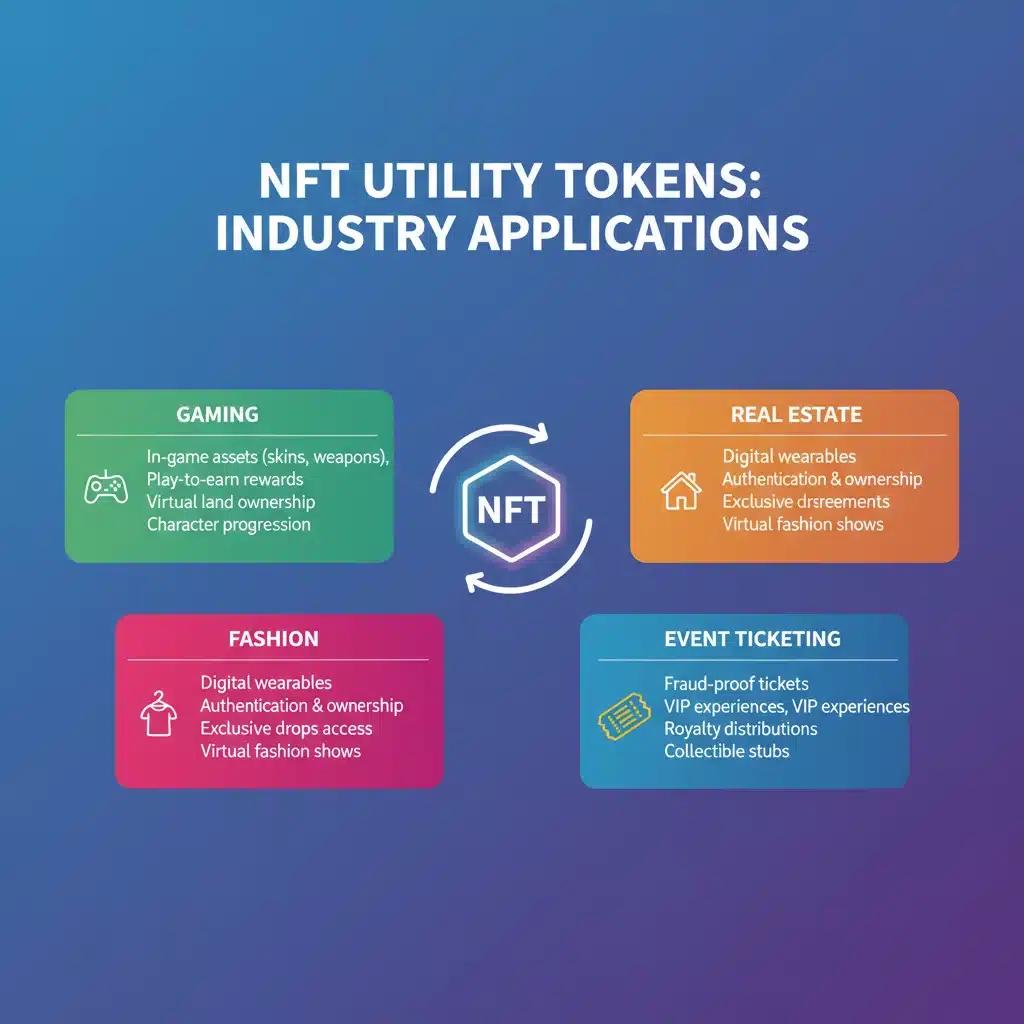
The gaming industry is arguably one of the most natural fits for NFT utility tokens. Players can truly own in-game assets like skins, weapons, land, or even characters. This ownership allows for:
- Secondary Market Royalties: Game developers can program royalties into NFTs, earning a percentage every time an asset is resold on a secondary marketplace. This creates a continuous revenue stream long after the initial sale.
- Enhanced Player Engagement: True ownership fosters deeper investment in the game ecosystem, potentially leading to increased playtime and spending.
- New Monetization Models: Selling limited-edition NFT game assets, virtual land, or access passes to exclusive in-game experiences.
The burgeoning metaverse space, which aims to create persistent, interconnected virtual worlds, will heavily rely on NFT utility tokens to represent digital identity, property, and economic activity, providing vast opportunities for businesses to create and monetize virtual goods and services.
Fashion and Retail: Exclusive Access and Digital Collectibles
Luxury brands and retailers are leveraging NFTs to create exclusive experiences and combat counterfeiting:
- Digital Twins: Selling an NFT that represents the digital twin of a physical luxury item. This can be used in the metaverse, for authentication, or to unlock exclusive content.
- Exclusive Access Tokens: An NFT could grant holders early access to new product drops, VIP events, or personalized styling services. This drives brand loyalty and creates a sense of exclusivity that customers are willing to pay for.
- Loyalty Programs: Replacing traditional points-based systems with tiered NFT loyalty tokens that unlock progressively better rewards and experiences.
These applications not only drive direct sales but also enhance brand perception and customer lifetime value, contributing significantly to revenue growth.
Media and Entertainment: Fan Engagement and Content Monetization
The media and entertainment industries can utilize NFT utility tokens to deepen fan engagement and create new content monetization avenues:
- Fan Club Memberships: NFTs can serve as digital memberships, offering exclusive content, behind-the-scenes access, meet-and-greets, or voting rights on future projects.
- Royalty Distribution: Artists and creators can use NFTs to democratize royalty distribution, allowing fans to own a small share of their work and receive passive income.
- Interactive Content: NFTs that unlock different story paths, character interactions, or personalized experiences within digital media.
This provides direct revenue streams for creators and builds stronger, more engaged fan communities.
Real Estate and Ticketing: Verification and Fractional Ownership
While seemingly disparate, real estate and ticketing share a common need for verifiable ownership and authenticity, which NFT utility tokens provide:
- Fractional Real Estate Ownership: NFTs can represent fractional ownership of properties, making real estate investment more accessible and liquid. This opens up new investment products and revenue streams for real estate firms.
- Event Ticketing: NFT tickets can combat scalping and counterfeiting, ensuring legitimate resale markets where event organizers can earn a royalty on secondary sales. They can also provide unique fan experiences or post-event digital memorabilia.
These applications enhance security, transparency, and create new financial models within traditional industries.
The Financial Impact: How NFT Utility Tokens Drive Revenue Growth
The promise of NFT utility tokens for US businesses isn’t just about technological novelty; it’s about tangible financial benefits. By 2026, businesses that strategically integrate these tokens can expect to see significant impacts on their balance sheets through various mechanisms.
Direct Sales of Utility-Enabled NFTs
The most straightforward revenue stream comes from the direct sale of NFT utility tokens themselves. Whether it’s a membership pass, a digital asset for a game, or an exclusive access token, businesses can price these NFTs based on the utility they offer and the demand within their ecosystem. This represents a new product line entirely, independent of existing physical or digital goods and services.
For example, a sports team could sell a limited series of NFT season passes that grant not only game access but also exclusive locker room tours and Q&A sessions with players. The premium pricing for such an NFT would far exceed a traditional season ticket, creating a high-value revenue stream.
Secondary Market Royalties
One of the most revolutionary aspects of NFT utility tokens is the ability to program royalties into their smart contracts. This means that every time an NFT is resold on a secondary marketplace, the original creator or business can automatically receive a percentage of the sale price. This creates a perpetual revenue stream that incentivizes the creation of valuable, long-lasting digital assets.
Consider a designer who sells a unique digital outfit as an NFT. If that NFT is resold ten times over several years, the designer earns a royalty on each sale, providing ongoing income from a single initial creation. This model fundamentally changes how intellectual property can be monetized.
Enhanced Customer Loyalty and Lifetime Value
NFT utility tokens can act as powerful tools for building and nurturing customer loyalty. By offering exclusive benefits, personalized experiences, and a sense of community, businesses can significantly increase customer retention and lifetime value. Loyal customers are more likely to make repeat purchases, spend more, and act as brand ambassadors.
A coffee shop chain, for instance, could issue an NFT that grants holders a lifetime discount, early access to new blends, and invitations to tasting events. The initial sale of this NFT would generate revenue, but the long-term benefit comes from the sustained business from these highly engaged customers.
New Monetization Models for Digital and Physical Assets
The advent of NFT utility tokens allows businesses to monetize assets and experiences that were previously difficult or impossible to monetize. This includes:
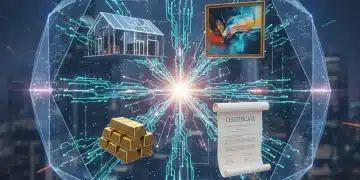
- Fractional Ownership: Monetizing high-value assets (art, real estate, luxury goods) by selling fractional NFT ownership, making them accessible to a wider investor base.
- Time-Bound Access: Selling NFTs that grant access to a service or content for a specific period, similar to a subscription but with the added benefit of secondary market potential for the NFT itself.
- Dynamic Pricing and Tiered Access: Creating different tiers of NFTs, each offering varying levels of utility and priced accordingly, catering to different customer segments.
These new models create entirely new revenue streams and expand the addressable market for many businesses.
Operational Efficiencies and Cost Savings
Beyond direct revenue generation, NFT utility tokens can also lead to significant operational efficiencies and cost savings. For example, in event ticketing, NFTs can drastically reduce the costs associated with printing, distribution, and combating counterfeit tickets. The transparency of the blockchain also reduces disputes and administrative overhead.
In supply chain management, NFTs can provide immutable records of product origin and movement, reducing fraud, improving traceability, and potentially lowering insurance costs. These indirect financial benefits contribute to the overall profitability of a business.
Strategic Implementation: Navigating the NFT Landscape
For US businesses to successfully leverage NFT utility tokens, a well-defined strategy is essential. It’s not enough to simply create an NFT; it must be integrated thoughtfully into the existing business model and offer clear value to the target audience.
Identifying the Right Use Case
The first step is to identify where NFT utility tokens can provide the most value. Businesses should ask:
- What unique experiences or access can we offer that are enhanced by digital ownership?
- How can NFTs solve existing problems (e.g., counterfeiting, loyalty program inefficiencies)?
- What new communities can we build or strengthen through NFT-gated access?
- How can NFTs create a new, sustainable revenue stream that aligns with our brand?
A clear understanding of the problem being solved or the value being created is paramount.
Choosing the Right Blockchain and Platform
The choice of blockchain (e.g., Ethereum, Polygon, Solana, Flow) is critical, as it impacts transaction fees (gas fees), speed, scalability, and environmental impact. Businesses must also consider whether to use an existing NFT marketplace or build their own custom platform. Factors like security, user experience, and integration capabilities should guide these decisions.
Legal and Regulatory Considerations
The regulatory landscape for NFTs is still evolving. Businesses must navigate issues related to:
- Securities Law: Ensuring their NFT utility tokens are not classified as securities, which would trigger stringent regulatory requirements. This often involves ensuring the primary value is derived from utility, not speculative profit.
- Consumer Protection: Clearly communicating the rights and benefits associated with the NFT.
- Intellectual Property: Defining ownership rights for the underlying digital assets.
- Taxation: Understanding the tax implications for both the business and NFT holders.
Consulting with legal experts specializing in blockchain and digital assets is crucial to mitigate risks.

Community Building and Marketing
Success with NFT utility tokens heavily relies on community engagement. Businesses need to:
- Educate the Audience: Clearly explain the value and utility of their NFTs.
- Foster Community: Use platforms like Discord, Twitter, and Telegram to build a strong, engaged community around their NFT project.
- Provide Ongoing Value: Continuously deliver on the promised utility and explore new benefits for NFT holders to maintain long-term interest and demand.
A well-executed marketing strategy that highlights the unique value proposition of the NFT is vital for adoption and sustained interest.
Scalability and Future-Proofing
As the NFT space matures, businesses must consider the scalability of their chosen solutions. Can the infrastructure handle increased demand? Is the utility flexible enough to adapt to future technological advancements or market changes? Building a future-proof strategy ensures that the investment in NFT utility tokens continues to yield returns in the long run.
Challenges and Risks in Adopting NFT Utility Tokens
While the opportunities are vast, businesses must also be aware of the challenges and risks associated with adopting NFT utility tokens.
Market Volatility and Perception
The broader NFT market has experienced significant volatility, and public perception can be heavily influenced by speculative hype cycles. Businesses must differentiate their utility-focused NFTs from purely speculative collectibles and clearly communicate the long-term value they offer.
Technical Complexity and User Experience
For many mainstream users, interacting with blockchain technology (setting up wallets, understanding gas fees, managing private keys) can be complex. Businesses need to prioritize user-friendly interfaces and onboarding processes to ensure broad adoption of their NFT utility tokens.
Security Concerns
Smart contract vulnerabilities, phishing attacks, and wallet compromises are real threats in the blockchain space. Robust security measures, thorough auditing of smart contracts, and educating users on best practices are essential to protect both the business and its customers.
Environmental Impact
The energy consumption of some blockchains (particularly proof-of-work chains like Ethereum 1.0, though Ethereum 2.0 has shifted to proof-of-stake) has been a concern. Businesses should consider using more energy-efficient blockchains or clearly communicate their environmental mitigation strategies if this is a factor for their customers.
The Future Outlook: 2026 and Beyond
By 2026, the landscape of US business will likely be significantly shaped by the widespread adoption of NFT utility tokens. We can anticipate several key trends:
- Mainstream Integration: NFTs will move beyond niche crypto communities and become integrated into everyday business operations and consumer experiences. Major brands will routinely offer NFT-gated access, loyalty programs, and digital assets.
- Interoperability: As the ecosystem matures, NFT utility tokens will become more interoperable across different platforms and metaverses, enhancing their value and utility.
- Regulatory Clarity: While still evolving, regulatory frameworks will likely become clearer, providing more certainty for businesses looking to innovate with NFTs.
- Innovation in Utility: The types of utility offered by NFTs will become increasingly sophisticated, moving beyond simple access to include more complex, programmable functionalities that adapt to user behavior and external data.
- Blended Realities: The line between digital and physical utility will blur, with NFTs providing benefits in both realms. Imagine an NFT that grants access to a digital concert in the metaverse and a VIP pass to the artist’s physical concert tour.
The businesses that embrace this technology early and strategically will be best positioned to capture significant market share and unlock substantial new revenue streams.
Conclusion: Seizing the Opportunity with NFT Utility Tokens
The evolution of NFTs from speculative digital collectibles to powerful NFT utility tokens represents a paradigm shift for US businesses. By 2026, these tokens will be instrumental in creating innovative revenue streams, fostering deeper customer engagement, and driving operational efficiencies across a multitude of industries.
The financial impact will be felt through direct sales, perpetual secondary market royalties, enhanced customer loyalty, and entirely new monetization models for both digital and physical assets. However, realizing this potential requires a strategic approach, careful consideration of legal and technical aspects, and a strong focus on delivering tangible value to the end-user.
Businesses that are prepared to understand, experiment with, and strategically implement NFT utility tokens will not only stay competitive but will also lead the charge in defining the next era of digital commerce and customer interaction. The future of business is being tokenized, and the opportunities for those who adapt are immense.