Hardware Wallet Security: 4 Critical Updates for US Users by Q1 2026
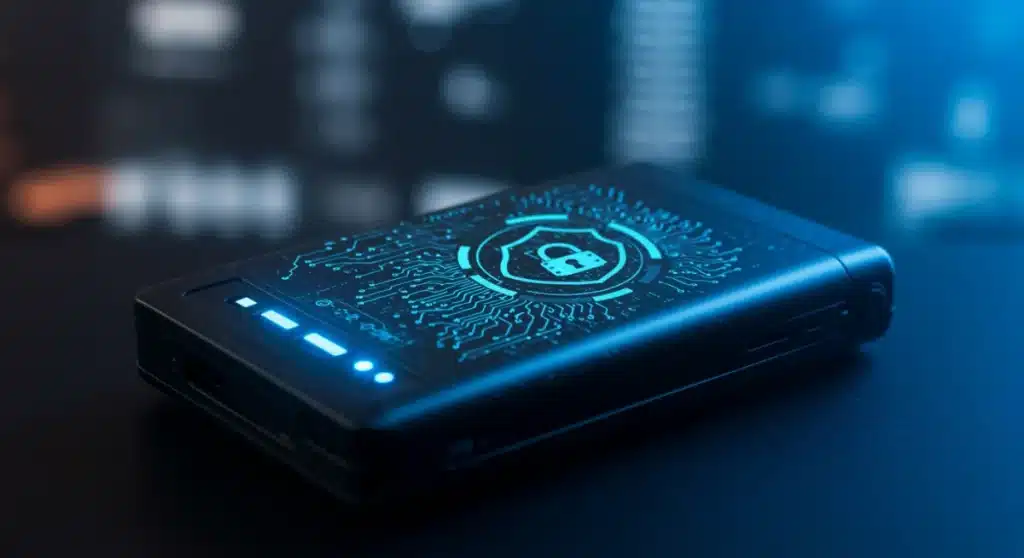
US users are advised to implement four critical hardware wallet security updates by Q1 2026 to safeguard their digital assets against escalating cyber threats and comply with anticipated regulatory shifts in the cryptocurrency landscape.
As the digital asset landscape continues its rapid evolution, ensuring the impregnability of your cryptocurrency holdings has never been more vital. For US users, the deadline to implement crucial hardware wallet security updates by Q1 2026 is fast approaching, marking a pivotal moment for protecting your investments against increasingly sophisticated threats. This guide will walk you through the essential upgrades and best practices to fortify your digital defenses.
The Evolving Threat Landscape for Digital Assets
The allure of digital assets, from Bitcoin to emerging altcoins, has unfortunately attracted a parallel rise in cybercrime. As technology advances, so do the methods employed by malicious actors, making proactive security measures not just advisable, but imperative. Understanding these threats is the first step toward building an unbreachable defense.
In 2026, the complexity of cyberattacks has reached new heights. Phishing scams are more convincing, malware is more insidious, and zero-day exploits are constantly being discovered. Hardware wallets, while offering superior security compared to software alternatives, are not entirely immune if not properly updated and maintained. Users must remain vigilant and informed about the latest attack vectors.
Advanced Phishing and Supply Chain Attacks
Phishing attempts now often mimic official communications with uncanny accuracy, tricking users into revealing sensitive information. Beyond direct attacks, supply chain vulnerabilities, where malicious code is injected into legitimate software or hardware during manufacturing or distribution, pose a significant risk. These sophisticated attacks target the very foundation of trust in our digital infrastructure.
- Sophisticated Email Scams: Look for subtle inconsistencies in sender addresses or grammar.
- Website Spoofing: Always verify URLs, especially before entering seed phrases or passwords.
- Supply Chain Interception: Purchase hardware wallets only from official vendors and inspect packaging thoroughly.
The digital security landscape is a dynamic battlefield, requiring continuous adaptation. Staying ahead means not only understanding current threats but also anticipating future ones. This proactive stance is what will ultimately safeguard your valuable digital assets.
Update 1: Enhanced Multi-Signature Protocol Integration
One of the most significant advancements in hardware wallet security is the widespread adoption and enhancement of multi-signature (multi-sig) protocols. By Q1 2026, US users should ensure their hardware wallets support and utilize robust multi-sig capabilities, moving beyond single-signature reliance for high-value transactions. This update dramatically increases the security threshold for your funds.
Multi-sig requires multiple private keys to authorize a transaction, essentially creating a digital vault that needs several keys to open. This is particularly crucial for institutional investors, DAOs, and individuals holding substantial amounts of cryptocurrency. The implementation of enhanced multi-sig protocols reduces the risk of a single point of failure, such as a lost or compromised device.
Implementing Multi-Sig for Increased Protection
Setting up multi-sig involves designating multiple co-signers, which could be other hardware wallets, trusted individuals, or even specific software wallets. For optimal security, diversify the storage locations and types of these co-signing devices to prevent simultaneous compromise.
- Diverse Co-Signer Selection: Use a combination of devices and locations for co-signers.
- Threshold Configuration: Determine the minimum number of signatures required for a transaction (e.g., 2-of-3 or 3-of-5).
- Regular Review: Periodically review and update your multi-sig setup, especially if co-signers change.
The move towards advanced multi-signature protocols by Q1 2026 is not just a recommendation; it’s becoming a standard for anyone serious about the long-term security of their digital holdings in the US market. This layer of defense acts as a formidable barrier against unauthorized access.
Update 2: Firmware Audits and Trusted Execution Environments (TEEs)
The integrity of your hardware wallet’s firmware is paramount. By Q1 2026, US users must prioritize hardware wallets that offer verifiable firmware audits and integrate Trusted Execution Environments (TEEs). These features provide an additional layer of assurance that the device’s operating system is genuine and free from tampering.
Firmware audits involve independent security researchers scrutinizing the code that runs your hardware wallet. This transparency helps identify and patch vulnerabilities before they can be exploited. TEEs, on the other hand, create a secure, isolated environment within the device where sensitive operations, like signing transactions, can occur without interference from the main operating system or potential malware.
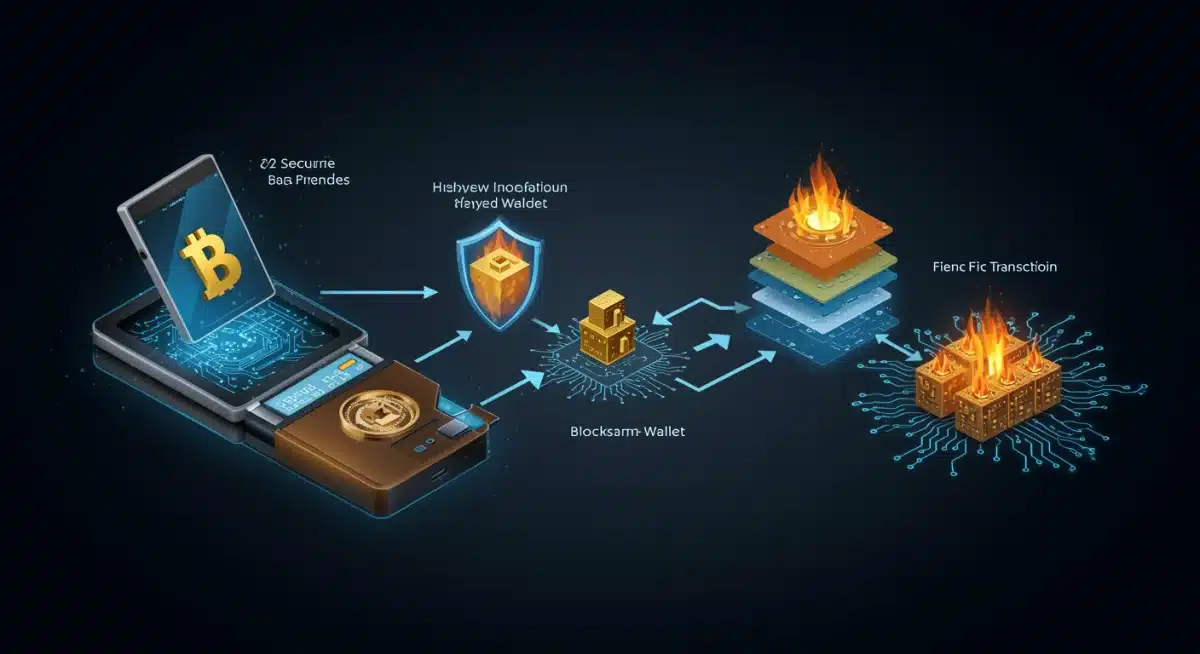
Verifying Firmware and Utilizing TEEs
Always ensure you are downloading firmware updates directly from the official manufacturer’s website. Cross-reference checksums or hashes provided by the manufacturer to confirm the integrity of the downloaded file. For TEEs, understand how your specific hardware wallet leverages this technology and ensure it is always active during critical operations.
- Official Sources Only: Download firmware exclusively from the hardware wallet manufacturer’s official site.
- Checksum Verification: Always verify the integrity of downloaded firmware using provided checksums.
- TEE Activation: Confirm your device’s TEE is enabled and functioning during sensitive transactions.
The combination of rigorous firmware audits and the protective isolation of TEEs significantly hardens your hardware wallet against sophisticated attacks. This commitment to verifiable security is a non-negotiable update for US users aiming for robust digital asset protection.
Update 3: Post-Quantum Cryptography Readiness
As quantum computing advances, the cryptographic algorithms currently securing our digital assets could eventually be compromised. While this threat might seem futuristic, proactive preparation is crucial. By Q1 2026, it is imperative for US users to consider hardware wallets that are either post-quantum cryptography (PQC) ready or have a clear roadmap for PQC integration.
PQC refers to cryptographic algorithms designed to withstand attacks from large-scale quantum computers. Investing in PQC-ready hardware now is a forward-thinking step to future-proof your digital assets. Manufacturers are actively developing and integrating these new algorithms to ensure long-term security against this emerging computational power.
Preparing for the Quantum Computing Era
Research hardware wallet manufacturers’ commitments to PQC. Look for devices that are already implementing PQC algorithms or have announced plans for firmware updates that will introduce these capabilities. This foresight will protect your investments against potential quantum breakthroughs that could render current encryption methods obsolete.
- Manufacturer Roadmaps: Investigate hardware wallet brands for their PQC development plans.
- Algorithm Diversification: Understand if your wallet will support multiple PQC algorithms for enhanced resilience.
- Early Adopter Advantage: Consider upgrading to PQC-ready models as they become available.
Embracing post-quantum cryptography readiness by Q1 2026 is a vital, preventative measure. It ensures that your hardware wallet security remains uncompromised, even in the face of future technological advancements that could reshape the cryptographic landscape.
Update 4: Enhanced Biometric Authentication and Secure Element Integration
The physical security of your hardware wallet is as important as its digital defenses. By Q1 2026, US users should prioritize devices that incorporate enhanced biometric authentication methods and robust Secure Element (SE) integration. These features provide strong protection against physical theft or unauthorized access.
Enhanced biometric authentication, such as advanced fingerprint scanners or facial recognition, adds a layer of personal security, making it significantly harder for unauthorized individuals to access your device. Secure Elements are tamper-resistant microcontrollers that store cryptographic keys and perform operations in an isolated environment, even if the main processor is compromised.
Leveraging Biometrics and Secure Elements
When selecting a hardware wallet, assess the quality and reliability of its biometric sensor. Ensure the device performs biometric verification directly on the device, rather than relying on a connected computer or smartphone. For Secure Elements, verify that the manufacturer uses certified and well-regarded SE chips.
- High-Quality Biometrics: Opt for devices with reliable and secure fingerprint or facial recognition.
- On-Device Verification: Confirm biometric data is processed and stored securely within the hardware wallet itself.
- Certified Secure Elements: Choose wallets that integrate industry-certified Secure Element chips for key storage.
The convergence of enhanced biometric authentication and robust Secure Element integration represents a significant leap in physical hardware wallet security. These updates are crucial for US users to protect their digital assets from both digital and physical threats by Q1 2026.
Regulatory Compliance and Future-Proofing Your Security
Beyond the technical updates, US users must also consider the evolving regulatory landscape. By Q1 2026, anticipated changes in cryptocurrency regulations may impact how digital assets are stored and managed. Ensuring your hardware wallet security practices align with these regulations is not just about compliance, but also about reinforcing the legitimacy and safety of your holdings.
Future regulations may mandate certain security standards for digital asset custodianship, even for individual users. Staying informed about these developments and selecting hardware wallets that are designed with regulatory compliance in mind can save significant headaches down the line. This proactive approach helps future-proof your investment strategy.
Navigating Regulatory Shifts
Keep abreast of announcements from regulatory bodies like the SEC and FinCEN regarding digital asset security. Engage with reputable crypto news sources and legal experts in the space. Understand how potential changes to KYC (Know Your Customer) or AML (Anti-Money Laundering) requirements might indirectly influence hardware wallet usage or reporting.
- Monitor Regulatory News: Stay informed on legislative changes affecting digital assets in the US.
- Choose Compliant Devices: Opt for hardware wallets from manufacturers known for their commitment to regulatory adherence.
- Document Best Practices: Maintain records of your security measures, which may become useful for future compliance.
Integrating regulatory awareness into your hardware wallet security strategy by Q1 2026 is a comprehensive approach to protecting your digital assets. It ensures not only technical robustness but also legal and financial integrity in a rapidly changing environment.
| Key Update | Description |
|---|---|
| Enhanced Multi-Signature | Requires multiple keys for transactions, reducing single points of failure for US users. |
| Firmware Audits & TEEs | Verifiable software integrity and isolated transaction environments for increased trust. |
| Post-Quantum Cryptography | Future-proofing against quantum computing threats with new cryptographic algorithms. |
| Biometric & Secure Element | Strong physical device protection through advanced biometrics and tamper-resistant chips. |
Frequently Asked Questions About Hardware Wallet Security
These updates are crucial because the digital threat landscape is rapidly evolving, and new regulations are anticipated. Implementing these updates ensures your digital assets are protected against increasingly sophisticated cyberattacks and helps maintain compliance with future US-specific crypto policies.
Multi-signature (multi-sig) protocol requires multiple private keys to authorize a transaction, rather than just one. This significantly enhances security by eliminating a single point of failure. If one key is compromised, your funds remain safe because additional approvals are still needed to move them.
To ensure PQC readiness, research your hardware wallet manufacturer’s official statements and roadmaps. Look for explicit mentions of PQC algorithm integration or planned firmware updates. Some manufacturers are already incorporating these future-proof cryptographic measures to defend against quantum computing threats.
Firmware audits involve independent review of the device’s operating code to find vulnerabilities, promoting transparency. Trusted Execution Environments (TEEs) create isolated, secure areas on the device for sensitive operations, protecting them from malware. Together, they ensure the device’s software and critical processes are tamper-free.
While specific recommendations can vary, look for established brands known for their commitment to security research, regular firmware updates, and transparent communication regarding new features like multi-sig, TEEs, and PQC readiness. Always check independent reviews and security audits before making a purchase decision.
Conclusion
The mandate for hardware wallet security updates by Q1 2026 for US users is a clear indicator of the increasing importance of robust digital asset protection. By embracing enhanced multi-signature protocols, verifying firmware integrity through audits and TEEs, preparing for post-quantum cryptography, and utilizing advanced biometric authentication with Secure Elements, individuals can significantly fortify their defenses. Staying informed about regulatory changes will further cement the security and legitimacy of your crypto holdings. Proactive security is not merely a choice; it is a necessity in the dynamic world of digital finance, ensuring your investments remain safe for years to come.