Soulbound Tokens 2026: Identity & Reputation in the US
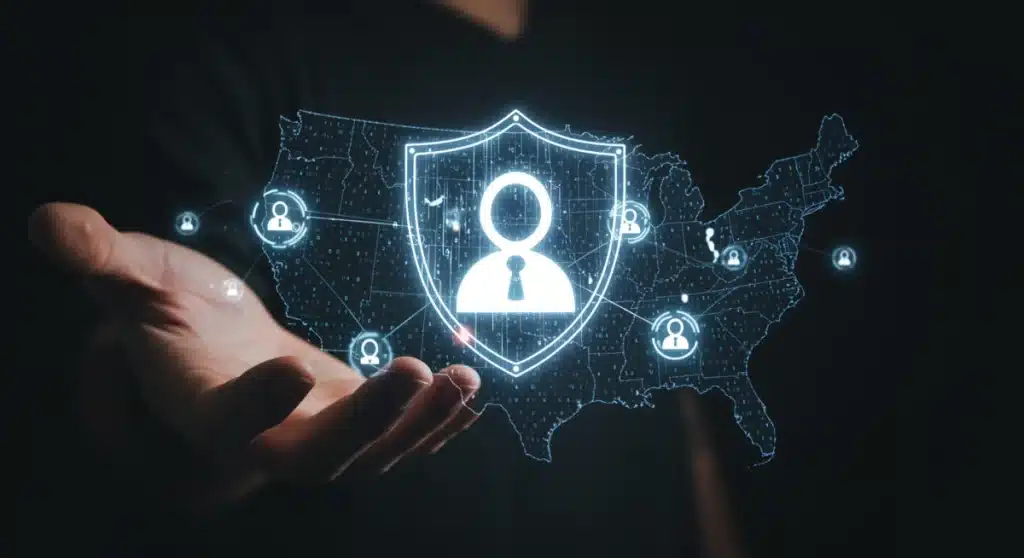
Soulbound Tokens (SBTs): Exploring 2026 Use Cases for Digital Identity and Reputation in the US (INSIDER KNOWLEDGE)
The digital landscape is undergoing a profound transformation, driven by advancements in blockchain technology and the burgeoning Web3 ecosystem. At the forefront of this evolution are Soulbound Tokens (SBTs), a revolutionary concept poised to redefine how we perceive and manage digital identity and reputation. As we peer into 2026, the United States stands on the cusp of significant adoption, with SBTs promising to unlock unprecedented levels of trust, verification, and personalized experiences across various sectors. This article delves deep into the anticipated use cases, challenges, and the transformative potential of Soulbound Tokens in the US, offering an insider’s perspective on what lies ahead.
The Dawn of Soulbound Tokens: A Paradigm Shift
Before exploring the specific applications, it’s crucial to understand the fundamental nature of Soulbound Tokens. Unlike traditional Non-Fungible Tokens (NFTs), which are transferable and can be traded, SBTs are non-transferable digital assets permanently tied to a specific wallet or ‘soul.’ This immutability and non-transferability are their defining characteristics, making them ideal for representing unique, verifiable attributes of an individual or entity. Think of them as digital credentials, achievements, or affiliations that cannot be bought, sold, or stolen, thereby fostering a more authentic and robust digital identity.
The concept, popularized by Ethereum co-founder Vitalik Buterin, envisions a ‘decentralized society’ (DeSoc) where SBTs serve as the building blocks for trust and reputation without relying on centralized intermediaries. In the US context, where digital trust and data privacy are increasingly critical concerns, SBTs offer a compelling alternative to current identity management systems, which are often fragmented, insecure, and prone to manipulation.
Key Use Cases for Soulbound Tokens in the US by 2026
By 2026, the adoption of Soulbound Tokens in the US is projected to expand significantly beyond theoretical discussions, permeating various industries and public services. Here are some of the most impactful anticipated use cases:
1. Academic Credentials and Professional Certifications
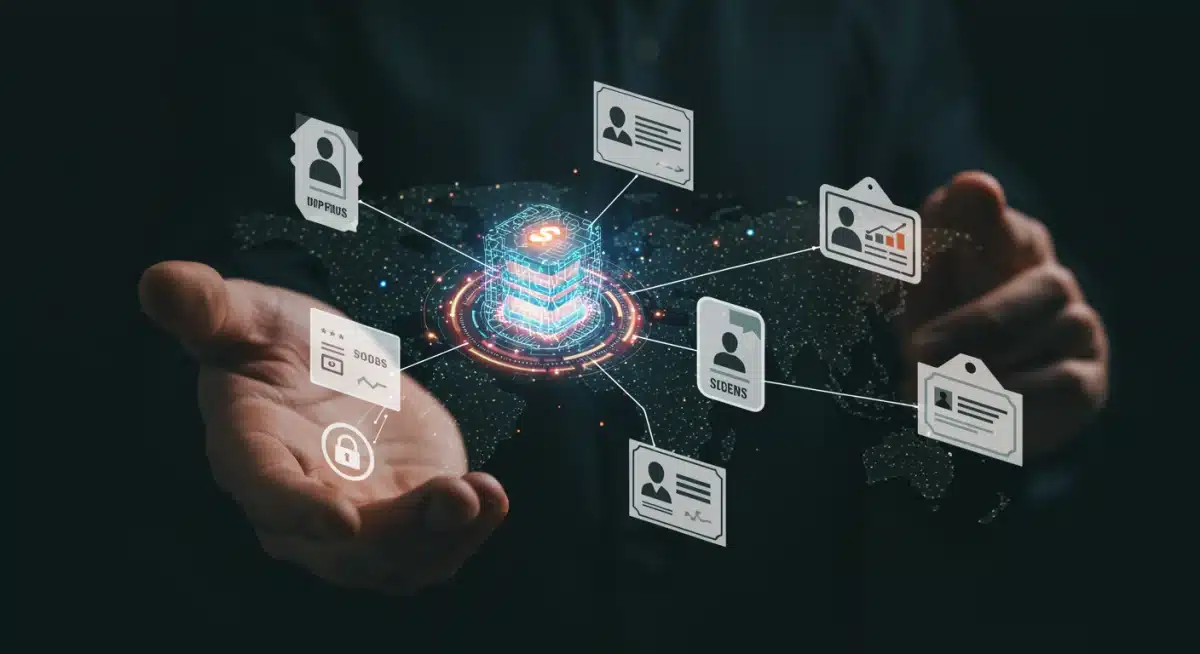
The current system for verifying academic degrees and professional certifications is often cumbersome and susceptible to fraud. SBTs offer a robust solution. Universities and certification bodies could issue degrees, diplomas, and professional licenses as Soulbound Tokens directly to graduates’ digital wallets. This would create an immutable and easily verifiable record of educational achievements and qualifications. Imagine a hiring manager instantly verifying a candidate’s MBA from a top university or a doctor’s medical license with a simple blockchain query, eliminating the need for lengthy background checks and physical documentation.
- Enhanced Trust: Eliminates diploma mills and fraudulent certifications.
- Streamlined Verification: Accelerates hiring processes and professional credentialing.
- Lifelong Learning Records: Creates a comprehensive, verifiable record of an individual’s skills and continuous learning over time.
2. Decentralized Credit and Lending Systems
In the traditional financial sector, credit scores are often centralized, opaque, and can be biased. SBTs could revolutionize this by enabling the creation of decentralized credit scores based on verifiable on-chain and off-chain activities. A ‘credit soul’ could accumulate SBTs representing loan repayment history, verifiable income, educational achievements (indicating earning potential), and even positive community contributions. This would allow for more equitable and transparent lending, particularly for individuals with thin credit files or those excluded from traditional banking systems.
- Financial Inclusion: Provides access to credit for underserved populations.
- Reduced Fraud: Verifiable repayment history reduces risk for lenders.
- Privacy-Preserving: Users control what information they share, only revealing necessary SBTs for a specific loan application.
3. Digital Identity and KYC (Know Your Customer)
The process of Know Your Customer (KYC) and Anti-Money Laundering (AML) compliance is a significant hurdle for many financial institutions and Web3 platforms. SBTs can streamline this by acting as verifiable proofs of identity. Government agencies or trusted third parties could issue SBTs confirming an individual’s age, nationality, or residency. This would allow users to prove their identity without repeatedly submitting sensitive personal documents, enhancing privacy and reducing the risk of data breaches. A user could present an ‘age-verified’ SBT to access age-restricted content or services without revealing their exact birthdate.
- Enhanced Privacy: Users share only necessary proofs, not raw data.
- Simplified Compliance: Reduces the burden of KYC/AML for businesses.
- Self-Sovereign Identity: Gives individuals greater control over their digital identity.
4. Healthcare Records and Medical History
Imagine a patient having a portable, verifiable record of their medical history, vaccinations, and prescriptions stored as SBTs. This would empower individuals with greater control over their health data, enable seamless transfer of records between healthcare providers, and improve emergency care. Hospitals, clinics, and pharmacies could issue SBTs for completed treatments, diagnoses, or medication prescriptions, creating a comprehensive and tamper-proof health ledger. This could be particularly impactful in the US, where healthcare data interoperability remains a significant challenge.
- Patient Empowerment: Individuals control their health data.
- Improved Interoperability: Seamless sharing of records between providers.
- Emergency Response: Critical medical information immediately accessible.
5. Governance and Decentralized Autonomous Organizations (DAOs)
SBTs have the potential to revolutionize governance within DAOs and even traditional democratic processes. By issuing SBTs representing participation, expertise, or verified identity, DAOs can move beyond simple token-weighted voting to more nuanced and meritocratic systems. For example, an SBT could denote active participation in a DAO’s development, granting greater voting power on technical proposals. In a broader sense, government-issued SBTs could be used for secure and verifiable digital voting, combating voter fraud and increasing participation.
- Enhanced DAO Governance: Moves beyond plutocracy to meritocracy.
- Secure Digital Voting: Increases trust and verifiability in elections.
- Community Reputation: Recognizes and rewards valuable contributions within a community.
6. Loyalty Programs and Community Building
Traditional loyalty programs often suffer from low engagement and limited personalization. SBTs can transform this by creating non-transferable badges or tokens that recognize customer loyalty, achievements within a brand’s ecosystem, or community contributions. For instance, a gaming company could issue an SBT for reaching a certain level or winning a championship, fostering a stronger sense of community and achievement. These SBTs could then unlock exclusive perks, discounts, or access to special events.
- Deeper Customer Engagement: Fosters loyalty and community pride.
- Personalized Rewards: Tailored benefits based on verifiable achievements.
- Anti-Fraud: Prevents the sale or transfer of loyalty points/rewards.
7. Employment History and Skill Verification
The job market in the US is highly competitive, and verifying employment history and skills is a critical but often inefficient process. Companies could issue SBTs to employees upon completion of roles, projects, or specific skill acquisition. These ‘work experience’ SBTs would provide immutable proof of employment, job titles, duration, and even verified skills endorsed by past employers. This would significantly streamline recruitment, reduce resume fraud, and empower individuals with a verifiable professional portfolio.
- Verifiable Employment: Eliminates resume inflation and fraud.
- Skill Badges: Provides concrete proof of acquired skills.
- Efficient Recruitment: Speeds up background checks and hiring.
Challenges and Considerations for SBT Adoption in the US by 2026
While the potential of Soulbound Tokens is immense, their widespread adoption in the US by 2026 faces several significant hurdles that need to be addressed:
1. Regulatory Clarity and Legal Frameworks
The regulatory landscape for blockchain technology and digital assets in the US is still evolving. For SBTs to achieve mainstream adoption, clear legal frameworks will be necessary to define their legal status, ownership, and implications for data privacy. Questions around data sovereignty, the right to be forgotten, and consumer protection will require careful consideration and robust legislation. The US government and various state bodies will need to collaborate to establish consistent and supportive regulations.
2. Technical Infrastructure and Interoperability
The successful implementation of SBTs requires a robust and interoperable blockchain infrastructure. While Ethereum is a leading contender, other chains and Layer 2 solutions will also play a role. Ensuring that SBTs issued on different chains can be recognized and verified across various platforms is crucial. Scalability, transaction costs, and user-friendly interfaces will also be key technical challenges to overcome.
3. Privacy Concerns and Data Management
The non-transferable nature of SBTs raises important privacy considerations. While users control what information they reveal, the permanent nature of these tokens means that any associated data is immutable. Designing systems that balance transparency with privacy, allowing for selective disclosure and potentially the revocation or masking of certain SBTs under specific circumstances (e.g., a criminal record being expunged), will be paramount. The US’s emphasis on data privacy and consumer rights will necessitate careful architectural choices.
4. User Education and Adoption Barriers
Introducing a new paradigm like SBTs requires significant user education. Many individuals are unfamiliar with blockchain technology, digital wallets, and the nuances of self-sovereign identity. Overcoming the initial learning curve, ensuring ease of use, and building trust in these new systems will be critical for widespread adoption. User-friendly interfaces, clear explanations, and compelling use cases will be essential to drive engagement.
5. Centralization Risks and Censorship Resistance
While SBTs are designed to be decentralized, the entities issuing them (universities, employers, governments) are often centralized. This raises questions about potential censorship, the ability of an issuer to revoke an SBT, or the concentration of power in a few issuing authorities. Ensuring that the underlying infrastructure and governance models promote decentralization and censorship resistance will be crucial to maintaining the integrity and trust in the SBT ecosystem.
The Road Ahead: Insider Perspectives on 2026
From an insider’s perspective, the next few years will be pivotal for Soulbound Tokens in the US. We anticipate a phased rollout, starting with niche applications in specific industries before broader adoption. Early adopters will likely be in the Web3 native space, DAOs, and certain educational institutions willing to experiment with innovative credentialing.
Government agencies, particularly those dealing with digital identity and public services, will closely monitor these developments. While a nationwide rollout of government-issued SBTs might be beyond the 2026 horizon, pilot programs and discussions around standardized digital identity frameworks are highly probable. The push for greater data privacy and cybersecurity will act as a significant catalyst for exploring SBT-based solutions.
The private sector, especially in finance, healthcare, and human resources, will also be a key driver. Companies are increasingly seeking ways to reduce fraud, streamline verification processes, and build stronger, more engaged communities. SBTs offer tangible solutions to these challenges, providing a competitive edge for early adopters.
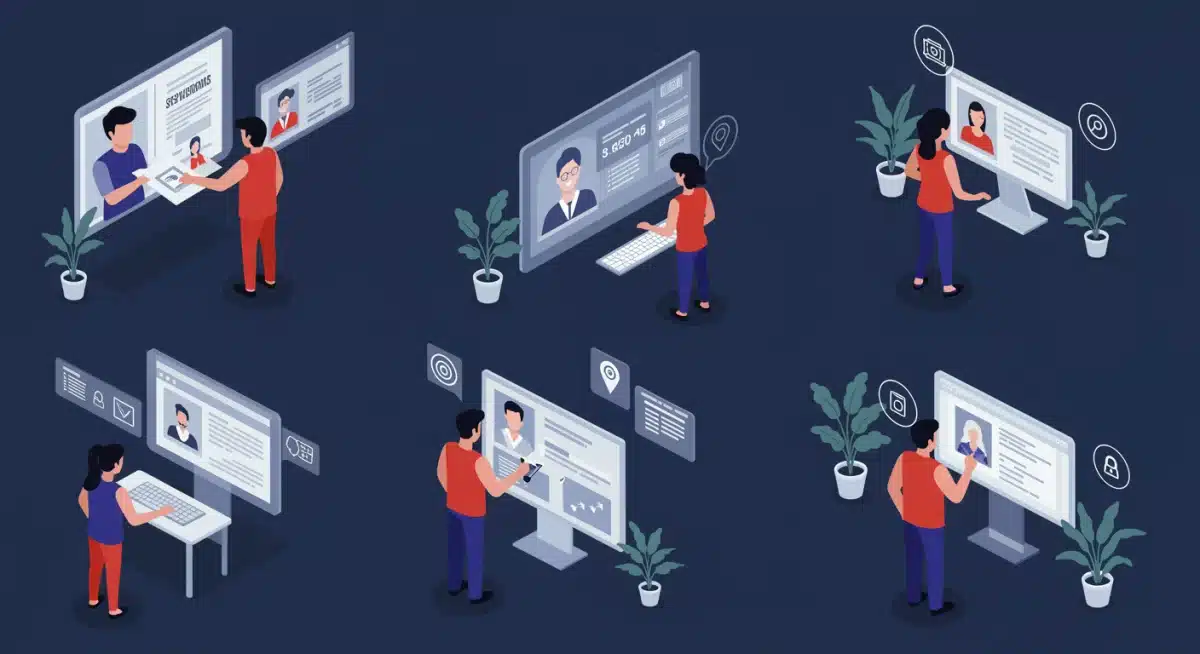
One critical area of focus will be the development of robust ‘soul’ wallets – secure digital containers for SBTs that offer intuitive user interfaces and strong privacy controls. These wallets will need to integrate seamlessly with existing digital ecosystems and provide clear mechanisms for users to manage their digital reputation and identity. The concept of ‘attestations’ – verifiable claims about an individual or entity – will also evolve, with SBTs acting as the immutable records of these attestations.
Moreover, the ethical implications of a permanent digital record of reputation will require ongoing societal dialogue. Questions about the right to obscurity, the potential for digital redlining, and the impact on social mobility will need to be addressed proactively. Developing inclusive and fair governance models for SBT issuance and management will be essential to prevent unintended negative consequences.
Conclusion: The Transformative Power of Soulbound Tokens US
By 2026, Soulbound Tokens are set to emerge as a foundational technology for digital identity and reputation in the United States. Their non-transferable nature provides a powerful mechanism for building trust, verifying credentials, and empowering individuals with greater control over their digital selves. From academic and professional certifications to decentralized finance, healthcare, and governance, the use cases are vast and transformative.
However, the journey to widespread adoption is not without its challenges. Regulatory clarity, robust technical infrastructure, privacy safeguards, and extensive user education will be crucial for realizing the full potential of SBTs. As these hurdles are addressed, we can anticipate a future where our digital identities are more secure, authentic, and truly reflective of our unique attributes and achievements. The era of Soulbound Tokens in the US promises a more transparent, trustworthy, and decentralized digital future.
The insights shared here represent a forward-looking perspective, informed by current trends and expert analysis in the blockchain and Web3 space. The evolution of Soulbound Tokens in the US will undoubtedly be a dynamic process, shaped by technological innovation, policy decisions, and societal acceptance. Staying informed and actively participating in this evolution will be key to harnessing its transformative power.